7 Natural Foods to Balance Women’s Hormones
Discover 7 natural foods to balance women’s hormones naturally. Learn benefits, usage tips, FAQs and expert-reviewed guidance.
Reviewed by Bibhu Ranjan Mund, MPH (Public Health Expert) with experience in maternal, infant, child, and adolescent health programs. Content is based on evidence-informed guidelines aligned with organizations such as the World Health Organization, UNICEF, Centers for Disease Control and Prevention, and National Institutes of Health.
Medical Disclaimer: This content is for informational and educational purposes only and is not intended as medical advice, diagnosis, or treatment. Always seek the advice of a qualified healthcare professional regarding any medical condition or concerns.
Introduction:
As per the report of World Health Organization (2023), it shows that hormonal conditions like PCOS may affect about 13% of women in reproductive age groups and millions of them may experiences the symptoms linked with stress, diet and other lifestyle problem.
The important part is that your daily eating may play a key role for this horonal balance.
Also as per the study of Harvard Health Publishing (2023), it shows that the diet may directly influence the metabolic and hormonal process i.e. your very simple food choices may support the functioning of the body.
In this article, you will find-out the 7 everyday Natural Foods to Balance Women’s Hormones which may also help to reduce common symptoms and overall well-being without any complicated daily routines.
Because, the smallest changes in your daily diet plate may create a biggest impact towards your hormonal health.
A well-structured balanced daily meal plan plays a key role in maintaining hormonal stability and overall metabolic health.
What foods help to support hormonal balance in women?
Foods rich in fiber, healthy fats and antioxidants, such as flaxseeds, vegetables, berries, and olive oil etc. may help to support the normal hormonal function and overall metabolic health.
Women’s Hormonal Health Overview
| Indicator | Global Insight | Source |
|---|---|---|
| Women affected by hormonal conditions such as PCOS worldwide | Estimated 6–13% of women of reproductive age | WHO Women’s Health Report 2023 |
| Global prevalence of anemia in women | Around 29% of women worldwide | WHO Women’s Health Report 2023 |
| Role of balanced diet in endocrine health | Healthy diets support overall metabolic and hormonal function | Harvard Health Publishing |
| Importance of micronutrients | Nutrients like zinc, magnesium, and healthy fats support normal physiological processes | NIH Women’s Health Report 2023 |
Estrogen, progesterone, insulin, cortisol and thyroid hormones are messengers in the body which helps to control the heart, provide energy & let us to fight against infections. Absence of these, people may feel sick such as cold or the flu etc. Important points as discussed below:
Why Hormonal Balance is Important for Women & its Consequences?
- Irregular periods
- When periods are not regular, they change in terms of how long they last, their flow or the time they happen each month. Menstrual cycle is about 21-35 days & the bleeding period ranges to 2-7 days. When menstrual cycles are not within the normal range or are changing regularly, they are known as irregular.
- Fatigue
- Often, when women say they are tired, it means that they lack continuous energy and focus and these issues can affect their daily routines. It may affects our body or feelings or mood.
- Weight gain
- The issue of weight gain in women is affected by things like biology, hormones, what they do daily and how they feel. Gaining a few kilogram naturally happens throughout life, but significant or unexpected weight gain sometimes means there may be a problem.
Common Factors Affecting Hormonal Balance
| Factor | Possible Influence |
|---|---|
| Chronic stress | May influence cortisol levels |
| Poor diet quality | May affect metabolic balance |
| Sleep disturbances | May influence hormonal regulation |
| Environmental toxins | May interfere with endocrine functions |
| Physical inactivity | May affect metabolic hormones |
Source: WHO Lifestyle and Health Report 2022
- Mood swings
- Mood swings in women from one emotional condition to another, such as unease, anger, sadness, anxiety and extreme happiness. Although it is normal to experience some changes in moods, when they occur frequently and/or when the severity of the mood is excessive it becomes harmful to the life of a person or individuals relations with other people.
- Acne
- When pores become blocked by oil, dead skin cells and bacteria, a woman may experience acne. Although most people believe that acne is only among teenagers, it can also affect women at an adult age.
- Hair loss
- Hair loss in women may happen because of changes in hormones, not getting enough nutrients in the diet or if there is a health problem. It often shows up as your hair getting thinner more than usual.
Fatigue and hair loss may also be linked to nutritional deficiencies, as explained in the impact of anaemia on overall health.
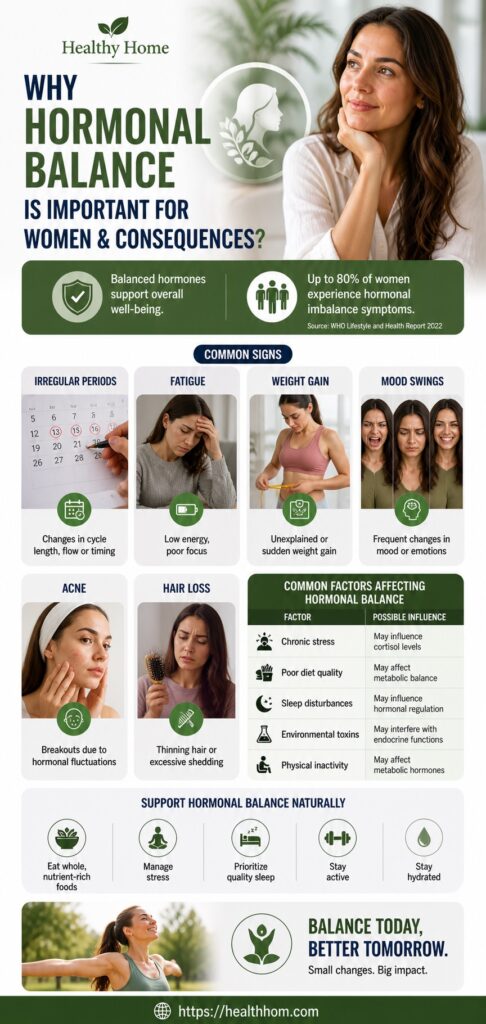
Eating the proper foods can help to steady your hormones and get things back in balance.
Mood swings are closely linked with diet, and understanding how food affects mental health can help improve emotional and hormonal balance.
Major Hormones in Women and Their Roles
| Hormone | Primary Function |
|---|---|
| Estrogen | Supports reproductive health and menstrual cycle regulation |
| Progesterone | Prepares the body for pregnancy and supports menstrual cycle |
| Insulin | Regulates blood glucose metabolism |
| Cortisol | Helps manage stress responses |
| Thyroid hormones | Influence metabolism and energy balance |
NIH Endocrine System Overview 2022
Natural Foods and Their Key Nutrients
| Food | Key Nutrients | General Nutritional Role |
|---|---|---|
| Flaxseeds | Fiber, lignans | Plant compounds and dietary fiber |
| Cruciferous vegetables | Vitamin C, fiber | Nutrient-dense vegetables |
| Avocado | Healthy fats, potassium | Supports balanced dietary fat intake |
| Sweet potatoes | Beta-carotene, fiber | Complex carbohydrate source |
| Pumpkin seeds | Zinc, magnesium | Mineral-rich seeds |
| Extra virgin olive oil | Monounsaturated fats | Healthy cooking fat |
| Berries | Antioxidants, vitamin C | Fruit rich in phytochemicals |
Source: USDA FoodData Central 2023
7 Natural Foods to balance women’s hormones :
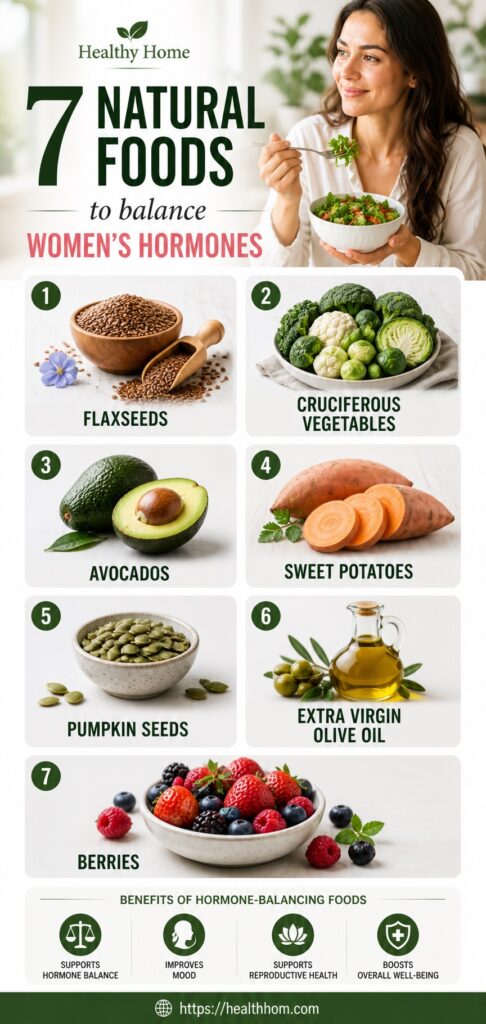
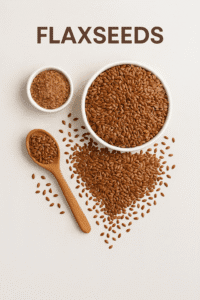
1. Flaxseeds:
- Lignans that is a compound found in Flax-seeds can help to balance estrogen in the human body correctly.
- As lignans is able to regulate estrogen & fiber can help to clean the gut, they both support the removal of excess estrogen. Flaxseeds in powder form can be mixed with oat-meal, yogurt or adding them in smoothies.
- How to use: Add about 1 or 2 tablespoons of ground flaxseeds to smoothies, yogurt or oatmeal.
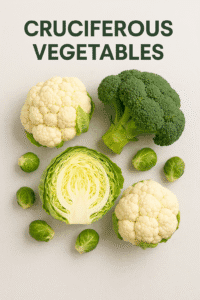
2. Cruciferous Vegetables:
- Different types of cruciferous vegetable like Broccoli, kale & Brussels sprouts have a chemical called indole-3-carbinol, which are actually help the liver to get rid of some of the hormones present in our body that doesn’t need.
- By eating light & steamed greens, be able to keep the good stuff in them.
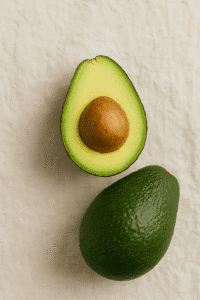
3. Avocados:
- It has healthy fats with fiber which may aid in preparing of hormone and able to help the body to use insulin better. By taking avocados, that helps for supplying monounsaturated fats, potassium, fiber in our body which also aid in the production with normal function of hormones & adrenals.
- Avocados provide healthy fats that may support normal hormone function. Lowering the quantity of cortisol is the main objective of avocado.
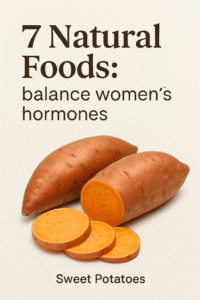
4. Sweet Potatoes:
- Sweet potato has many types of complex carbohydrates along with beta-carotene, fiber & magnesium. Vitamin-A may helps to maintain progesterone, which in turn helps balance estrogen.
- It helps to control & regulate the blood glucose levels by reducing the waves of certain hormones.
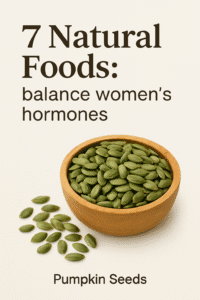
5. Pumpkin Seeds:
- These small & tiny seeds are rich in zinc with magnesium & both of these nutrients are important for making hormones & taking care of our nerves.
- Zinc may support the body to make testosterone & progesterone. So also, magnesium is able to lower how much women experience cramps, stress etc.
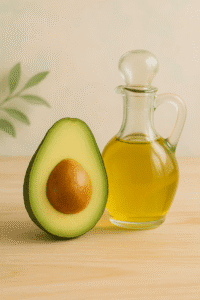
6. Extra Virgin Olive Oil:
- This type of Mediterranean staple is filled with ingredients which is capable to reduce inflammation & contain good fats, which helps to keep our hormones balanced. It may support the working of cells inside human.
- It provides support for functioning of thyroid, making our body react better to insulin & helps to lower inflammation which can mess with our hormones. It is perfect for making salad, pouring it on our veggies etc.
Including anti-inflammatory foods in your diet can help reduce hormonal imbalances caused by chronic inflammation.
7. Berries:
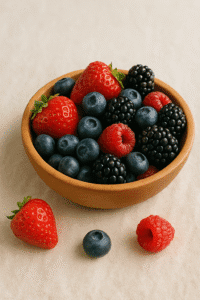
- Many berries viz. Blueberries, strawberries & raspberries have high levels of antioxidants including anti-inflammatory benefits which can keep oxidative stress & in-turn helps to prevent hormonal imbalance.
- Consuming berries is able to help the management of insulin & keep the hormonal balance in-check. The antioxidants found in green leafy vegetables also help to prevent stress and harm to the ovaries and thyroid.
Nutrient Contribution of the Featured Foods
| Nutrient | Food Sources in Article |
|---|---|
| Fiber | Flaxseeds, sweet potatoes |
| Healthy fats | Avocados, olive oil |
| Zinc | Pumpkin seeds |
| Antioxidants | Berries |
| Phytochemicals | Cruciferous vegetables |
Source: NIH Office of Dietary Supplements 2023
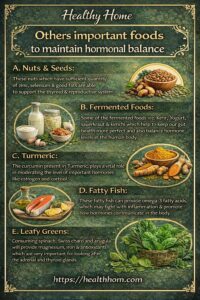
Others important foods to maintain hormonal balance
A. Nuts & Seeds :
These nuts which have sufficient quantity of zinc, selenium & good fats are able to support the thyroid & reproductive system.
B. Fermented Foods :
Some of the fermented foods viz. Kefir, Yogurt, sauerkraut & kimchi which help to keep our gut health more perfect and also balance hormone levels in the human body.
You can also explore foods that heal your gut naturally to further strengthen hormone regulation and reduce inflammation
C. Turmeric :
The curcumin present in Turmeric, plays a vital role in moderating the level of important hormones like estrogen and cortisol.
D. Fatty Fish :
These fatty fish can provide omega-3 fatty acids, which may fight with inflammation & promote how hormones communicate in the body.
E. Leafy Greens :
Consuming spinach, Swiss chard and arugula will provide magnesium, iron & antioxidants which are very important for looking after the adrenal and thyroid glands.
Regular intake of fermented foods for gut health helps to improve digestion and supports hormonal balance through the gut–hormone connection.
Foods That Complement Hormone-Friendly Diet
| Food Group | Examples |
|---|---|
| Nuts and seeds | Almonds, walnuts |
| Fermented foods | Yogurt, kefir |
| Fatty fish | Salmon, sardines |
| Leafy greens | Spinach, kale |
| Spices | Turmeric |
Source: Harvard Nutrition Source 2022
Additional Recommendations to Boost Hormone
Lifestyle Factors Supporting Hormonal Health
| Lifestyle Habit | Why It Matters |
|---|---|
| Balanced nutrition | Supports normal metabolic processes |
| Regular physical activity | Supports overall health |
| Adequate sleep | Important for endocrine regulation |
| Stress management | Helps maintain hormonal balance |
| Hydration | Supports physiological functions |
Source: WHO Healthy Lifestyle Guidelines 2022
In some cases, anti-aging supplements may support nutritional gaps that affect hormone balance.
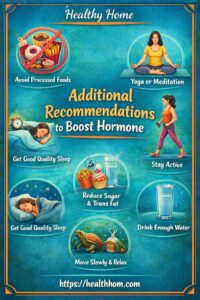
- We should avoid foods which contain processed sugar & refined carbs.
- Regular practice of Yoga or meditation help to handle stress a lot.
- Keep our movements slow & relaxed many times, as these help to calm our cortisol
- We must have 7 to 9 hours of good quality sleep
- Always to stay active with moderate exercise
- Lowering the intake of processed sugar & trans fats, because they are having an influence on your insulin and estrogen levels
- Sufficient quantity of water may be taken to get profit for elimination of toxins & carry hormones throughout the body
Comparison : Whole Foods vs Processed Foods
| Feature | Whole Natural Foods | Highly Processed Foods |
|---|---|---|
| Nutrient density | Generally higher | Often lower |
| Fiber content | Higher | Often lower |
| Added sugars | Usually minimal | Often high |
| Processing level | Minimal | Extensive |
Source: Harvard T.H. Chan School of Public Health 2021
Example Daily Hormone-Supportive Meal Pattern
| Meal | Example Food Choices |
|---|---|
| Breakfast | Oats with berries and flaxseeds |
| Lunch | Vegetable salad with olive oil dressing |
| Snack | Nuts or pumpkin seeds |
| Dinner | Sweet potatoes with leafy vegetables |
| Optional | Yogurt or fermented foods |
Source: Harvard Healthy Eating Plate 2021
Hormonal health is influenced by nutrition across life stages, starting from infancy to adulthood.
Key message
Hormonal health don’t say to be perfect, but it’s only a key factor of consistency.
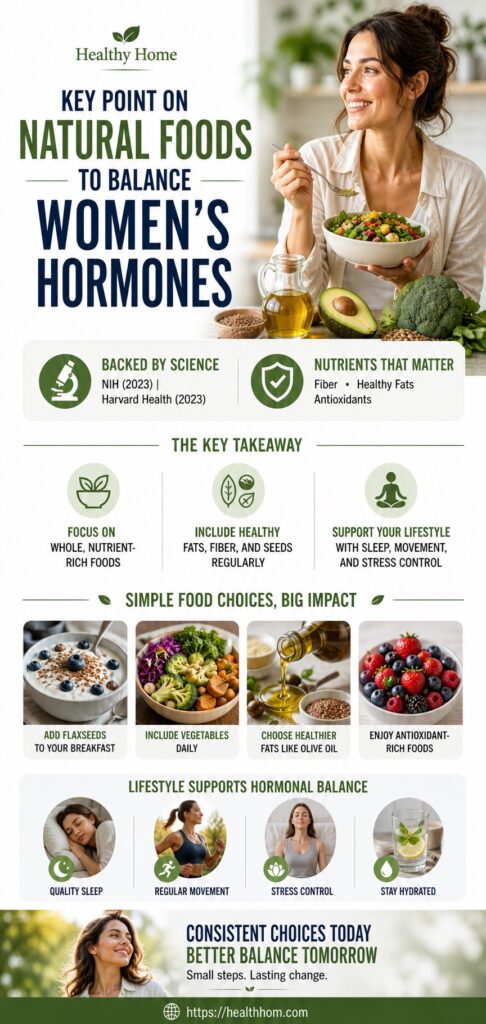
As per the research from the National Institute of Health (2023) and Harvard Health (2023), they suggests that the few nutrients like fiber, healthy fats and antioxidants may play a key role in supporting the normal hormonal function.
The key takeaway is as follows:
- Focus on whole, nutrient-rich foods
- Include healthy fats, fiber, and seeds regularly
- Support your lifestyle with sleep, movement and stress control
You are not supposed to purchase any costly supplements or diets for this. Just you have start a small addition like flaxseeds to your breakfast, taking vegetables daily, including olive oil etc.
Subsequently, these small and consistent choices may support a better balance, energy and well-being.
We can initiate to identify 7 natural foods as discussed above & ensure to consume regularly.
Key Nutrients for Women
| Nutrient | General Role | Example Food Sources |
|---|---|---|
| Zinc | Supports immune and metabolic functions | Pumpkin seeds |
| Magnesium | Supports nerve and muscle function | Nuts, seeds |
| Omega-3 fats | Supports cell membrane function | Fatty fish |
| Fiber | Supports digestive health | Whole foods |
| Antioxidants | Protect cells from oxidative stress | Fruits and vegetables |
Source: NIH Office of Dietary Supplements 2023
FAQs
Q1. What are the ways to identify a hormonal imbalance in women?
Q2. Is balancing hormones by eating 7 natural foods alone enough?
Q3. How quickly will eating natural foods have an effect on hormone balance?
Q4. Can I take this food during pregnancy or while breastfeeding?
Q5. Are there benefits for teenagers or women who are in perimenopause?
Q6. Are there foods I should avoid as hormone balance is concerned?
Q7. Can men also add these food to enhance hormone balance?
Related Health Articles from Healthy Home:
- Top 5 Anti-Aging Supplements – Healthy Home – Trusted Health Tips for Kids, Teens & Families (healthhom.com)
- 8 Best Fermented Food for Gut Health in Adolescents – Healthy Home – Trusted Health Tips for Kids, Teens & Families (healthhom.com)
- Iron Supplementation – Best Benefits – Healthy Home – Trusted Health Tips for Kids, Teens & Families (healthhom.com)
- Autumn habits: Strengthening our immune system – Healthy Home – Trusted Health Tips for Kids, Teens & Families (healthhom.com)
- Supplementary feeding for infants After 6 Months (healthhom.com)
Trusted References and Research Sources:High Protein Indian Diet Plan: 7-Day Family Meal Plan with Affordable Protein FoodsHealthy Nutrition Guide for Families : Balanced Diet, Gut Health and Weekly Meal PlanHealthy Living Guide for Families : Nutrition, Sleep and Daily Wellness Habits11 Iron Rich Foods During Pregnancy : Benefits and Healthy Meal IdeasWhat is a balanced daily meal plan? Nutrition Guide and 7-Day Diet Plan
- Polycystic ovary syndrome (who.int)
- How To Balance Your Hormones Naturally (healthline.com)
- 5 Impressive Herbs That Help Balance your Hormones (healthline.com)
- Obesity, Dietary Patterns, and Hormonal Balance Modulation: Gender-Specific Impacts – PMC (nih.gov)
- Normative range of various serum hormonal parameters among Indian women of reproductive age: ICMR-PCOS task force study outcome – The Lancet Regional Health – Southeast Asia