14 Anti Inflammatory Foods : Benefits and Healthy Meal Ideas
Discover 14 scientifically backed anti inflammatory foods that support heart, gut & joint health. Simple daily diet tips included.
Reviewed by Bibhu Ranjan Mund, MPH (Public Health Expert) with experience in maternal, infant, child, and adolescent health programs. Content is based on evidence-informed guidelines aligned with organizations such as the World Health Organization, UNICEF, Centers for Disease Control and Prevention, and National Institutes of Health.
Medical Disclaimer: This content is for informational and educational purposes only and is not intended as medical advice, diagnosis, or treatment. Always seek the advice of a qualified healthcare professional regarding any medical condition or concerns.
Introduction:
Chronic inflammation is linked to some conditions like type-2 diabetes, arthritis and obesity. In some case medication may be required, also research suggests that everyday dietary choices can influence the inflammatory process in the body. In India’s traditional kitchen, many anti-inflammatory foods are already available.
According to the World Health Organization (2023), non-communicable diseases may account for approximately 41 million deaths annually worldwide. Chronic inflammation may be one of several biological processes associated with many of these conditions.
Many people are unaware that low grade inflammation may develop silently for years before nay symptoms appear.
The main hidden signal of inflammation your body is giving when you feel tired, bloated of joint discomfort. The solution may be simple and non-expensive supplements or complicated treatment. Some of the easy and powerful anti-inflammatory remedies are readily available in your kitchen.
In this article, you will find-out 14 types of science-backed anti-inflammatory foods which may help to support your gut health, heart, joints and overall wellness naturally.
Chronic inflammation can also affect mood, learn more in our guide on how food affects mental health and emotional well-being.
Why I Started Paying More Attention to Inflammation?
As a public health professional, I have in touch with many adults who feel constantly tired, body aches, digestive issues. They think that such symptoms are just a part of their busy lifestyle or due to aging.
After medical diagnosis, they may not have any major disease. But their daily food habits are packaged snacks, sugary drinks and only few fruits or vegetables.
Soon they are starting with daily small dietary changes like taking vegetables, limiting the sugary beverages, eating whole foods, their complaints reduces and feel more energetic within a few weeks.
Food is not a cure for all, but consistent dietary habits can play an important role in maintaining the long-term health.
What These Statistics Really Mean?
41 million annual deaths linked to chronic diseases may feel overwhelming.
But, such figure don’t mean that inflammation alone is the cause of all deaths. Chronic inflammation may be one of the underlying process linked with many condition like heart disease, diabetes, obesity etc.
From a public health perspective, it shows the importance of preventive lifestyle habits like healthy eating which may help to maintain long term health.
For a complete nutrition strategy, follow our balanced daily meal plan guide to build a sustainable anti-inflammatory diet.
Key Nutrients Found in Anti-Inflammatory Foods
| Nutrient | Food Sources | Nutritional Role | Source | Year |
|---|---|---|---|---|
| Omega-3 fatty acids | Fatty fish, flaxseed | Supports normal immune processes | Harvard School of Public Health | 2023 |
| Polyphenols | Berries, olive oil, tea | Antioxidant activity | Journal of Nutrition | 2022 |
| Dietary Fiber | Whole grains, apples | Supports gut microbiome | FAO Nutrition Report | 2021 |
| Vitamin C | Citrus fruits, vegetables | Supports immune system | NIH Office of Dietary Supplements | 2023 |
| Flavonoids | Dark chocolate, berries | Plant antioxidants | USDA Nutrition Data | 2022 |
To further support gut balance and reduce inflammation, explore our guide on fermented foods for gut health in adolescents.
Why This Matters for Indian Families?
One can easily get the list of anti-inflammatory food from online but some are more expensive. Indian kitchens have already many types of important anti inflammatory foods.
In Indian kitchens from generations to generations, the use of turmeric, ginger, garlic, onions, green leafy vegetables, lentils, seasonal fruits and millets have been a part in diet schedule.
For most of the families, improvement in health may not require any expensive foods and just a small changes of including the above traditional foods may have big impact.
14 best Anti Inflammatory Foods:
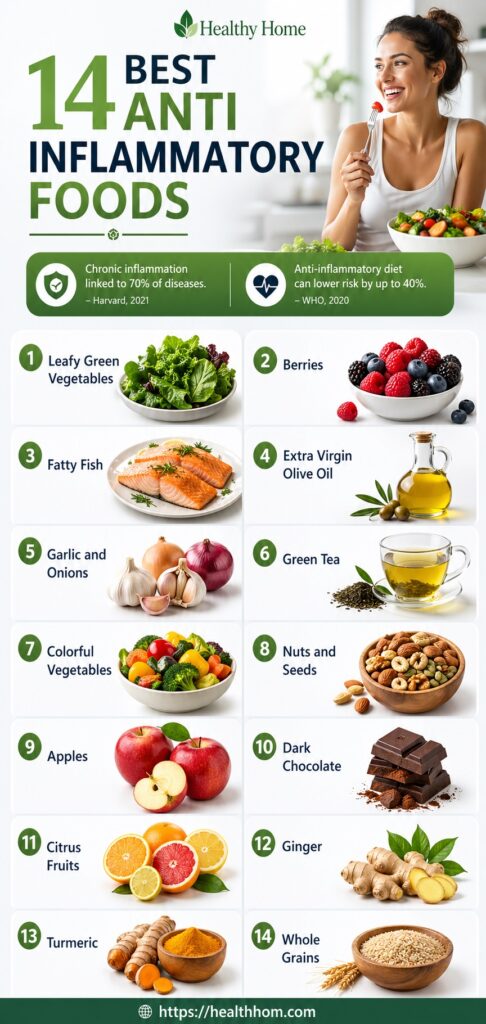
1. Leafy Green Vegetables:
Examples: Dark colored vegetables like arugula, Spinach, mustard greens, collards green leaves etc. They are good in the salads, soups, smoothies and others.
Dark leafy vegetables are full of anti-oxidants, polyphenols, vitamin A, C & K and minerals such as magnesium. These are nutrients that actually fight against stress & inflammation. The fiber contained by these greens promotes healthy microbiome in the gut which supports the immune system.
Lifestyle habits also play a key role, explore science-backed daily habits to reduce anxiety naturally.
How to take on daily basis:
- Add spinach in your smoothie.
- Cook certain amount of green vegetables in olive oil and garlic as a complimentary dish.
- To make your salad base have pepper based flavor, add some little arugula to it.
- Locally available and seasonal vegetables to be focused.

2. Berries:
Examples include: Blueberries, raspberries, strawberries and blackberries.
Berries are concentrated in anthocyanins-super plant coloring materials, making them the beautiful bright fruits with anti-inflammatory effects. These are substances that can decrease the level of free radicals and restrain inflammatory substances such as CRP (C-reactive protein).
How to take berries
- Using of berries in our oatmeal or may be in yogurt.
- During breakfast, we may use smoothie in the morning.
- It can also be used during snack time along-with some almonds.
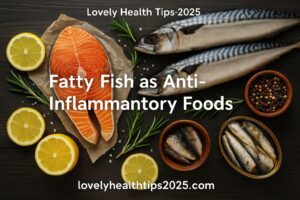
3. Fatty Fish:
Salmon, mackerel, sardines, trout etc. are the examples of fatty fish.
Their main constituent, i.e., omega-3 fatty acids (EPA and DHA), reduce inflammation by interrupting pro-inflammatory substances (leukotriene and cytokines) released into the body.
The following are few ways through which we can consume these omega-3 daily:
- We may take the grilled & baked salmon : twice weekly
- Keep in canned sardines : salads or may be in the crackers.
- Omega 3-enriched in eggs, which we do not get from fish.
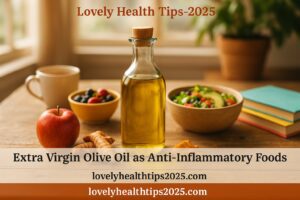
4. Extra Virgin Olive Oil:
Oleocanthal in extra virgin olive oil has been studied for its natural anti-inflammatory properties.
One of the ways of incorporating the olive oil into your life on a daily basis is
- It may be used as the most primary oil during our cooking of meals
- Drizzle on the green colour salad
- Roasted vegetables or soup
- Combine it with some herbs to create a dip.
5. Garlic and Onions:
Both garlic and onions have similar compounds like sulfur, flavonoid and other elements, which help in decreasing inflammation and enhancing the immune system. Allicin and quercetin which are present in garlic and onions respectively are highly potent antioxidants.
In order to receive these benefits
- Stir-fries, soups and sauces should include chopped garlic and onions.
- Roasting Whole cloves, spread on olive oil will also give a mild sweet flavor.
- It can be used in fresh salads.
Save this list for your next grocery purchase.
6. Green Tea:
Green tea does not only calm. It contains large amounts of epigallocatechin-3-gallate (EGCG) which is a powerful antioxidant that preserves inflammatory processes in the body.
How to consume on day-to-day basis
- Consume 1 up to 2 cups each day
- As a foundation of smoothies, you can use green tea.
- To drink something cool, boil some iced green tea.
- Lemon may be added in Green tea for taste
7. Colorful Vegetables:
There are numerous benefits in colored vegetables include carrots, beets, sweet potatoes, and bell pepper. Other nutrients like Phyto nutrition- including beta-carotene, lutein and zeaxanthin are abundant in them and neutralize free radicals that cause inflammation. They also contain a lot of fiber hence maintain the healthy gut.
To make your food look any more colorful, do the following
- Different types of vegetables may be boiled using the olive oil & herbs.
- Grate the carrots and beets in the salads.
- For delicious appetizing side dish, sweet potato to be used as cooking curry or mashed sweet potato can be taken.
Maintaining gut hygiene is equally important, read how to minimize the risk of worm infestation for better digestion.
8. Nuts and Seeds:
Such types includes : Almonds, walnuts, flaxseeds & chia seeds etc.
These nutritional nuggets (nuts and seeds) provide you with healthy fat, plant protein, magnesium and antioxidants. A very good source of omega-3 is flaxseeds and walnuts, which is plant-derived alpha-linolenic acid (ALA).
What to incorporate on the daily basis:
- Take a spoon of chia in the morning along-with yogurt or smoothie.
- Raw nuts: is a better choice
- Take nut butters (almond or walnut) on whole-grain toast.
9. Apples:
An apple a day may keep the doctor away. Apples have quercetin which is a natural, anti-inflammatory, antihistamine flavonoid. Apples are also beneficial to the health of the gut since they contain a lot of fiber, particularly pectin.
Eating an apple a day is not really a difficult part:
- An apple as snack
- Cut a piece of an apple in oats
- Make a flavorful dessert by baking an apple together with cinnamon.
- Eat daily consistently
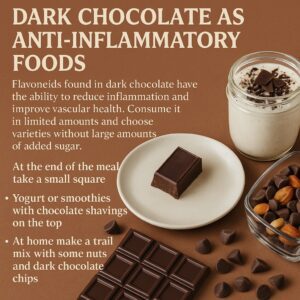
10. Dark Chocolate:
Flavonoids found in dark chocolate have the ability to reduce inflammation and the condition of vascular health. One should consume it in limited quantities and select the ones that do not contain large quantities of added sugar.
- At the end of the meal take a piece of a small square.
- Chocolate having Yogurt or smoothies may be shavings on the top.
- At home make a trail mix of some nuts and dark chocolate chips.
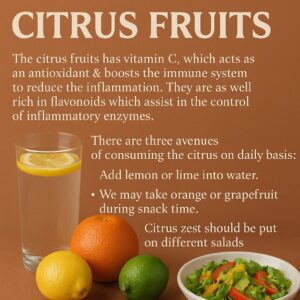
11. Citrus Fruits:
The citrus fruits has vitamin-C, which acts as an antioxidant & boosts the immune system to reduce the inflammation. They are as well rich in flavonoids which assist in the control of inflammatory enzymes.
There are three avenues of consuming the citrus on a daily basis:
- Add lemon or lime into the water.
- We may take orange or grapefruit during snack time.
- Citrus zest can be put on different salads.
- It is also helps to increase the iron absorption
12. Ginger:
Ginger contains gingerol that is an anti-inflammatory and an antioxidant. It can help in alleviating the pain in the joints, soreness of muscles as well as inflammation of the digestive system.
Ginger may be used in our day-to-day life as mentioned below:
- Prepare Honey and lemon fresh ginger tea.
- Fresh ginger may be grated into soups, stews or stir fry dishes.
- Powdered type ginger can be used in the smoothies or bakery.

13. Turmeric:
Curcumin is the main ingredient contained in turmeric. One of the well-researched natural anti-inflammatories is Curcumin. It acts on the cellular component to combat the inflammation and is thus effective on joint and autoimmune diseases.
Adding curcumin to daily routine can be performed in several ways.
- Put it in curries, lentil soups or in golden milk
- Mix with black pepper that enhances the uptake of curcumin
Note on Supplements : Use it as a supplement with the consultation with your doctor.
A Simple Example from Daily Life:
During my community awareness sessions in Odisha, a mother shared that her family members are taking packaged snacks and sugary beverages due to busy work schedule.
She gradually motivated her family members and started to take homemade vegetable snacks, seasonal and locally available fruits, turmeric based lentil soups.
After such changes of few months, the families felt a difference and reduced the processed foods.
This is not scientifically proven, but it shows that even small dietary changes may sustain the healthy life in long term.
14. Whole Grains:
Examples: Quinoa, brown rice, oats, barley Whole grains provide us with fibers, B vitamins and minerals. These nutrients will lower the levels of inflammation and control blood sugar levels. The opposite can be achieved by refined grains.
The methods of including them to everyday eating:
- Eat oatmeal or multi grain porridge at the beginning of the day.
- Grain bowls made of brown rice or quinoa may be taken
- Instead of using plain flour use whole wheat or millet.
Millets are excellent anti-inflammatory grains, learn more in our guide on what is millet and its health benefits.
Example Daily Food Diversity Pattern
| Meal Time | Example Foods | Food Category |
|---|---|---|
| Breakfast | Oats with berries and nuts | Whole grains + fruit |
| Lunch | Quinoa salad with vegetables | Whole grains + vegetables |
| Snack | Apple with almonds | Fruit + nuts |
| Dinner | Lentils with turmeric and vegetables | Plant protein + spices |
Source : Mediterranean Diet Foundation, 2022.
A Public Health Perspective:
My observation from the community awareness sessions that people are already aware about the natural fruits and vegetables which are readily available in their surroundings, but overlook these and any how packaged foods are entering into their life unknowingly.
Chips packs, sugary tea several times a day, sweet beverages may be harmless for any individual. But gradually it may associated with the weight gain or poor metabolic health.
Our goal is only to adopt a healthier choice.
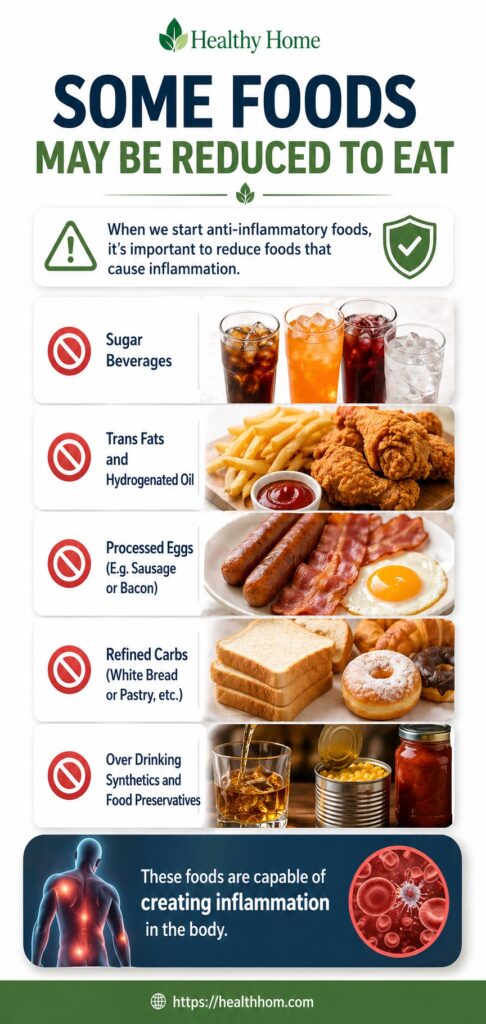
Some foods may be reduced to eat:
When we have started to take the anti-inflammatory foods, we should reduce the foods which lead to inflammation. Following are the some suggestions to avoid such foods:
- Sugar beverages
- Trans fats and hydrogenated oil
- Processed Eggs (E.g. Sausage or bacon)
- Refined carbs (white bread or pastry and so on)
- Over drinking Synthetics and food preservatives
- Regular consumption of these foods may contribute to inflammatory processes over time.
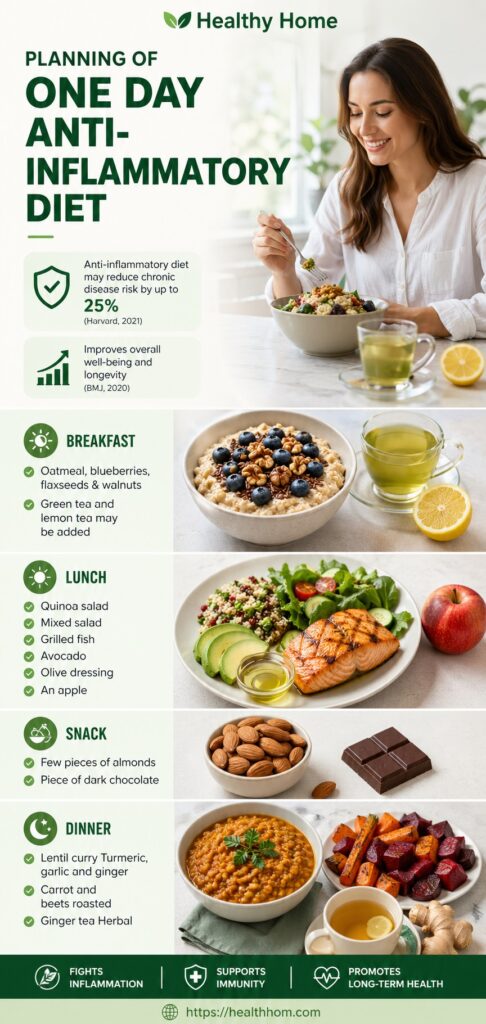
Planning of One Day Anti-inflammatory Diet:
Breakfast-
- Oatmeal, blueberries, flaxseeds & walnuts etc.
- Green tea and lemon tea may be added
Lunch-
- Quinoa salad Mixed salad, grilled fish, Avocado, olive dressing
- An apple
Snack-
- Few pieces of almonds
- Piece of dark chocolate
Dinner-
- Lentil curry Turmeric, garlic and ginger
- Carrot and beets roasted
- Ginger tea Herbal
Proper hydration supports detoxification—follow our hydration routine by climate and activity guide.
What Anti-Inflammatory Eating Looks Like in an Indian Household:
An anti-inflammatory Indian meal may not any expensive food:
For example:
- Breakfast: Vegetable poha with peanuts
- Lunch: Dal, green vegetables, brown rice or millet roti
- Evening Snack: Seasonal fruit and roasted chana
- Dinner: Mixed vegetable curry with whole grains
Many Indian families already eat such types of foods. The most improvement may comes from reducing the ultra processed snacks rather than purchasing any special health foods.
7 Practical Ways to Eat More Anti-Inflammatory Foods Without Overhauling Your Diet:
- Add one extra vegetable to lunch every day.
- Replace one sugary drink with water or green tea.
- Keep roasted nuts available for quick snacks.
- Add turmeric and black pepper to lentils.
- Include fruit with breakfast instead of dessert after meals.
- Use seasonal produce to save money.
- Aim for food variety rather than perfection.
Quick Comparison: 14 Anti-Inflammatory Foods
| Food | Key Nutrient | Typical Use |
|---|---|---|
| Leafy greens | Vitamins A, C, K | Salads, smoothies |
| Berries | Anthocyanins | Breakfast, snacks |
| Fatty fish | Omega-3 | Grilled or baked dishes |
| Olive oil | Monounsaturated fats | Cooking, salad dressing |
| Garlic & onions | Sulfur compounds | Flavoring foods |
| Green tea | Polyphenols | Beverage |
| Colorful vegetables | Beta-carotene | Side dishes |
| Nuts & seeds | Healthy fats | Snacks |
| Apples | Pectin fiber | Fresh fruit |
| Dark chocolate | Flavonoids | Dessert |
| Citrus fruits | Vitamin C | Juices or snacks |
| Ginger | Gingerol | Tea, cooking |
| Turmeric | Curcumin | Spices |
| Whole grains | Fiber | Staple grains |
Source: Harvard Health Publishing, 2023
Quality sleep is essential for reducing inflammation, try our 7-day plan to sleep like a baby.
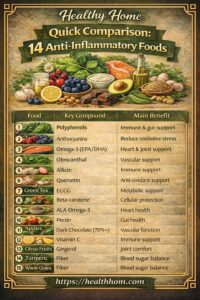
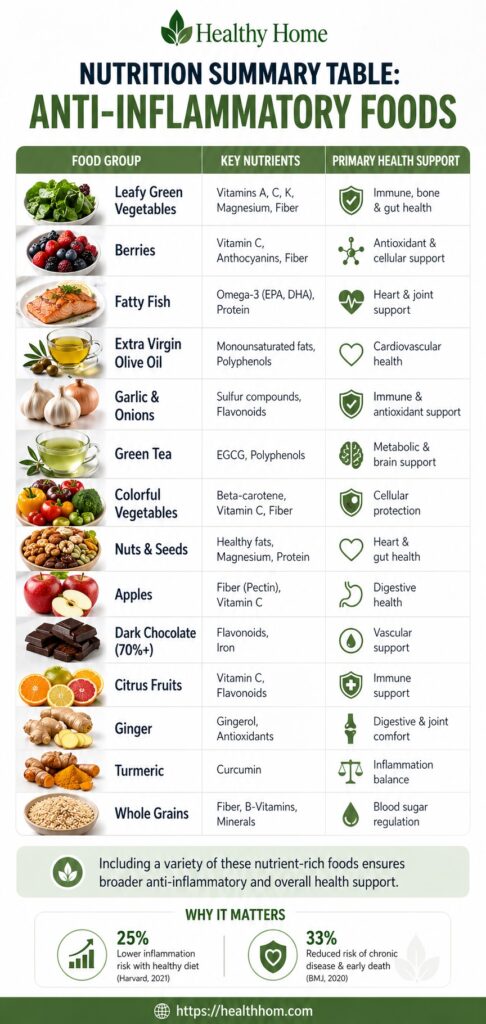
Nutrition Summary Table: Anti-Inflammatory Foods
| Food Group | Key Nutrients | Primary Health Support |
|---|---|---|
| Leafy Green Vegetables | Vitamins A, C, K, Magnesium, Fiber | Immune, bone & gut health |
| Berries | Vitamin C, Anthocyanins, Fiber | Antioxidant & cellular support |
| Fatty Fish | Omega-3 (EPA, DHA), Protein | Heart & joint support |
| Extra Virgin Olive Oil | Monounsaturated fats, Polyphenols | Cardiovascular health |
| Garlic & Onions | Sulfur compounds, Flavonoids | Immune & antioxidant support |
| Green Tea | EGCG, Polyphenols | Metabolic & brain support |
| Colorful Vegetables | Beta-carotene, Vitamin C, Fiber | Cellular protection |
| Nuts & Seeds | Healthy fats, Magnesium, Protein | Heart & gut health |
| Apples | Fiber (Pectin), Vitamin C | Digestive health |
| Dark Chocolate (70%+) | Flavonoids, Iron | Vascular support |
| Citrus Fruits | Vitamin C, Flavonoids | Immune support |
| Ginger | Gingerol, Antioxidants | Digestive & joint comfort |
| Turmeric | Curcumin | Inflammation balance |
| Whole Grains | Fiber, B-Vitamins, Minerals | Blood sugar regulation |
Including a variety of these nutrient-rich foods ensures broader anti-inflammatory and overall health support.
Who Should Take an Anti-Inflammatory Diet?
- Adults with sedentary lifestyle
- People with high stress
- Those focusing on preventive wellness
- Families improving nutrition
Spending time outdoors can naturally reduce inflammation, read our outdoor wellness benefits for overall health guide.
Healthy eating habits should start early, refer to our complete child health and development guide.
What Happened When I Reviewed My Own Diet?
I also occasionally concerns about my own habits.
I have observed that during any busy working day, I used to take only fewer vegetables and more convenience foods. Then, I actually planned my meals in advance and now keeping fruits in my bag readily available.
Such experience has given me a lesson that knowledge is not enough, but to utilize it consistently is important.
Concluded remarks: Food as follow up medicine
Chronic inflammation occurs silently inside the body, but its impact not so.
But the good thing is that, some research consistently show that simple daily dietary choices may play a key role in supporting the long-term health
You shouldn’t think that your life can be changed overnight. For this you have to start from a small step like :
- Add a handful of berries to your breakfast
- Swap refined grains for whole grains
- Use turmeric or olive oil in daily cooking
These small, consistent steps can create meaningful changes over time.
Food isn’t just fuel for your body, but it supports your body every day.
Related Health Articles from Healthy Home:
- How Food Affects Mental Health — explore the powerful connection between your diet and mood, and how nutrition can support better mental well-being.
- 7 day plan to sleep like a baby (Backed by Science) – Healthy Home – Trusted Health Tips for Kids, Teens & Families (healthhom.com)
- Mindful Eating for Kids — tips to help children develop a healthy, awareness-based relationship with their food.
- Reducing Salt and Sugar — strategies to cut down on added salt and sugar in your diet for better long-term health.
Trusted References and Research Sources:
- Foods that fight inflammation – Harvard Health
- Anti-Inflammatory Diet: A Comprehensive Overview (NCBI Book) — detailed reference on how an anti-inflammatory eating pattern supports health and reduces chronic disease risk.
- Foods That Fight Inflammation (Harvard Health) — expert article explaining which foods help calm inflammatory processes in the body. :contentReference[oaicite:0]{index=0}
- 13 Anti-Inflammatory Foods You Should Be Eating — list of top foods with strong anti-inflammatory potential and how to include them in your diet.
- Anti-Inflammatory Diet: Road to Good Health (WebMD) — overview of the anti-inflammatory diet concept, what to eat and what to avoid.
- Should You Follow an Anti-Inflammatory Diet? (Cleveland Clinic) — guide on how this diet style works, benefits like clearer skin, less joint pain, better sleep and more. :contentReference[oaicite:1]{index=1}
- Want to Ease Chronic Inflammation? (Mayo Clinic Health System) — practical tips from Mayo Clinic Health System on using food and lifestyle to reduce inflammation long term.
- 7-Day Anti-Inflammatory Meal Plan: Recipes & More — structured meal plan designed to help readers implement anti-inflammatory eating over one week.
- Peer-reviewed Study: Anti-Inflammatory Diet and Health Outcomes (PMC8100370) — scientific article exploring how anti-inflammatory dietary patterns correlate with health improvements.
- The DASH Diet: How It Helps Lower Inflammation — overview of the DASH diet and how its principles overlap with anti-inflammatory eating.
Source: Harvard Health Publishing, 2023
Dietary Recommendations for Fruits and Vegetables
| Recommendation | Guideline | Source | Year |
|---|---|---|---|
| Daily fruit & vegetable intake | At least 400 g per day | WHO | 2023 |
| Whole grain intake | 3 servings daily | Harvard Nutrition Source | 2022 |
| Fish consumption | 1–2 servings weekly | American Heart Association | 2023 |
My Perspective as a Public Health Professional:
I have worked more than 18 years in maternal, child and community health programs and observed that nutrition is many times overlooked till the problem appear.
The families may not need any complicated diets, rather need affordable and sustainable eating habits in daily life.
In my point of view, eating of anti-inflammatory diet from available food choices may support health in long term.
5 Common Mistakes People Make When Trying an Anti-Inflammatory Diet:
1. Looking for a Miracle Food
No single food can eliminate inflammation.
2. Ignoring Overall Diet Quality
Healthy eating patterns matter more than individual foods.
3. Depending Only on Supplements
Whole foods should remain the foundation.
4. Forgetting Physical Activity
Diet and lifestyle work together.
5. Expecting Immediate Results
Meaningful changes often take weeks or months.
Myths vs Facts:
| Myth | Fact |
|---|---|
| Turmeric alone cures inflammation | No single food cures inflammation |
| Only expensive superfoods work | Many affordable Indian foods are beneficial |
| Supplements are always necessary | Most people can improve diet first |
| Healthy food must be complicated | Simple meals often work best |
FAQs:
Q1. What are anti-inflammatory foods?
Q2. What is the rationale behind taking anti-inflammatory food?
Q3. Are there any food that should be avoided since they cause inflammation?
Q4. Is it a specific anti-inflammatory diet that I should be follow?
Q5. What are the benefits that I can expect from eating the anti-inflammatory foods?
Q6. Are there anti-inflammatory foods that can substitute anti-inflammatory medications?
Q7. What are the most commonly-known foods that are anti-inflammatory?
This article is based on peer-reviewed research and global dietary recommendations including WHO dietary guidance and Mediterranean diet patterns.