Last Updated on March 22, 2026 by Bibhu Ranjan Mund, MPH
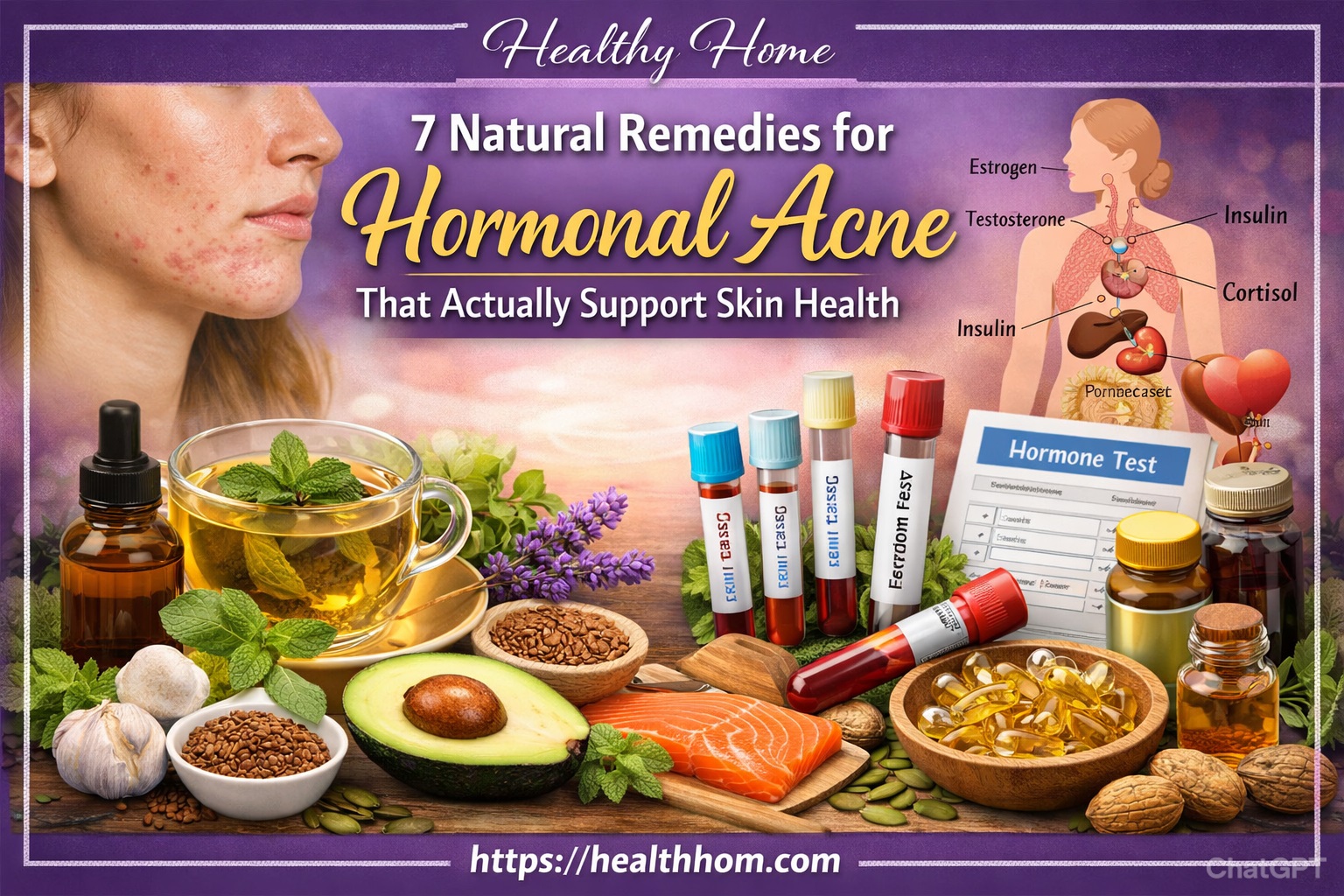
Discover 7 natural remedies for hormonal acne, including diet, stress control, and lifestyle tips to support hormone balance and clearer skin.
Reviewed by Bibhu Ranjan Mund, MPH (Public Health Expert) with experience in maternal, infant, child, and adolescent health programs. Content is based on evidence-informed guidelines aligned with organizations such as the World Health Organization, UNICEF, Centers for Disease Control and Prevention, and National Institutes of Health.
Last reviewed on: 22 March 2026.
Medical Disclaimer: This content is for informational and educational purposes only and is not intended as medical advice, diagnosis, or treatment. Always seek the advice of a qualified healthcare professional regarding any medical condition or concerns.
Affiliate Disclosure: This article contains affiliate links. If you purchase through these links, we may earn a small commission at no extra cost to you.
Introduction :
Acne is not a teenage bother or the problem of cosmetics, but a warning of an inner hormonal imbalance. The reason may be attributed to the cystic breakouts that surround the chin, the sticky blackheads and the monthly flare ups in the majority of adults, mainly female. Many people have started resorting to natural, holistic treatment instead of strong medications or artificial pills.
In this post, we take a closer look, how to readjust the hormones naturally, and in turn, achieve clear glowing skin.
Not a replacement for medical treatment in severe acne or PCOS
Global Acne Overview
| Indicator | Estimate | Source |
|---|---|---|
| Global prevalence of acne | ~9.4% of the global population | Global Burden of Disease Study (2019) |
| Acne among adolescents | Up to 80–85% experience acne at some stage | American Academy of Dermatology (2022) |
| Adult women affected by acne | Up to 15–20% report persistent acne | Journal of Clinical and Aesthetic Dermatology (2020) |
| Acne listed among most common skin conditions worldwide | Top dermatological conditions globally | WHO Global Skin Health Reports (2021) |
Understand the hormonal acne and what its reality?
Hormonal acne is normally:
- Breaks out in jaw line, chin and neck areas
- Has painful cysts, deep and painful
- Even occurs when you take care of your skin well
- Before menstruation, it actually appears and affect skin
Key types of Hormones :
- Androgens (Testosterone, DHT) increase the work of oil (sebum) too much production
- Estrogen/Progesterone which actually works for menstrual changes in skins & imbalance in menstrual cycle
- Insulin with IGF(1) which generally inform us more about the skin & cell turnover of the oil
- Cortisol which is a stress hormone actually makes the skin more inflammatory with greasy
Hormones Commonly Associated With Skin Changes
| Hormone | General Role in the Body | Skin-Related Observation | Source |
|---|---|---|---|
| Androgens | Regulate development and metabolism | Associated with increased sebum production | Harvard Health Publishing (2022) |
| Estrogen | Supports reproductive health | Linked with skin hydration and elasticity | NIH Hormone Research (2020) |
| Progesterone | Regulates menstrual cycle | May influence oil production in skin | Mayo Clinic Dermatology Review (2021) |
| Cortisol | Stress-response hormone | Stress may influence inflammatory responses | NIH Stress and Health Study (2020) |
| Insulin | Regulates blood sugar | High insulin levels linked with metabolic changes | Harvard T.H. Chan School of Public Health (2022) |
If acne is not controlled, different types of lab tests to conduct as follows:
- Androgens, Testosterone
- Estrogen/ Progesterone Ratio (day 21 of the cycle in particular)
- DHEA-S
- T4, T3, TSH
- Insulin Fasting & Glucose
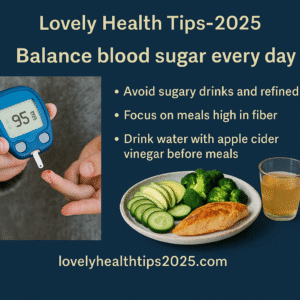
1. Balancing the blood sugar level in the body every day:
Blood sugar spikes the level of insulin & worsen the acne.
Natural steps are as follows:
- Avoid carbonated sugar and whites textured carbs
- Focus the meals containing lots of fiber.
- We must ensure that every meal must include protein with healthy fats
- Prior to meals, drink some water mixed with vinegar of apples (enhances responses to insulin)
Lifestyle Factors That May Influence Skin Health
| Lifestyle Factor | General Observation | Source |
|---|---|---|
| Balanced diet | Nutrient intake associated with overall skin health | Harvard Health Publishing (2022) |
| Adequate sleep | Sleep patterns linked with skin recovery processes | NIH Sleep Research (2021) |
| Stress management | Stress can influence inflammatory pathways | Mayo Clinic Health System (2022) |
| Physical activity | Regular exercise associated with improved circulation | CDC Physical Activity Guidelines (2021) |
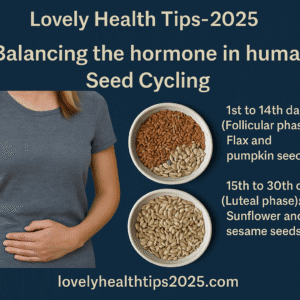
2. Balancing the hormone in human which is also a Seed Cycling:
It is an old remedy that works with seeds to maintain you with estrogen and progesterone levels going through your period.
Its working process :
- From 1st to 14th day which is called as Follicular phase : We may use Flax with Pumpkin seeds (1 table spoon every day)
- From 15th to 30th day which is called as Luteal phase: We may use Sunflower with Sesame seeds
With lots of phytoestrogens, lignans, zinc and selenium, seed cycling can be used to naturally balance hormones gradually.
3. Benefits from herbals in natural process:
- Spearmint Tea/ 1–2 cups/ per day/ Lowers androgens and in particular PCOS
- Vitex (Chaste Tree) -800 to 1000 mg/ day People use vitex (Chaste Tree) Support progesterone, regulating the cycles
- Cruciferous vegetables- Supplements or broccoli, and kale that facilitate the clearance of estrogens
- Licorice Root 3: avoid high blood pressure with herbalist; reduces DHT
Precaution: take care to consider a physician when under medication or in pregnancy.
4. Cortisol level decrease during dealing with stress
Levels of stress elevate production of oil and inflammation.
Natural Techniques:
- Everyday hikes into the nature
- The use of 10 mins of deep breathing or meditation
- Ashwagandha roots teas or capsules, is the source of cortisol regulation
- Good sleep: 7–9 sleeping hours, i.e. stable sleep-wake cycle

5. Care about the skin: not severe
Natural solutions also deal with what you do not apply on your skin ; Natural Remedy for Acne
Tips:
- Apply non-comedogenic oils (diluted tea tree, hemp seed and jojoba oils)
- Don’t over-wash; wash twice a day
- Exfoliating Once or twice a week with some lactic acid or other easy enzyme masks
- Aloe vera gel with turmeric which is anti-inflammatory in nature
Natural Ingredients Used in Skin Care
| Ingredient | Traditional Use | Source |
|---|---|---|
| Tea tree oil | Commonly used in topical skincare | National Center for Complementary and Integrative Health (2021) |
| Aloe vera | Used for soothing skin | NIH Complementary Health Review (2020) |
| Jojoba oil | Used as moisturizing oil | Dermatology Research Journal (2019) |
| Turmeric | Traditionally used in herbal skincare | Journal of Herbal Medicine (2021) |
6. Liver Detox which supports a lot:
Extra hormones such as estrogen are passed through your liver.
Tips: Natural Remedy for Acne
- Take a start in the morning with warm lemon water
- Add cabbage, kale and broccoli daily
- Add tea made of milt thistle, or dandelion root
- Eight glasses of water may be taken daily
7. The Hormones and Omega-3 :
The majority of those with skin prone to acne have inflammatory skin, exacerbated by diets that are rich in omega-6 (these are processed oils).
- Omega 3 increases
- Fat types of fish as salmon or sardines
- Chia and walnuts, flax seeds
- Fish oil supplements (being the best quality and pure)
Foods Naturally Rich in Omega-3
| Food Source | Type of Omega-3 | Source |
|---|---|---|
| Fatty fish (salmon, sardines) | EPA & DHA | NIH Office of Dietary Supplements (2022) |
| Flax seeds | ALA | Harvard Nutrition Source (2022) |
| Chia seeds | ALA | USDA Nutrition Database (2022) |
| Walnuts | ALA | Mayo Clinic Nutrition Guide (2021) |
Acne trigger list:
- Dairy (in particular skim milk) – Substitute with almond, coconuts or oats milk
- Too much caffeine 1 a day also drink a lot of water
- Evening hours late bedtimes 10.30 to 11 PM to repair hormones
- Dusty pillow cases- 2 washings a week
- Lots of make-up: go with mineral based brands or clean beauty brands
Factors Often Associated With Acne Flare-Ups
| Factor | Example |
|---|---|
| Diet patterns | High-sugar or high-processed foods |
| Stress | Work or lifestyle stress |
| Sleep patterns | Irregular sleep schedule |
| Skin products | Heavy or pore-blocking cosmetics |
| Hygiene factors | Dirty pillowcases or makeup brushes |
Source: American Academy of Dermatology Acne Guidelines (2022)
Natural vs Conventional Approaches for Hormonal Acne
| Aspect | Natural Remedies for Hormonal Acne | Conventional Acne Treatments |
|---|---|---|
| Primary approach | Supports hormone balance through diet, lifestyle, and stress management | Targets symptoms using medications or topical agents |
| Speed of results | Gradual improvement over weeks with consistent habits | Often faster visible results |
| Side effects | Generally minimal when used correctly | May include dryness, irritation, or hormonal side effects |
| Long-term suitability | Can support overall wellness and skin health | Long-term use may require medical supervision |
| Best for | Mild to moderate hormonal acne | Moderate to severe or persistent acne |
Source: American Academy of Dermatology Acne Treatment Overview (2022)
Time schedule of natural healing of acne:
Natural cures are long term. And a rough chronology was:
General Skin Renewal Timeline
| Time Period | Typical Skin Changes |
|---|---|
| 1–2 weeks | Skin adjustment to new routine |
| 3–4 weeks | Skin cell turnover cycle occurs |
| 6–8 weeks | Lifestyle habits may influence skin appearance |
| 8–12 weeks | Visible changes may occur with consistent routine |
Source: American Academy of Dermatology Skin Renewal Research (2021)
Daily Lifestyle Habits Supporting Hormonal Balance
| Habit | Example |
|---|---|
| Balanced meals | Whole foods, vegetables, protein |
| Stress management | Meditation or breathing exercises |
| Sleep routine | Consistent sleep schedule |
| Hydration | Drinking adequate water |
| Physical activity | Regular moderate exercise |
Source: WHO Healthy Lifestyle Guidelines (2020)
Key points
It may be frustrating to have hormonal acne, but your skin is not your worst enemy. Gradually, but surely you should become a balanced and clear individual with patience, natural treatments and emphasis on internal wellbeing.
You do not have to go between your hormones and your skin. You have to be able to keep your hormones balanced & have a radiant look on your skin naturally.
Basic Skin Care Routine for Acne-Prone Skin
| Step | General Practice |
|---|---|
| Cleansing | Gentle cleansing twice daily |
| Moisturizing | Using non-comedogenic products |
| Sun protection | Daily sunscreen use |
| Hygiene | Clean pillowcases and makeup tools |
| Minimal irritation | Avoid excessive scrubbing |
Source: Mayo Clinic Skin Care Guide (2022)
FAQs:
Related Health Articles from Healthy Home
- https://healthhom.com/womens-wellness/
- https://healthhom.com/health-benefits-of-turmeric/
- https://healthhom.com/women-hormone-balance-diet/
- https://healthhom.com/iron-rich-foods-during-pregnancy/
- https://healthhom.com/how-to-know-your-cholesterol-level-bmi-bmr/
Trusted References and Research Sources:
- Does diet really matter when it comes to adult acne? – Harvard Health
- https://www.healthline.com/health/beauty-skin-care/hormonal-acne
- https://pmc.ncbi.nlm.nih.gov/articles/PMC4740760/
- https://www.webmd.com/skin-problems-and-treatments/acne/acne-alternative-treatments
- https://pmc.ncbi.nlm.nih.gov/articles/PMC9217581/
- https://www.mayoclinic.org/diseases-conditions/acne/in-depth/acne-treatments/art-20045814
- https://www.webmd.com/skin-problems-and-treatments/acne/hormonal-acne
This information is suggestive only and not a replacement for medical advice. For more detail, please visit to my website as mentioned below:


About the Author – “Bibhu Ranjan Mund”, Master in Public Health (MPH) from IIHMR University, Jaipur (Rajasthan- IHMR-U/12/2021 -23/0015) has experience of 18 years in Public Health activities like maternal health, child health, adolescent health, nutrition and community wellness programs. Through “Healthy Home”, he shares evidence-based health and wellness guidance designed to support families in making informed lifestyle decisions. This content is for educational purposes only and does not replace professional medical advice. Connect LinkedIn – https://www.linkedin.com/in/bibhu-ranjan-mund-b72171358/