Last Updated on March 22, 2026 by Bibhu Ranjan Mund, MPH
Iron supplementation benefits, dosage, side effects and iron-rich foods explained. Learn who needs iron supplements and when to consult a doctor.
Reviewed by Bibhu Ranjan Mund, MPH (Public Health Expert) with experience in maternal, infant, child, and adolescent health programs. Content is based on evidence-informed guidelines aligned with organizations such as the World Health Organization, UNICEF, Centers for Disease Control and Prevention, and National Institutes of Health.
Last reviewed on: 22 March 2026.
Medical Disclaimer: This content is for informational and educational purposes only and is not intended as medical advice, diagnosis, or treatment. Always seek the advice of a qualified healthcare professional regarding any medical condition or concerns.
Affiliate Disclosure: This article contains affiliate links. If you purchase through these links, we may earn a small commission at no extra cost to you.
Iron is one of the essential minerals in human body. It’s one of the important factors involved in the production of hemoglobin, the protein in red blood cells that enables them to transport oxygen from your lungs to the rest of your body.
Due to iron deficiency, our body is not able to produce the healthy red blood cells which causes the iron-deficiency anemia. It is one of the most important factor for nutritional deficiency over the universe.
According to World Health Organization (WHO), almost 30% of the world’s population suffers from anemia and most of the cases are associated with a poor intake of iron. In this article, we will discuss everything one need to know about iron supplementation :
- Why we should give importance
- Who needs
- How much to take
- Side effects
- Natural food sources.
Quick Summary :
- Oxygen transport, energy production and immunity Iron is vital.
- Anemia, fatigue, pale skin and dizziness may be due to iron deficiency.
- Women, teenagers, pregnant women and children are more vulnerable.
- Vitamin C enhances the uptake of iron.
- Tea, coffee and calcium inhibit iron intake.
- Excess iron may be harmful, please do not self-medicate
- Blood testing (Hemoglobin and Ferritin) proves deficiency.
Why we need Iron in the body?
Iron serves a number of functions:
- Oxygen transport — Hemoglobin which may be a storage of oxygen in muscles & are dependent upon iron.
- Energy production: Low iron causes fatigue and weakness.
- Brain health: You need sufficient iron for good memory, concentration and learning.
- Immunity: Iron is essential to support the activity of white blood cells which make the body more resistant to infections.
- Growth & development: Which is critical for children, teenagers, pregnant women.
When iron levels start to drop, the oxygen supply also slows down, making you tired, your skin becomes pale, you start to feel dizzy, brittle nails occur and more frequent headaches are a normal occurrence.
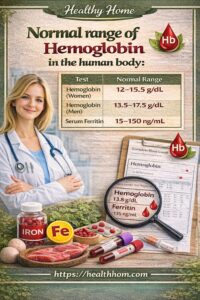
Normal range of Hemoglobin in the human body:
| Test | Normal Range |
|---|---|
| Hemoglobin (Women) | 12–15.5 g/dL |
| Hemoglobin (Men) | 13.5–17.5 g/dL |
| Serum Ferritin | 15–150 ng/mL |
Highlights critical nutrition steps for children aged 6 to 24 months to prevent iron deficiency and support growth :Iron Deficiency Anaemia: Safeguard a Child (6 m–24 m)
Common Reasons for iron deficiency
Several reasons for iron deficiency. Iron deficiency may occur for a number of reasons:
- Low dietary intake — Vegetarians and vegans may not get so much of heme iron (from animal sources).
- Blood loss — Heavy menstruation, ulcers, internal bleeding or frequent blood donation.
- Pregnancy — Due to having pregnancy and the breast feeding to infants there is more demand of iron.
- Growth periods — Children and teenagers with rapid growth need more iron.
- Digestive issues — With pathological conditions such as celiac disease, or gastric bypass surgery, the absorption is reduced.
Understanding the cause is important because sometimes all supplementation may address the symptom like the restlessness or fatigue-rather than getting to the root of the problem.
How iron during pregnancy supports maternal health, prevents anaemia, and improves birth outcomes: Antenatal Iron Supplementation
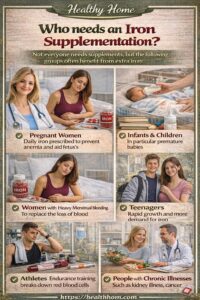
Who needs an Iron Supplementation?
Not everyone needs supplements. But the following groups often benefit from extra iron:
- Pregnant women: Daily iron is often prescribed by the Doctors for preventing anemia and aid the fetus’s development.
- Women with heavy menstrual bleeding: To replace the loss of blood.
- Infants and children: In particular premature babies.
- Teenagers: Rapid growth and subsequent increase in the demand for iron.
- Athletes: Endurance training requires the breakdown of red blood cells and an increase in iron requirement to substitute them.
- Vegetarians and vegans: Plant-based iron (non-heme) is less able to be absorbed than animal-based iron.
- People with chronic illnesses: Such as kidney illness or a type of cancer to which anemia is not uncommon.
Always talk with a healthcare provider before you start taking iron supplements because taking iron when it is not needed is harmful.
Examines how adolescent anaemia can lead to chronic health issues, developmental delays, and elevated disease risk :Impact of Anaemia in Adolescents: Long-Term Risks of Malnutrition
Types of Iron Supplement
There are several forms of iron supplements. The most common include:
- Ferrous Sulfate : Most widely prescribed. Affordable and effective. May cause upset stomach or constipation.
- Ferrous Gluconate : Gentler on the stomach. Slightly reduced amount of the iron per tablet.
- Ferrous Fumarate : High iron content. Often would be recommended for severe deficiency.
- Heme Iron : Polypeptide Derived from animal sources. Better absorption, more expensive.
- Liquid Iron : Supplements useful to children or people with a problem with tablets.
Take iron with vitamin C (orange juice, etc.) to increase absorption rate- tea, coffee and calcium inhibit iron absorption. Doctors may prescribe doses for severe anemia.
Warning: Do not try to treat any of these with high doses of iron on your own because excess iron damages organs.
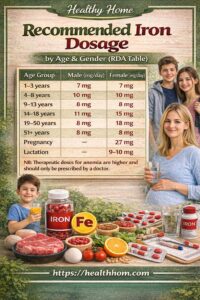
Recommended Iron Dosage by Age & Gender (RDA Table)
| Age Group | Male (mg/day) | Female (mg/day) |
|---|---|---|
| 1–3 years | 7 mg | 7 mg |
| 4–8 years | 10 mg | 10 mg |
| 9–13 years | 8 mg | 8 mg |
| 14–18 years | 11 mg | 15 mg |
| 19–50 years | 8 mg | 18 mg |
| 51+ years | 8 mg | 8 mg |
| Pregnancy | — | 27 mg |
| Lactation | — | 9–10 mg |
NB Therapeutic doses for anemia are higher and should only be prescribed by a doctor.
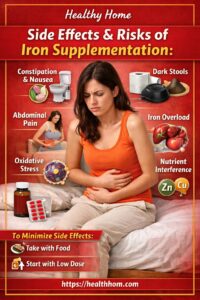
Side effects & risks of Iron Supplementation:
Common side effects include:
- Constipation or diarrhea
- Nausea and vomiting
- Dark stools
- Abdominal pain
Serious risks of excess iron:
- Iron overload : Can exacerbate the liver, heart and pancreas.
- Oxidative stress: Free iron in excess may cause cell damage.
- Interference with any other mineral : Iron may reduce the absorption of zinc or copper.
To minimize side effects:
- Take supplements with food (don’t with tea/coffee)
- Start with a lesser dose and work up.
Natural Food Sources of Iron:
There are two forms of iron in food:
- Heme Iron : It is an animal based food. It is then absorbed more efficiently.
- Non-Heme Iron : Present in plant based food items. Absorption is lower (2 to 20%), but it’s better when combined with food rich in vitamin C.
In biology, heme is a porphyrin ring with an iron atom at the center that is essential for producing various proteins.
Examples —different Heme Iron Sources which is Animal Based
- Red meat — Organ meats. These foods have the most bioavailable form of iron: Red Meat (Beef, Lamb, Goat). It is one of the richest sources of heme iron.
- Poultry (Chicken, Turkey, Duck) — Doesn’t have as much iron as red meat but can still contribute a lot of iron.
- Seafood (Sardines, Tuna, Salmon, Mackerel, Shellfish like Oysters & Clams) : Again Oysters are the richest sources, at around 8mg per 100g.
- Organ Meats (Liver, Kidney, Heart) : Extremely high in iron
Note: Red meat and organ meats are also great so consume them in moderation because of the cholesterol and saturated fats content.
Different sources of Non-Heme Iron which is Plant Based:
These are very important for vegetarians and vegans:
- May be Lentils, Chickpeas, Kidney Beans, Soybeans, Black Beans etc.
- Leafy Green Vegetables (Spinach, Kale, Collard Greens, Broccoli) : Spinach, spinach is in a class by itself at approx 2.7 mg per 100g
- Nuts and Seeds (Pumpkin Seeds, Sesame, Chia, Flaxseeds, Cashews, Almonds) : Pumpkin seeds are especially high, as well, with approx 4.2 mg per 28 g serving.
- Whole Grains (May be Quinoa, Brown Rice, Oats, Millet, Fortified Breakfast Cereals etc.)
- Dried Fruits (Raisins, Apricots, Dates, Prunes, Figs): Easy to snack on to increase the amount of iron consumed naturally.
- Tofu — Best vegetarian protein + Iron (tofu : approx 3.4 mg /100 g)
How to provide more iron in the body
Plant-based iron is more difficult to absorb, but there are ways to maximize absorption with astute food combinations. To increase absorption we may intake with vitamin-C rich foods”
Examples: Squeeze the juice of a lemon on spinach, try pairing beans and tomatoes or fruit with fortified cereal.
Note : Tea, coffee, wine and calcium rich foods (milk, cheese) inhibit iron absorption. Have them at least 1–2 hours away from your iron rich meal.
Cook in Cast-Iron Cookware : Increases iron content in the food (especially acidic foods such as tomato curry).
Iron-Rich Meal Combinations:
- Lentil soup + lemon juice + bread whole grains.
- Spinach aalad and orange slices with pumpkin seeds
- Oats with raisins, dates and fortified almond milk.
- Grilled chicken + broccoli (sauteed) + quinoa.
Practical tips to get healthy iron intake:
- Eat a balanced diet with a combination of plant and animal iron rich sources.
- Don’t drink tea, coffee or milk directly after your meal.
- Cook in cast-iron pans — This boosts the iron intake of food.
- For vegetarians, emphasis is on beans, lentils, tofu, fortified cereals and green leafy vegetables.
- Get regular blood testing tests if you are in a risk group.
Read our detailed guide on iron-rich foods during pregnancy to prevent anemia naturally. Top 11 Iron Rich Foods During Pregnancy (Prevent Anemia Naturally) :
When to talk a Doctor:
Don’t begin iron supplements without testing your Hemoglobin levels. Consult your doctor if you:
- Feel extremely tired or weak.
- Have pale skin or brittle nails or unusual hair loss.
- Have frequent dizziness or shortness of breath
- Take note of irregular heart rhythm or chest pain.
- A simple blood test (serum ferritin or hemoglobin) will confirm whether you are deficient and help determine treatment.
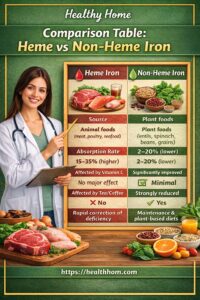
Comparison Table: Heme vs Non-Heme Iron
| Feature | Heme Iron | Non-Heme Iron |
|---|---|---|
| Source | Animal foods (meat, poultry, seafood) | Plant foods (lentils, spinach, beans, grains) |
| Absorption Rate | 15–35% (higher) | 2–20% (lower) |
| Affected by Vitamin C | No major effect | Significantly improved |
| Affected by Tea/Coffee | Minimal | Strongly reduced |
| Suitable for Vegetarians | ❌ No | ✔ Yes |
| Best For | Rapid correction of deficiency | Maintenance & plant-based diets |
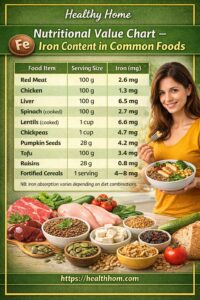
Nutritional Value Chart – Iron Content in Common Foods
| Food Item | Serving Size | Iron (mg) |
|---|---|---|
| Red Meat | 100 g | 2.6 mg |
| Chicken | 100 g | 1.3 mg |
| Liver | 100 g | 6.5 mg |
| Spinach (cooked) | 100 g | 2.7 mg |
| Lentils (cooked) | 1 cup | 6.6 mg |
| Chickpeas | 1 cup | 4.7 mg |
| Pumpkin Seeds | 28 g | 4.2 mg |
| Tofu | 100 g | 3.4 mg |
| Raisins | 28 g | 0.8 mg |
| Fortified Cereals | 1 serving | 4–8 mg |
NB: Iron absorption varies depending on diet combinations.
Practical Absorption Tips
- Combine iron food with lemon, orange, amla or tomatoes.
- Do not take tea/coffee 1 – 2 hours before or after food.
- Cook acidic foods in cast-iron cookware
- Consumption should be spread over the day for better tolerance
Concluding Points:
Iron supplementation may help improve iron status in individuals diagnosed with deficiency. While deficient intake leads to serious health problems, when consumed in excess it can be dangerous.
If you suspect that you’re experiencing low iron, please don’t ignore the symptoms and consult the doctor.
Related Health Articles from Healthy Home
- Supplementary Feeding for Infants
Guidance on introducing complementary foods to infants, timing, selection, and how it supports development. - 7 Natural Foods for Women’s Hormonal Balance
Explore seven nutrient-dense foods that support women’s hormonal health, reduce PMS and improve reproductive wellness. - 7 Indian Thyroid Friendly Recipes & 7-Day Meal Plan for Metabolism (2026)
Trusted References and Research Sources:
- WHO – Daily Iron Supplementation for Women & Adolescents (PDF Guideline)
Global WHO guideline recommending daily iron supplementation in menstruating women and adolescents in high-anaemia prevalence settings. :contentReference[oaicite:0]{index=0} - NCBI Bookshelf – Iron Supplementation in Adult Women & Adolescent Girls
Evidence review on daily iron supplements for non-pregnant adolescent girls and adult women to prevent iron deficiency anaemia. :contentReference[oaicite:1]{index=1} - Cleveland Clinic – Oral Iron Supplements for Anemia
Patient-friendly overview of oral iron therapy: indications, dosage, side-effects, and monitoring. - Office of Dietary Supplements (NIH) – Iron Fact Sheet for Health Professionals
Comprehensive fact sheet covering iron’s roles, dietary sources, requirements, supplementation, and deficiency risks. - WHO ELENA Review Summary – Daily Iron Supplementation for Women
Summary of evidence and recommendations on daily iron supplements to improve anaemia and iron status in menstruating women. :contentReference[oaicite:2]{index=2} - The Lancet eClinicalMedicine – Intermittent vs Daily Iron in Pregnancy & Women
Recent trial comparing intermittent and daily iron supplementation regimens in women and showing similar outcomes with fewer side-effects. :contentReference[oaicite:3]{index=3} - WebMD – Iron (Supplement & Nutrition)
Informational page about iron supplement uses, safety concerns, interactions and dosing for lay readers. - WHO ELENA – Iron Supplementation for Children (5-12 years)
Evidence summary of iron supplementation interventions in children ages 5-12 to improve iron status and reduce anaemia. - PMC-NCBI – Iron Deficiency, Anemia and Health Outcomes Review
Systematic review discussing iron deficiency and anemia across life stages and the health consequences of untreated deficits. - WebMD – Iron Supplement Guide
Comprehensive guide to iron supplementation: who needs it, dosing, forms, and interactions with foods and medications. - WHO ELENA – Daily Iron Supplementation for Women Review
Evidence-based review of daily iron supplementation in menstruating women, including cost, benefit, safety and programme implementation.
FAQs:
For more detail, please visit to my website as mentioned below:


About the Author – “Bibhu Ranjan Mund”, Master in Public Health (MPH) from IIHMR University, Jaipur (Rajasthan- IHMR-U/12/2021 -23/0015) has experience of 18 years in Public Health activities like maternal health, child health, adolescent health, nutrition and community wellness programs. Through “Healthy Home”, he shares evidence-based health and wellness guidance designed to support families in making informed lifestyle decisions. This content is for educational purposes only and does not replace professional medical advice. Connect LinkedIn – https://www.linkedin.com/in/bibhu-ranjan-mund-b72171358/