Last Updated on March 22, 2026 by Bibhu Ranjan Mund, MPH
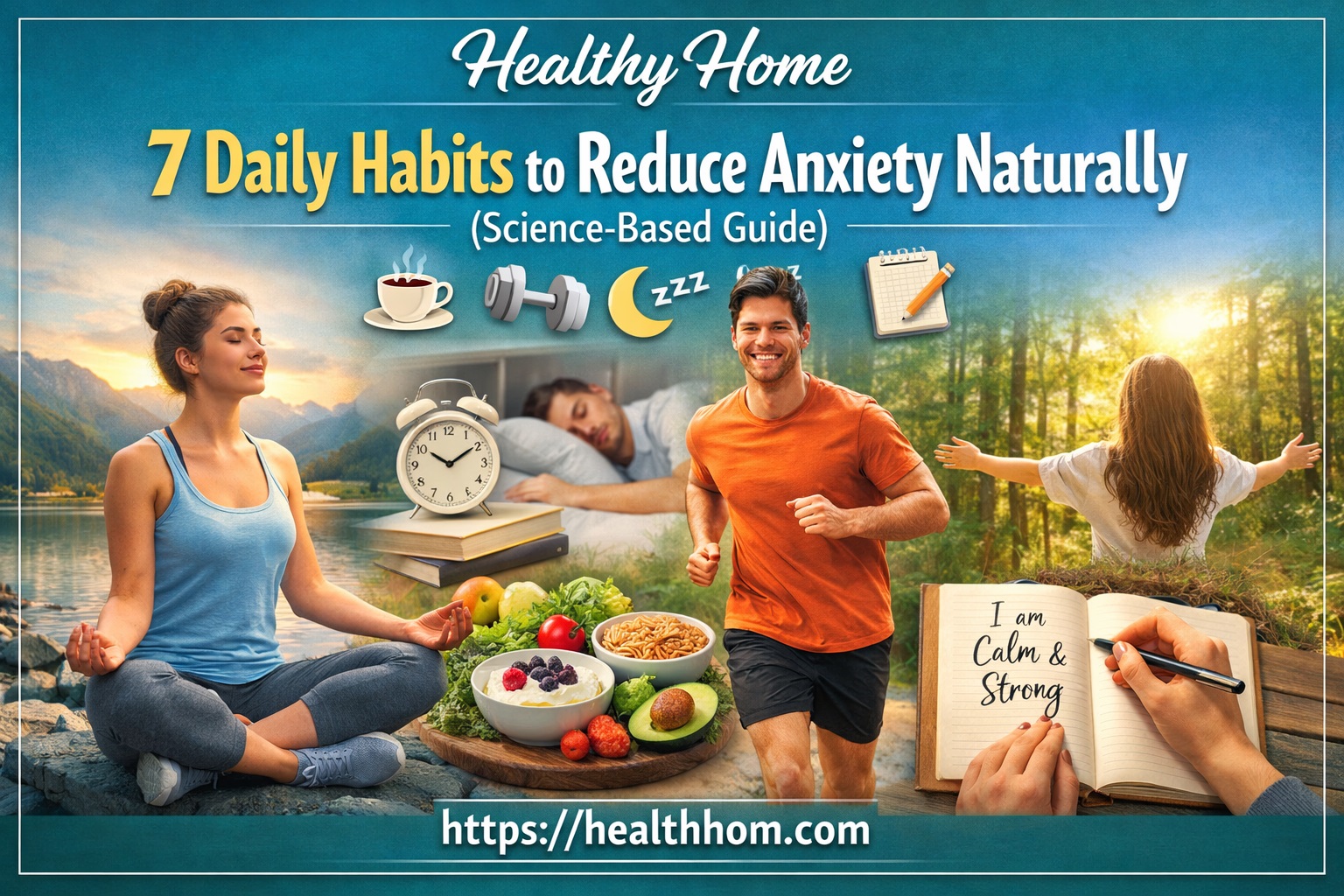
Learn 7 science-backed daily habits to reduce anxiety naturally. Improve sleep, gut health and stress resilience safely and effectively.
Reviewed by Bibhu Ranjan Mund, MPH (Public Health Expert) with experience in maternal, infant, child, and adolescent health programs. Content is based on evidence-informed guidelines aligned with organizations such as the World Health Organization, UNICEF, Centers for Disease Control and Prevention, and National Institutes of Health.
Last reviewed on: 22 March 2026.
Medical Disclaimer: This content is for informational and educational purposes only and is not intended as medical advice, diagnosis, or treatment. Always seek the advice of a qualified healthcare professional regarding any medical condition or concerns.
Affiliate Disclosure: This article contains affiliate links. If you purchase through these links, we may earn a small commission at no extra cost to you.
Today, anxiety has become an increasing common mental health concern. Millions of people are affected by anxiety on a daily basis because of digital screens, social comparison, work pressures & health worries. Counseling & pharmaco-therapy are significant components of the treatment and yet some individuals rely on holistic and natural ways of coping with their anxiety. Anxiety may decrease when a stable daily routine is established which helps to accumulate mental clarity, feeling of relaxation and emotional strength.
Global Mental Health and Anxiety Statistics
| Indicator | Global Estimate | Source | Year |
|---|---|---|---|
| People living with anxiety disorders worldwide | ~301 million people | World Health Organization | 2023 |
| Global prevalence of anxiety disorders | About 4% of the population | WHO Mental Health Report | 2023 |
| Increase in anxiety symptoms during COVID-19 pandemic | ~25% increase | WHO Global Mental Health Report | 2022 |
| Adults reporting high daily stress | ~41% | American Psychological Association | 2023 |
| Average daily screen time globally | 6–7 hours per day | DataReportal Global Digital Report | 2024 |
Quick Summary: 7 Habits to Reduce Anxiety Naturally
- Improve sleep (7–9 hours)
- Move daily (20–30 minutes)
- Practice mindfulness
- Support gut health
- Limit caffeine
- Reduce screen time
- Journal & reflect
Key Lifestyle Factors Affecting Stress Levels
| Lifestyle Factor | Example Habit | Evidence Source | Year |
|---|---|---|---|
| Sleep quality | 7–9 hours sleep nightly | Sleep Foundation | 2023 |
| Physical activity | 20–30 minutes daily movement | CDC Physical Activity Guidelines | 2022 |
| Diet quality | Whole foods & balanced meals | Harvard Nutrition Source | 2023 |
| Screen exposure | Reduced evening screen use | National Sleep Foundation | 2022 |
| Mindfulness | Meditation & breathing exercises | American Psychological Association | 2023 |
7 daily practices that we can do to become less anxious:
1. The first thing in the morning begin with mindful breathing or meditation
Having deep breathing & mindfulness help for working of nervous system more efficient, also it lowers the cortisol level which is actually the stress hormone.
How to practice:
- Take only a few moments of your day in the morning and incorporate mindful breathing (5–10 minutes).
- Breathe in deeply through your nostrils counting till 4 and hold the breath the same way and exhale and again stay bogged down the same way counting 4. This is called box breathing.
- Alternatively, you can go guided meditation by using many types of apps as Insight Timer, Headspace or Calm.
- This is something that should be done first in the morning to establish a calm mood in the day.
Tips: It is important to practice gratitude right after it, use the attitude of gratitude practice: consider 3 things you are grateful for and positivity will improve.
Popular Mind–Body Relaxation Practices
| Practice | Typical Duration | Key Focus |
|---|---|---|
| Mindful breathing | 5–10 minutes | Breath awareness |
| Guided meditation | 10–20 minutes | Mental focus |
| Yoga | 20–30 minutes | Breath + movement |
| Tai Chi | 20–40 minutes | Slow movement & balance |
| Progressive muscle relaxation | 10–15 minutes | Body relaxation |
Source: Harvard Health Publishing, 2023
2. Exercise your body, i.e. walking, dancing or playing every day.
Exercise boosts your mood. It increases endorphins and lowers stress hormones, adrenaline & cortisol. Frequent exercise also helps in a better sleep, integrity and enhancement in thinking.
Best activities for anxiety:
- Brisk walking
- Gentle yoga practices such as Hatha or restorative yoga can calm the nervous system and relax the body.
- Swimming
- Cycling
- Dancing
- Tai Chi
How to start:
- Strive to have 30 minutes of light moderate activities every day.
- One 15-minutes yoga session can be simply divided into two, 15 min walks.
- A 5 to 10 minute stretch or yoga can help you when you are overwhelmed.
Physical Activities That Support Mental Wellness
| Activity | Intensity | Example Duration |
|---|---|---|
| Brisk walking | Moderate | 20–30 minutes |
| Yoga | Low to moderate | 20 minutes |
| Cycling | Moderate | 30 minutes |
| Swimming | Moderate | 20–30 minutes |
| Dancing | Moderate | 15–30 minutes |
Source: CDC Physical Activity Guidelines, 2022
3. Limit caffeine and sugar. These can raise anxiety.
Caffeine is also energizing yet it has the capacity to excessively stimulate the nervous system thus producing the nervous symptoms of anxiety that are similar having a rapid heartbeat. Sugar leads to sudden energy and subsequent fatigue which creates a feeling of disturbance and anxiety.
A smart switch:
- Substitute your second cup of coffee with some herbal tea such as chamomile, lemon balm or ashwagandha.
- Choose whole grains or oats, sweet potato or whole grains, rather than processed sugar as this will help to boost serotonin.
- Nuts, Berries or little dark chocolate provides even energy and mood balancing.
Relaxation of anxious strain may be achieved by making the meals unhurried, slow down the intake and amount of chewing and avoiding multitasking during a meal.
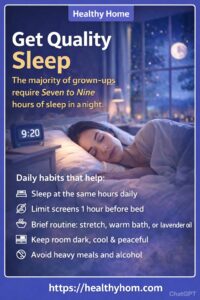
4. Get quality sleep. The majority of grown-ups require Seven to Nine hours of sleep in a night.
Sleep is important. Poor quality sleep leads to the development of anxiety due to the inability to control your feelings, the elevation of cortisol levels and the difficulty of the brain to be able to cope with stress.
Daily habits that help:
- Sleep at approximately the same hours and get up on a weekend.
- Reduce the amount of screen time within an hour before bed time. Blue light lowers melatonin.
- A brief routine such as mild stretching, hot bath or lavender essential oil should be used.
- Arrange the bedroom in such a way that it is dark, cool and peaceful.
- Refrain of having heavy meals and alcohol between the dinner and bed time.
We should sleep timely and treat it as important as any other wellness topic.
Evidence-Based Sleep Habits
| Habit | Description |
|---|---|
| Fixed sleep schedule | Sleep and wake at the same time daily |
| Reduce screen exposure | Avoid blue light before bedtime |
| Dark sleep environment | Use dim lights or blackout curtains |
| Relaxation routine | Stretching or reading before bed |
| Avoid heavy meals late | Eat dinner 2–3 hours before sleep |
Source: National Sleep Foundation, 2023
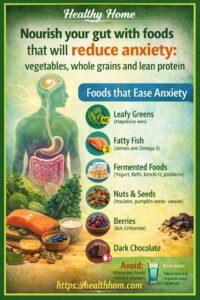
5. Nourish your gut with foods that will reduce anxiety: vegetables, whole grains and lean protein.
The gut brain axis connects the gut and the brain. A gut microbiome maintains a healthy mood, thoughts and its emotional balance. Foods with Nutrient rich acts like a natural medicine.
Foods that ease anxiety:
- Eating of leafy greens such as spinach and kale (rich in magnesium) to help the brain.
- Taking of fatty fish viz. Salmon and Omega 3 for improving the functioning of brain.
- Eating the different types of fermented foods like yogurt, kefir, kimchi & other probiotics for building of good bacteria in the body.
- Nuts and seeds such as pumpkin seeds, chia seeds and walnuts provide brain-protective nutrients.
- Consumption of berries which contain antioxidants which are protective to the brain.
- We may eat the dark chocolate for upliftment of our mood & to support the brain health in the body.
Avoid:
- Processed foods
- Artificial sweeteners
- Refined carbs
- Alcohol
Hydration tip: Take at least 6 to 8 glasses of water a day to help in support hydration and cognitive performance.
Nutrients Linked With Brain & Mood Support
| Nutrient | Food Sources | Nutritional Role | Source | Year |
|---|---|---|---|---|
| Omega-3 fatty acids | Fatty fish, walnuts | Brain structure support | Harvard Health | 2023 |
| Magnesium | Spinach, pumpkin seeds | Nervous system function | NIH Office of Dietary Supplements | 2023 |
| Probiotics | Yogurt, kefir, kimchi | Gut microbiome balance | Frontiers in Nutrition | 2022 |
| Fiber | Whole grains, fruits | Gut health | FAO Nutrition Report | 2021 |
| Polyphenols | Berries, green tea | Antioxidant activity | Journal of Nutrition | 2022 |
6. Noting down the things that you adore about yourself:
Why it helps :
Journaling reduces clutter in the mind, minimizes over thinking and provides emotional distance against things that arouse anxiety. It likewise makes sense of things and provides a secure mechanism of expressing bad emotions. We should always try to speak positive words & to change the negative thoughts.
How to journal for anxiety
- Recording of three numbers of good things by the end of the day.
- Try to use prompts such as What am I feeling now or What can I control etc.
- Write down fears by keeping a worry log and then view them with a cool, new way of mind later.
Affirmations to try
- I am safe and in control.
- I am stronger than my anxiety.
- This is not a permanent thing and I will go through it.
Pro tip : Write in form of affirmation, in the morning or before bedtime to maintain a constant mindset.
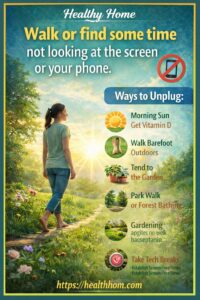
7. Walk or find some time not looking at the screen or your phone.
Nature can ground us. Nature views and natural light, reduce blood pressure, reduce cortisol and improve mood. Go on an outdoors walk to get both body and mind relaxed.
Some ways:
- Morning sun of 10–15 minutes is helpful to vitamin D and to the clock in the body.
- Barefoot walking is the best method i.e. walking on grass for feeling of soothing.
- Gardening, may be it with houseplants
- Taking of park walks or may be going to forest bathing to have a serene time.
- Take an attentive approach to sunsets or quiet clouds.
Reduce the number of overstimulation’s through digital devices by putting tech breaks after every two or three hours.
- Establish phone free functions during the meal time and when using the bathroom and 30 minutes prior to going to sleep.
- Exchange the time on the screen with reading, hobbies, music or quiet.
Digital Lifestyle Trends
| Indicator | Statistic | Source | Year |
|---|---|---|---|
| Average global screen time | ~6 hours 37 minutes/day | DataReportal Digital Report | 2024 |
| Adults using smartphones before bed | ~70% | Sleep Foundation Survey | 2023 |
| People reporting stress linked to social media | ~32% | American Psychological Association | 2023 |
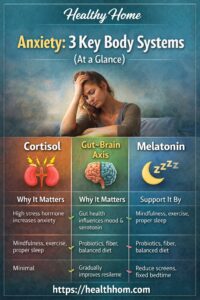
Anxiety: 3 Key Body Systems (At a Glance)
| System | Why It Matters | Support It By |
|---|---|---|
| Cortisol | High stress hormone increases anxiety | Mindfulness, exercise, proper sleep |
| Gut–Brain Axis | Gut health influences mood & serotonin | Probiotics, fiber, balanced diet |
| Melatonin | Poor sleep raises stress sensitivity | Reduce screens, fixed bedtime |
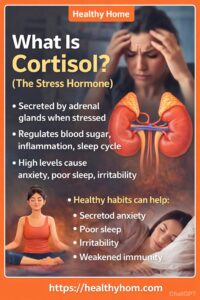
What Is Cortisol? (The Stress Hormone)
The hormone cortisol is secreted by adrenal glands when one is stressed. It is needed in the regulation of:
- Blood sugar levels
- Blood pressure
- Inflammation
- Sleep–wake cycle
- Energy production
Your body reacts to a stressful situation, triggering the so-called fight-or-flight mechanism, which elevates cortisol secretion. Short-term cortisol release is beneficial. Nevertheless, a continued high level of cortisol may be a contributory factor to:
- Increased anxiety
- Poor sleep
- Irritability
- Weakened immunity
Mindfulness, physical activity, and sleep are healthy habits that can be used to control cortisol naturally.
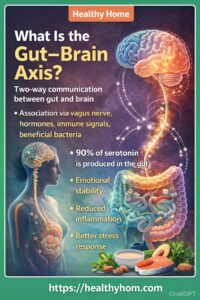
What Is the Gut–Brain Axis?
The gut-brain axis is a two-way form of communication between the gut and the brain. Such an association happens via:
- The vagus nerve
- Hormones
- Immune system signals
- Intestinal microorganisms (good bacteria)
Interestingly, approximately 90 percent of the serotonin (a neurotransmitter that controls mood) is manufactured in the gut. In case of a healthy gut flora, they promote:
- Emotional stability
- Reduced inflammation
- Better stress response
The gut health can be the cause of more anxiety symptoms due to inflammation and neurotransmitter disorders. That is why fiber-rich and probiotic-rich foods aid digestion and the psychological condition.
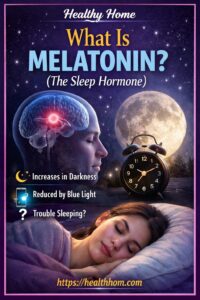
What Is Melatonin? (The Sleep Hormone)
Melatonin is a hormone that is synthesized by a gland in the brain called pineal. It regulates the internal clock (circadian rhythm) of your body and tells when you need to sleep.
- Melatonin production: Increases in darkness
- Reductions in bright light (that of screens, in particular blue light).
Low melatonin levels can cause:
- Difficulty falling asleep
- Intense frequent night awakenings.
- More anxiety caused by sleeplessness.
Healthy sleeping practices such as avoiding screen time before going to bed, ensuring you go to bed at the same time and keeping your room dark are effective in balancing melatonin.
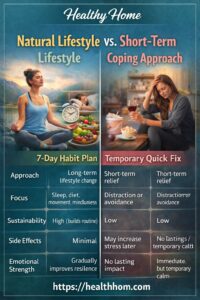
Natural Lifestyle vs. Short-Term Coping Approach
| Factor | Lifestyle Habits | Short-Term Coping |
|---|---|---|
| Focus | Long-term mental wellness | Immediate symptom relief |
| Examples | Exercise, sleep, mindfulness | Distraction, avoidance |
| Sustainability | High | Low |
| Routine building | Encourages consistency | Temporary |
| Overall impact | Supports daily wellbeing | Short-term comfort |
Source: American Psychological Association, 2023
When to Seek Professional Help
- Panic attacks
- Severe insomnia
- Suicidal thoughts
- Anxiety lasting > 2 weeks
If anxiety becomes severe, includes panic attacks or affects your daily functioning, consult a certified halthcare provider, psychologist, or psychiatrist immediately.
Weekly Mental Wellness Focus
| Day | Focus Area | Example Activity |
|---|---|---|
| Day 1 | Sleep reset | Fixed bedtime routine |
| Day 2 | Physical movement | Walking or yoga |
| Day 3 | Gut health | Balanced meals |
| Day 4 | Mindfulness | Meditation practice |
| Day 5 | Reduce stimulants | Limit caffeine |
| Day 6 | Nature & connection | Outdoor walk |
| Day 7 | Reflection | Weekly journaling |
Source: Harvard Health Lifestyle Medicine Review, 2023
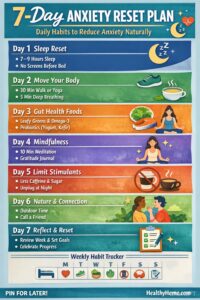
7-Day Anxiety Reset Plan (Printable Checklist + Science-Backed Routine)
Having stress issues, sleeplessness or worrying? The aim of this 7-day plan on emotional reset is to use evidence-based strategies in the form of lifestyle practices that allow the body to achieve a natural balance.
With the help of sleep, gut health, movement and mindfulness, you will be able to engage in calming your nervous system within one week.
- Print this checklist
- Follow daily
- Continue every week to ensure the long-term outcomes.
Why This 7-Day Plan Works
This routine supports:
- Stress hormone (cortisol) is in balance.
- Positive gut-brain axis interaction.
- Better sleep production of melatonin.
- Emotionally more controlled.
- Less hyper-reactivity of the nervous system.
Minor daily practices produce quantifiable changes in minor symptoms of anxiety.
7-Day Anxiety Reset Checklist
Day 1 – Sleep Reset (Regulate Cortisol & Melatonin)
- Sleep 7–9 hours
- Fixed bedtime & wake time
- No screens 1 hour before bed
- 15 minutes morning sunlight
Science Insight: Sleep events bring about regular sleep cycles and drop the surplus cortisol levels.
Day 2 – Movement Therapy
- 20–30 minutes brisk walking
- Light stretching or yoga
- 5 minutes deep breathing
Why it works: Exercise raises the level of serotonin and lowers the accumulation of stress hormone.
Day 3 – Gut Health Support
- Eat leafy greens
- 2 Include omega-3 (fish, walnuts, chia)
- Fermented food (curd, kefir, kimchi)
- Drink 6–8 glasses of water
Science Insight: The gut-brain axis enables gut bacteria to control mood and anxiety.
Day 4 – Mindfulness Reset
- 5–10 minutes meditation
- Practice 4-4-6 breathing
- Write 3 gratitude points
As to its usefulness: Mindfulness suppresses the overactivity of the amygdala and pacifies the nervous system.
Day 5 – Reduce Stimulants
- Limit caffeine
- Avoid excess sugar
- No late-night news scrolling
Science Insight: Stimulants are capable of increasing the amount of cortisol and aggravating anxiety symptoms.
Day 6 – Nature & Social Support
- Spend time outdoors
- Make a phone call or visit an encouraging person.
- Avoid isolation
The benefit of it is that social bonding reduces stress hormones and enhances resilience.
Day 7 – Weekly Reflection
- Anxiety triggers review.
- Schedule the sleeping schedule next week.
- Set one mental wellness goal
- Celebrate progress
Science Insight: Reflection helps the creation of emotional awareness and control of stress.
Weekly Habit Tracker (Printable Section)
| Habit | Mon | Tue | Wed | Thu | Fri | Sat | Sun |
|---|---|---|---|---|---|---|---|
| 7–9 hrs Sleep | ☐ | ☐ | ☐ | ☐ | ☐ | ☐ | ☐ |
| Exercise | ☐ | ☐ | ☐ | ☐ | ☐ | ☐ | ☐ |
| Mindfulness | ☐ | ☐ | ☐ | ☐ | ☐ | ☐ | ☐ |
| Gut-Friendly Meals | ☐ | ☐ | ☐ | ☐ | ☐ | ☐ | ☐ |
| Screen Control | ☐ | ☐ | ☐ | ☐ | ☐ | ☐ | ☐ |
Indications of When to seek professional help.
See a healthcare provider in case of:
- Anxiety disrupts daily life
- You develop panic attacks.
- The problem of sleep continues weeks. The symptoms are not improved with changes of the lifestyle.
Small Daily Habits for Mental Wellness
| Habit | Simple Action |
|---|---|
| Morning calm | 5 minutes breathing |
| Body movement | Short walk |
| Mind break | Limit phone use |
| Positive reflection | Gratitude journaling |
| Nature time | Outdoor sunlight |
Source: Harvard Health Publishing, 2023
Key message to Reduce Anxiety Naturally
Create an anti-anxiety lifestyle but not a band aid. Nutrition may not change the thoughts quickly.
When incorporated into everyday routine these 7 habits can transform your brain to be calm, boost your emotional strength and provide tranquility in your everyday life. You do not have to do all the 7 habits at the same time.
Begin by writing very few (may be two) of which you feel you can do today. With time they will establish the basis of a permanent solution.
FAQs:
Related Health Articles from Healthy Home :
- Plan to Sleep Like a Baby — design a restful sleep routine that mimics the deep, rejuvenating sleep of infants for better recovery and health.
- Sleep Music — use calming, slow-tempo music to improve sleep quality, reduce stress, and support your nightly rest. :contentReference[oaicite:0]{index=0}
- Outdoor Wellness & Nature — connect with nature to boost your mental well-being, reduce stress, and restore attention. :contentReference[oaicite:1]{index=1}
- Mindfulness and ADHD — explore mindful practices that help improve focus, emotional regulation, and calm in people with ADHD.
Trusted References and Research Sources:
- Six relaxation techniques to reduce stress – Harvard Health
- Natural Ways to Reduce Anxiety — practical strategies and lifestyle changes to help ease anxiety naturally. :contentReference[oaicite:0]{index=0}
- Natural Remedies for Anxiety — an exploration of herbal, dietary, and behavioral options for managing anxiety.
- Peer-Reviewed Study on Anxiety Disorders (PMC9500625) — detailed scientific research addressing anxiety, its mechanisms and treatment approaches.
- Anxiety Disorders – Cleveland Clinic — authoritative overview of anxiety disorders including symptoms, causes, and treatment options.
- ScienceDirect Article on Anxiety (S1043661822001499) — advanced research insights into anxiety and its broader health impacts.
- Spend Time in Nature to Reduce Stress and Anxiety — article by the American Heart Association highlighting nature’s role in calming the mind and body.
- Anxiety: Diagnosis & Treatment – Mayo Clinic — comprehensive guide from Mayo Clinic on how anxiety is identified and treated.
- Anxiety Disorders – World Health Organization Fact Sheet — global public health perspective on anxiety disorders from WHO.
- 16 Ways to Relieve Stress & Anxiety — actionable tips and techniques to calm both body and mind in everyday life.
Why You Can Trust This Guide
This article is:
- Written by an MPH public health professional
- Based on WHO & CDC-aligned lifestyle recommendations
- Supported by peer-reviewed research
- Regularly updated for accuracy
For more detail, please visit to my website as mentioned below:


About the Author – “Bibhu Ranjan Mund”, Master in Public Health (MPH) from IIHMR University, Jaipur (Rajasthan- IHMR-U/12/2021 -23/0015) has experience of 18 years in Public Health activities like maternal health, child health, adolescent health, nutrition and community wellness programs. Through “Healthy Home”, he shares evidence-based health and wellness guidance designed to support families in making informed lifestyle decisions. This content is for educational purposes only and does not replace professional medical advice. Connect LinkedIn – https://www.linkedin.com/in/bibhu-ranjan-mund-b72171358/