
Last Updated on March 22, 2026 by Bibhu Ranjan Mund, MPH
Discover 5 science-backed benefits of reducing salt and sugar intake, including heart health, weight control, energy and disease prevention.
Reviewed by Bibhu Ranjan Mund, MPH (Public Health Expert) with experience in maternal, infant, child, and adolescent health programs. Content is based on evidence-informed guidelines aligned with organizations such as the World Health Organization, UNICEF, Centers for Disease Control and Prevention, and National Institutes of Health.
Last reviewed on: 22 March 2026.
Medical Disclaimer: This content is for informational and educational purposes only and is not intended as medical advice, diagnosis, or treatment. Always seek the advice of a qualified healthcare professional regarding any medical condition or concerns.
Affiliate Disclosure: This article contains affiliate links. If you purchase through these links, we may earn a small commission at no extra cost to you.
Global Salt and Sugar Intake Snapshot
| Indicator | Estimate | Source | Year |
|---|---|---|---|
| Average global salt intake | ~10.8 g/day | World Health Organization | 2023 |
| WHO recommended sodium intake | < 2,000 mg/day | World Health Organization | 2023 |
| Global adults consuming excess sodium | ~90% | WHO Global Sodium Report | 2023 |
| Recommended added sugar intake | < 10% of daily calories | World Health Organization | 2022 |
| Preferred target for added sugar | < 5% of daily calories | WHO Nutrition Guideline | 2022 |
Quick Summary :
- High fat levels of salt and sugar are dangerous to the cause of heart disease, high blood pressure, diabetes and obesity.
- Reduced consumption is useful in enhancing cardiovascular health, weight management and metabolism.
- Less added sugar helps to avoid energy crashes, fatigue and insulin spikes.
- Reduction of salt helps in enhanced hydration and renal activity.
- Natural foods are more enjoyable due to taste
- Eating whole foods and cooking at home will prevent the invisible sodium and sugar.
- Gradual, even minimal decreases may demonstrate health gains in 2 -4 weeks.
- WHO suggests that sodium should be less than 2000 mg/day and the added sugar task be less than 5-10 percent of daily calories.
WHO suggests that sodium should be less than 2000 mg/day
| Nutrient | WHO Recommendation | Source | Year |
|---|---|---|---|
| Sodium | < 2,000 mg/day | WHO Sodium Guideline | 2023 |
| Salt equivalent | < 5 g/day | World Health Organization | 2023 |
| Added sugars | < 10% of total daily calories | WHO Nutrition Guideline | 2022 |
| Preferred added sugar target | < 5% of daily calories | WHO | 2022 |
Now a days, highly processed foods, quick meals and drinks packed with sugar rule our diets. We can have a challenge cutting down on salt and sugar in our diet. However, changing the diet can have very important benefits, all of which can be applied to nearly every part of our health. No matter if you want to stop chronic diseases, boost your energy or care for your body better, less salt and sugar can make a big difference.
Excessive salt in the diet plan contributes to high blood pressure which may cause challenges such as heart disease or stroke. Eating too much sugar is connected to obese, developing diabetes and liver problems.
Health Outcomes Associated With High Sodium and Sugar Intake
| Nutrient | Observed Association in Research | Source | Year |
|---|---|---|---|
| High sodium intake | Associated with elevated blood pressure risk | WHO Sodium Reduction Guideline | 2023 |
| Excess added sugar | Associated with weight gain and metabolic imbalance | Harvard T.H. Chan School of Public Health | 2022 |
| High sugar beverages | Linked with increased calorie intake | CDC Nutrition Reports | 2023 |
| High sodium processed foods | Associated with cardiovascular risk patterns | Global Burden of Disease Study | 2022 |
Consuming too many added sugars is considered a nutritional mistake. According to the WHO, the recommended limit of added sugar intake is no more than 5% and, preferably less than 10% of total daily calories. Raising your daily sugar intake can lead to higher weight, fatty liver, insulin resistance and triglyceride levels. It results in increased body inflammation and places people at greater risk for heart issues.
Now, we will discuss five benefits that making your diet lower in salt and sugar.
Potential Benefits of Reducing Salt and Sugar Intake
| Health Area | Possible Impact Observed in Research | Source | Year |
|---|---|---|---|
| Cardiovascular health | Associated with improved blood pressure control | WHO | 2023 |
| Body weight | Lower intake may reduce excess calorie consumption | Harvard Health | 2022 |
| Energy levels | Balanced blood glucose patterns | CDC Nutrition | 2023 |
| Kidney function | Lower sodium intake supports kidney workload balance | National Kidney Foundation | 2022 |
| Taste adaptation | Reduced exposure can improve sensitivity to natural flavors | NIH Nutrition Research | 2021 |
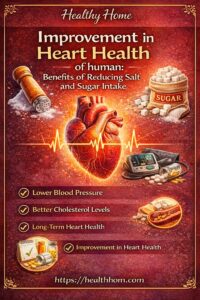
1. Improvement in Heart Health of human:
Heart Health is Better. High salt and sugar in our diet is a significant factor in cardiovascular disease which kills more people around the world than anything else. Once your sodium level is too high, this means that the blood pressure rises putting extra stress on the heart to pump the blood and eventually damaging the blood vessels. It becomes much more likely for people to experience heart attack, stroke and heart failure as a result. High sugar in your diet can result in weight gain, problems with insulin and higher triglyceride levels, all signs that raise your risk of heart disease.
Additionally, such a diet increases long-term inflammation that helps cause harm to the arteries. Less than a month of eating low salt and sugar can help lower your blood pressure, improve cholesterol and make your heart function more effectively. When you look long-term, following this can lower your risks of hypertension, arrhythmias and sudden heart attacks.
2. Body Weight:
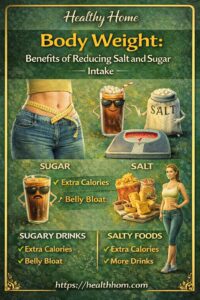
More effective weight control is significant because extra sugar and salt can add inches to your waist and damage your heart. Our bodies can use a little sugar, but it’s so easy to have too much since it is in foods such as drinks and snacks. Having drinks with liquid sugar isn’t very filling which means we tend to drink more when we have them.
Salt: On its own, sodium does not give you calories, but eating salty foods can cause you to want to eat and drink more than you need which causes you to consume extra calories, mainly when the drinks are sugary or contain alcohol.
When you reduce the size & what do you do?
Eating less sugar often helps you eat fewer calories and keeps your blood sugar steady which lessens your desire for unhealthy snacks and helps burn fat. Cutting back on salt helps get rid of belly bloat and makes you look slimmer. Each of the roads reduces the chances of becoming overweight and prefers the environment.
3. Improved Energy Levels:
Why it’s important:
Eating too many processed, sugary or salty foods may make blood sugar rise or leave the body lacking water, both cases can result in less energy, cloudy thinking and irritability. Having sugar can make you feel very active at some times and very tired at others. Regular spikes in insulin can cause you to feel constantly tired. Since dehydration can lead to tiredness and trouble concentrating, it is common though often not noticed as a reason for these issues.
What is the outcome when you limit them?
When you eat healthier foods with less processing and fill up on whole grains, fruits, lean meats and good fats, your body gets fuel it can use regularly. Therefore, you’re better able to handle your emotions, pay attention and avoid the highs and lows of refined sugar and salty foods.

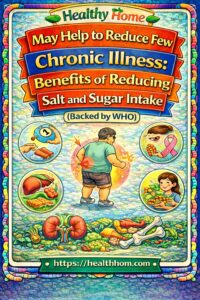
4. May Help to Reduce Few Chronic Illness:
Improved chances of reducing certain chronic conditions high levels of salt and sugars in food have been shown to raise the risk of Type 2 diabetes, kidney disease, osteoporosis and some types of cancer. High levels of sugar consumption cause problems in the pancreas that can bring about insulin resistance and diabetes. Being overweight or obese can raise your chances of liver disease, metabolic syndrome and cancer, with colorectal and breast cancer being important types to watch out for.
In addition to lifting blood pressure, eating a lot of salt may harm the kidneys, lead to fewer calcium levels and raise your risk of gastric cancer.
What is different when you diminish them?
Reducing your overall intake helps support your organs and what they naturally do. To illustrate, your kidneys become more capable of balancing fluids and electrolytes. More calcium is kept in your bones. Your pancreas won’t need to create higher than normal levels of insulin. You will be much less likely to develop serious and lasting health conditions.
5. Enjoying the food that you eat:
Improved taste and a better experience with food it matters because, our taste buds adjust to too much salt and sugar, so natural foods seem blander. Having too much salt in your meals can lessen the taste of fruits and vegetables which causes many to shun them.
What are the outcomes when you lower energy or food?
The flavor of fruits, herbs and vegetables is more enjoyable after natural agriculture is put into practice. Many people say, they are now finding joy in foods as they were previously thought were bland, so they need less seasoning and sugar to appreciate a meal.

What not to Find in the Supermarket:
Salt and sweets are often present in everyday foods.
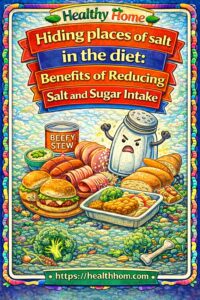
Hiding places of salt in the diet:
- Prepared soups in cans
- Items in this type of diet (ham, bacon, sausages)
- Breads with rolls
- Frozen meals
- Wed chicken meatballs be a recipe for tasty vinaigrets and sauces.
Hiding places of salt in the diet
| Food Category | Example Products | Source | Year |
|---|---|---|---|
| Processed meats | Bacon, sausages, ham | CDC Nutrition Data | 2023 |
| Packaged soups | Instant or canned soups | USDA Dietary Guidelines | 2022 |
| Bread and baked goods | Sandwich bread, rolls | WHO Sodium Report | 2023 |
| Frozen meals | Ready-to-eat meals | Harvard Health | 2022 |
| Condiments | Soy sauce, salad dressing | NIH Office of Dietary Supplements | 2022 |
Where Do Sugars Come From?
- Yogurts with sweet flavor
- Breakfast cereals
- Beverages that contain fruit juice and energy
- Granola and protein bars.
- Healthy smoothies
You should always read the ingredient list on everything before you buy or eat it.
Common Sources of Added Sugar in Diets
| Food Category | Example Products | Source | Year |
|---|---|---|---|
| Sugary beverages | Soda, energy drinks | CDC Nutrition Reports | 2023 |
| Breakfast cereals | Sweetened cereals | USDA Dietary Guidelines | 2022 |
| Flavored yogurt | Sweetened dairy products | Harvard Health | 2022 |
| Snack bars | Granola and protein bars | NIH Nutrition Reports | 2022 |
| Smoothies | Commercial sweetened smoothies | WHO Nutrition Guidance | 2022 |
Checking labels is the best tip:
Reading the labels on your foods enables you to choose healthy foods:
- The daily value is a simple way of knowing if you are getting enough. Keep your sodium and added sugar to less than 5% of your daily limit in each serving.
- Watch out for sugar in the given names sucrose, high-fructose corn syrup, maltodextrin or dextrose. Some of the additives you might find in your food are sodium chloride (salt), MSG or sodium bicarbonate (baking soda).
- What to Check: Look for “low sodium,” “no sugar,” “no added sugar” and “lightly salted.”
Understanding Food Labels for Sodium and Sugar
| Label Term | Meaning | Source | Year |
|---|---|---|---|
| Low sodium | ≤ 140 mg per serving | U.S. FDA Food Label Guide | 2023 |
| No added sugar | No sugars added during processing | FDA Nutrition Label Guide | 2023 |
| Reduced sodium | At least 25% less sodium than standard product | FDA | 2023 |
| Unsweetened | No added sweeteners | USDA Food Labeling Guidance | 2022 |
Swapping to these smarts really makes a difference
Trying to Reduce Salt:
- Add oregano, basil, rosemary, garlic, turmeric and chili flakes to your food.
- If it’s saltiness you want, replace the salt with lemon juice, lime juice or some vinegar.
- Choose cans that state they are low in sodium or choose those without it.
- Prepare your own stocks and sauces when it is possible for you.
Practical Substitutions to Reduce Salt and Sugar
| Instead of | Try This Alternative | Source | Year |
|---|---|---|---|
| Sugary drinks | Water or unsweetened tea | CDC Healthy Eating Guide | 2023 |
| Salty snacks | Unsalted nuts or roasted chickpeas | Harvard Nutrition Source | 2022 |
| Table sugar | Fruit puree or cinnamon | WHO Healthy Diet Guide | 2022 |
| Processed sauces | Homemade sauces with herbs | USDA Dietary Guidelines | 2022 |
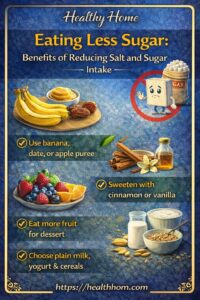
Eating Less Sugar:
- You eat natural options for sweetening your food are banana, date or apple puree.
- Sweet the food without sugar by adding a little cinnamon or vanilla.
- Eat some fruit instead of having a change of dishes
- Try to choose plain versions of almond milk, yogurt and cereals.
You may read the following article: Top 5 Anti-Aging Supplements – healthhom.com
Using Smaller quantities of Salt and Sugar to cook properly:
There are some examples of low-salt and low-sugar meals provided at the bottom of this page.
Breakfast:
- You can sprinkle berries over Greek yogurt, add chia seeds and (optional) add honey as the finishing touch.
- A simple combination of oatmeal, chopped or sliced banana and cinnamon
- Just herbal tea, un-sweetened or black coffee
Lunch time:
- Combined as a mixture of the greens, cherry tomatoes, cucumbers, grilled chicken, olive oil and vinegar
- Researchers believe that eating bread with hummus is good for you in the morning
Snacks:
- You can add a little stir in of some unsalted nuts.
- Apples or pears may take the place
Dinner:
- Salmon that is baked with lemons, garlic and dill
- May be Sweet potatoe, steamed broccoli etc.
- If you mix quinoa or brown rice with low-sodium broth, you will make a diet-friendly meal.

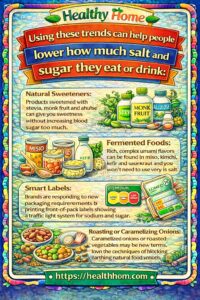
Using these trends can help people lower how much salt and sugar they eat or drink:
- Natural Sweeteners : Products sweetened with stevia, monk fruit and allulose can give you sweetness without increasing blood sugar too much.
- Fermented Foods: Rich, complex umami flavors can be found in miso, kimchi, kefir and sauerkraut and you won’t need to use very much salt.
- Smart Labels: Brands are responding to new packaging requirements by printing front-of-pack labels showing a traffic light system for sodium and sugar.
- Roasting or Caramelizing Onions: Caramelized onions or roasted vegetables may be new terms, they are techniques of unlocking already existing natural food flavors.
- Lower the salt: You’ll find more choices like roasted chickpeas, seaweed and air-popped popcorn to enjoy.
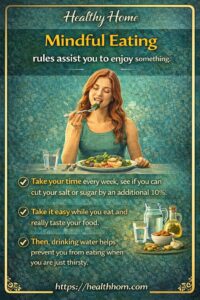
Mindful Eating rules assist you to find out what it means to enjoy something.
It is possible even to become accustomed to new tastes. Those who limit salt and sugar include have said that enjoying such foods feels stronger as time goes on. Foods that I thought tasted strange, begin to taste extremely good when I start detoxing.
The ways to make your food dishes more delicious:
- Take your time; every week, see if you can cut your salt or sugar by an additional 10%.
- Take it easy while you eat and really taste your food.
- Then, drinking water helps prevent you from eating when you are just thirsty.
- Making your own meals at home allows you to add less flavoring.
Salt & Sugar Intake: Quick Comparison:
| Area | High Intake | Reduced Intake |
|---|---|---|
| Heart Health | Raises BP & heart risk | Supports healthy BP & heart |
| Weight | Causes fat gain & bloating | Aids weight control |
| Energy | Leads to crashes & fatigue | Gives steady energy |
| Disease Risk | Increases diabetes & kidney risk | Lowers chronic disease risk |
| Taste | Dulls natural flavors | Enhances food enjoyment |
FAQs
Expert Insight:
WHO recommends keeping sodium intake below 2,000 mg per day and added sugars under 5–10% of total calories for optimal cardiometabolic health.
Lifestyle Strategies to Reduce Salt and Sugar Intake
| Strategy | Description | Source | Year |
|---|---|---|---|
| Home cooking | Allows better control of ingredients | WHO Healthy Diet Guideline | 2022 |
| Whole foods | Fruits, vegetables and whole grains | USDA Dietary Guidelines | 2022 |
| Reading labels | Helps identify hidden sugars and sodium | FDA | 2023 |
| Gradual reduction | Small changes improve adherence | Harvard Health | 2022 |
Take home message:
A Simple Modification with Big Results : You don’t just lower your risk of illness when you eat less salt and sugar, you also feel more vibrant. Looking forward to new generation: new kinds of food, better guidance on nutrition and useful labels make it easier to choose healthy eating. Making changes at home with your cooking, selecting healthy food at the store or slowing down when deciding what you really want to eat helps a lot.
Take care of it now:
- First, check how much salt and sugar you take in for a period of one week.
- Go for a whole food as a snack instead of eating something out of a package.
- Make a breakfast, lunch or dinner this week that contains less salt or sugar than usual.
Related Health Articles from Healthy Home
- Obesity prevention – best lifestyle habits – Healthy Home – Trusted Health Tips for Kids, Teens & Families (healthhom.com)
- How to know your Cholesterol level, BMI & BMR? – Healthy Home – Trusted Health Tips for Kids, Teens & Families (healthhom.com)
- What is a balanced daily meal plan? – Healthy Home – Trusted Health Tips for Kids, Teens & Families (healthhom.com)
- Prevention of Lifestyle Diseases by Annual Checkups – protect yourself – Healthy Home – Trusted Health Tips for Kids, Teens & Families (healthhom.com)
- Women’s wellness: Secret of holistic health for every woman – Healthy Home – Trusted Health Tips for Kids, Teens & Families (healthhom.com)
Trusted References and Research Sources:
- An unbiased, sustainable, evidence-informed Universal Food Guide: a timely template for national food guides – PMC
- Strategies for Reducing Salt and Sugar Intakes in Individuals at Increased Cardiometabolic Risk – PMC (nih.gov)
- Sodium reduction (who.int)
- Reducing Sugar and Salt – Harvard Health Publications – Harvard Health
- WHO EMRO – Nutrition
- How to cut back on sugar and salt – Harvard Health
- Massive efforts needed to reduce salt intake and protect lives (who.int)
For more detail, please visit to my website as mentioned below:


About the Author – “Bibhu Ranjan Mund”, Master in Public Health (MPH) from IIHMR University, Jaipur (Rajasthan- IHMR-U/12/2021 -23/0015) has experience of 18 years in Public Health activities like maternal health, child health, adolescent health, nutrition and community wellness programs. Through “Healthy Home”, he shares evidence-based health and wellness guidance designed to support families in making informed lifestyle decisions. This content is for educational purposes only and does not replace professional medical advice. Connect LinkedIn – https://www.linkedin.com/in/bibhu-ranjan-mund-b72171358/