
Last Updated on June 16, 2026 by Bibhu Ranjan Mund, MPH
Discover the complete women’s holistic wellness guide covering hormones, nutrition, mental health, preventive screenings & self-care tips for every age.
Reviewed by Bibhu Ranjan Mund, MPH (Public Health Expert) with experience in maternal, infant, child, and adolescent health programs. Content is based on evidence-informed guidelines aligned with organizations such as the World Health Organization, UNICEF, Centers for Disease Control and Prevention, and National Institutes of Health.
Medical Disclaimer: This content is for informational and educational purposes only and is not intended as medical advice, diagnosis, or treatment. Always seek the advice of a qualified healthcare professional regarding any medical condition or concerns.
As per the research of the World Health Organization (WHO, 2024), a significant proportion of women are experiencing hormonal, nutritional or mental health imbalance during their lifetime and most of them are unnoticed or untreated.
The real picture is:
Women’s health is not only about preventing disease. But, it’s about the balancing of hormones, managing stress, nourishing the body and protecting mental well-being etc.
Still, in today’s fast-going modern world, most women:
- Prioritize family health instead of their own health
- Ignore the early warning signs like fatigue, mood swings, or irregular cycles
- Seek medical help only after symptoms become severe.
But, please think yourself that, can a disease be controlled at an alarming stage? Hence, you must a complete knowledge of understanding your body at every stage of life.
Now there the need of Holistic Wellness.
Study report of the National Institutes of Health (NIH, 2023) shows that, women who actually follow a holistic approach i.e. combining nutrition, hormonal care, mental wellness and preventive screening, are associated with lower risk of chronic diseases and better quality of life.
This article is prepared to help you:
- Understand your body across different life stages
- Balance hormones naturally
- Build strong physical and emotional health
- Prevent diseases before they start
Because a true wellness is not just living longer, but it means a healthier, happier life under your own control.
A Story Seen in Many Indian Homes
During my community health discussion in Koraput (Odisha), once a 38 years old mother shared that she is experiencing headache, fatigue, irregular periods for last one year. Like others, she thought that it’s normal for her household activities, sparing time for children and busy schedules.
After she attended a health camp conducted by nearby Govt. facility, she was found with severe iron deficiency anemia & thyroid dysfunction.
She had ignored the warning signs and only prioritize other works other than her own health.
These types of situation occurring throughout India where many women seek medical help only after appearing of symptom and affecting their daily activities.
Holistic wellness starts much earlier period of every women. So, a small changes in the body requires attention before any major critical problems appear.
What is Women’s wellness ?
It means a balanced approach to physical, hormonal, mental, and emotional health across all life stages.
Quick Summary:
- Women wellness includes the physical, hormonal, mental, emotional and spiritual wellness.
- The basis is exercising, healthy diet, proper hydration and sleep of 7-8 hours.
- Hormones are balanced by following the menstrual cycles and stress control.
- According to age of women, it is imperative to have preventive screenings (Pap smear, mammogram, thyroid, blood tests).
- Self-care, relationships and mindful existence enhance the well-being.
- Self-care is a long term health and happiness requirement, it is not a luxury but a need.
1. Physical Women’s wellness: The foundation of a healthy life.
Physical wellness begins with the functioning of the body and taking care on a daily basis. Daily workouts, healthy eating and sleep are the foundation of overall health of a woman.
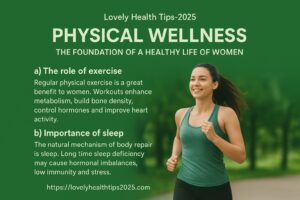
a) The role of exercise
Regular physical exercise is a great benefit to women. Workouts enhance metabolism, build bone density, control hormones and improve heart activity.
Key recommendations:
- Goal of 150 minutes of moderate exercises or 75 minutes of vigorous exercise per week.
- Take strength training two times per week to avoid osteoporosis.
- Flexibility and stress relief
- Be flexible with yoga.
- Walking, dancing and doing various housekeeping works may help in general fitness.
Regular physical activity like a morning walk improves heart health
b) Importance of sleep
The natural mechanism of body repair is sleep. Long time sleep deficiency may cause hormonal imbalances, low immunity and stress. Women, particularly during the menstrual periods or menopause, might have sleep disorder because of the hormonal changes. Regular sleeping, reduced screen time before sleep and a relaxing atmosphere may be helpful to regain the lost sleep.
Understanding your body metrics like BMI, metabolism, and cholesterol levels is the key, learn how to check and manage them effectively in this detailed guide.
Public Health Observation:
During my working under maternal and community health programs in Odisha, I have observed that many women have the awareness about the healthy eating & exercise, but very few of them prioritize these for themselves.
Common statements by them:
- “I will do the test later.”
- “My family comes first.”
- “I don’t have time to exercise.”
- “I thought the weakness was normal.”
Such beliefs sometimes delay in diagnosis of anemia, thyroid disorders, diabetes and some hormonal problems.
In reality, taking care of own health is also caring for the family. A healthy mother, daughter or caregiver actually strengthen the health of the entire family.
2. Hormonal balance and reproductive health of women:
Hormones control the metabolism, mood as well as reproductive cycles. This balance is easily upset by the management of stress, unhealthy eating, and insomnia.
- Acute or may be chronic endocrine disorders.
- Hormonal and Reproductive Health
Hormones may be essential for the control of metabolism, mood and reproductive cycles. But these days, lifestyle, stress and inappropriate diets can simply upset hormonal balance.
a) Menstrual Health
Following the menstrual cycle will make women learn about the rhythm of the body and indicate possible signs of hormonal disruptions. Painful times, irregular cycles or heavy bleeding should not be overlooked because they may be the symptoms of such conditions as PCOS (Polycystic Ovary Syndrome) or endometriosis.
b) Maternity and health of mother.
The changes experienced by the body during pregnancy require more nutritional care, hydration and rest. Iron, folate, calcium and omega-3 fatty acids are the main nutrients that supplement the health of the mother and the fetus. The postpartum recovery is also a vital factor – the women must be given emotional support, physical rest and a balanced diet to recover the strength.
Planning for a healthy pregnancy starts early, read this complete pre-pregnancy planning guide for women.
Postpartum nutrition and infant feeding are crucial, explore the right food supplementation practices for babies after 6 months.
c) Menopause and beyond
Menopause becomes the termination of the reproductive life but it is the commencement of another era in the life of a woman. Lifestyle interventions can be used to address such symptoms, as a hot flash, sleep disturbances and mood variations.
- Healthy diet (large portions of phytoestrogens-rich foods like soy, flaxseeds, legumes etc.)
- Frequent physical activity and mental health.
- Doctor visit, in case of hormone replacement therapy.
Hormonal imbalance often reflects through skin issues, explore natural remedies for hormonal acne and skin health.
3. Nutrition for Women: Essential Foods for Hormonal Balance
Nutrition plays a key role hormonal balance in every women. Each phase of life, adolescence and post-menopause, requires certain nutrients to support in growth, hormone and longevity.
a) Core nutrients for women
Below is the table for core nutrients for women:
| Nutrient | Function | Sources |
|---|---|---|
| Iron | Prevents anemia | Spinach, lentils |
| Calcium + Vitamin D | Strengthens bones | Dairy, sesame seeds |
| Folate | Supports pregnancy | Green leafy vegetables |
| Omega-“3” | Heart & brain health – | Flaxseeds, fish etc. |
| Antioxidants | Reduce aging aagent | Berries, colorful veggies etc. |
b) Balanced eating habits
Have a rainbow plate which means to prepare your food with colorful vegetables, fruits, whole grains, low-protein and good fats. Limit caffeine, processed food and sugary snacks which may cause energy lowering and hormonal imbalance.
It is also important to be hydrated. Most of the women are not drinking sufficient water as per their requirements. One should target at least 2 to 2.5 liters of water every day, depending on the activity and weather conditions.
Including anti-inflammatory foods in your diet helps to balance hormones and reduce chronic disease risk, discover the best foods to eat daily.
Nutrition Challenges in Indian Families:
In India, there is tradition of eating at last by the women after all the family members taken their meal.
Such habit sometimes lead to in-adquate intake of:
- Iron
- Protein
- Calcium
- Vitamin B12
Example:
A woman may prepare eggs, milk, fruits and nutritious foods for children & her husband, but consume only tea and biscuits by herself during busy mornings.
Subsequently, this types of practice may contribute to the fatigue, anemia, poor immunity and hormonal issues.
So, the practical solution is to prepare family meals in a such way that every member including the woman who manage the house also receives the balanced nutrition.
4. Emotional strength and intelligence.
Mental health of women is closely related to hormonal changes, life schedules and social stressors. Women who try to focus both personal and family needs, become more hard working, anxious, depressed and experienced burnout. Mental exhaustion like feelings of inability, frustration etc. also a major part.
a) The mental fatigue
Symptoms of emotional strain are common which includes irritability, mood swings, inability to concentrate and sleeping difficulties. Awareness is the initial process of healing.
b) Practices of emotional self-care.
- Mindfulness & Meditation: Mindfulness every day lowers the level of anxiety and enhances concentration.
- Journaling: Notes help as a means of self-disclosure and self-understanding.
- Social Interaction: Spending time with the friends or relatives who are supportive will help to feel more resilient emotionally.
- Professional Assistance: It is a symbol of power and not a sign of weakness.
c) Work-life balance
It is necessary to establish limits. You should also know how to say no when overloaded. Focus on priorities and outsource if feasible. Having a balanced schedule will minimize stress and will give one time to rest and recreation.
Simple mindfulness practices can improve emotional health for both women and families, try these quick daily exercises.
When Emotional Exhaustion Unnoticed
Many Indian women, don’t express their stress before family members and just say;
- “I am just tired.”
- “I get irritated easily nowadays.”
- “I don’t enjoy things like before.”
- “I feel exhausted even after sleeping.”
Above answers sometimes may be the early signs of emotional issue rather than physical illness.
During my community discussions, mothers also informs their feeling guilty about taking time for themselves. Emotional wellness is an essential part of maintaining a long-term family health.
5. Preventive Health: Earliest Diagnosis may Save Life.
Preventive care will enable women to monitor and address health complications at their early stages.
Important Female Examinations. Even in cases where one feels well, annual health checkups would make sure that problems such as diabetes, high blood pressure, or thyroid problems can be addressed at an early stage
| Age Range | Key Tests & Screenings |
|---|---|
| 20s to 30s | Pap smear after every 3 years, breast self-exam every month |
| 40s to 50s | Mammogram once in 1–2 years, blood sugar and cholesterol screening |
| 50 & above | Bone density test, colon cancer test, thyroid check etc. |
Regular preventive screening is essential for women at every stage, read our complete guide on annual health checkups for early detection and prevention of lifestyle diseases.
Vaccinations
Vaccines against HPV, influenza and tetanus boosters should be up-to-date among the females to avoid infections that can have long-term effects on health
Real-Life Example of Early Detection
A women may feel herself healthy, but may have early hypertension, diabetes, thyroid issues or any cervical abnormalities.
These confirm when they go for routine screening at camps and found increased blood sugar but having no symptoms earlier. So, without any screening or test such types of conditions can’t be diagnosed for years.
This is the actual reason we should focus on preventive health which may the investment in future health.
6. The wellness of the social environment
Wellness is not only about the individual but also about her relationships, community and the environment.
a) Healthy relationships
Good social ties help to ward off loneliness and stress. It has the ability to communicate freely with partners, family and friends, which result in emotional security.
b) Safe environment
Physical well-being is enhanced by a clean and toxin-free home and work place. Do not be exposed to toxic substances in cosmetics and plastics. Use natural substitutes which are eco-friendly.
A mother’s wellness directly impacts her child’s growth, read this complete guide on child health and development.
7. Spiritual wellness
Spiritual wellness is not limited to religion, it is purpose, gratitude and inner peace. Yoga, deep breathing, prayer or spending time in nature practices are more effective towards enhancing mindfulness and self-awareness. They are used to make women re-align their values and create resilience in their lives when faced with difficulties
8. The Importance of Rest and Rejuvenation
It is an ideal to take rest. Present women tend to go up-to maximum level without taking a break. Short breaks, recreational activities, listening to music or having some quiet time by herself are some of the ways of re-energizing the mind and body.
Mindful relaxation can be achieved with the help of regular self-care rituals, such as a warm bath, a skincare routine or reading before bed.
9. Holistic Wellness & technology
Modern technologies will enable women to track and enhance their health:
- Cyclical period tracking
- Sleep monitoring & fitness trackers.
- Remote visits to achieve convenient care.
- Technology makes women be knowledgeable and active in choosing health conscious activities.
10. Women’s Holistic Wellness – Recap
Every wellness is holistic – it is not just referring to the physical health only but also the mental, emotional and spiritual enrichment. A woman, who listens to her body, respects her feelings and defines boundaries, brings balance in every field of her life.
The holistic wellness model comprises of:
- Consumption of clean and natural foods.
- Practicing daily gratitude
- Staying physically active
- The aspect of lifelong learning.
- Harvesting relationships that empower and enhance development.
Women Wellness by Age Group Table
| Age | Focus Area |
|---|---|
| 20s | Iron, menstrual health |
| 30s | Thyroid, stress |
| 40s | Mammogram, metabolism |
| 50+ | Bone density, menopause |
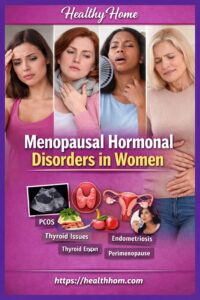
Menopausal Hormonal Disorders in Women
Hormones also control metabolism, mood, menstrual cycles, fertility, bone health and the level of energy. Even small imbalances will influence the general well being. Some of the most frequent hormonal conditions in women in various phases of life are discussed below.
1. The Polycystic Ovary Syndrome (PCOS)
Polycystic ovary syndrome is an endocrine problem that has prevailed among women in the reproductive age.
What happens?
PCOS is a condition that takes place due to inappropriate secretions of androgens (male hormones) by the ovaries that might interfere with ovulation.
Common symptoms:
- Irregular or missed periods
- Excess facial or body hair
- Acne or oily skin
- Excessive weight gain or the loss.
- Fertility challenges
Why it matters:
The risk of insulin resistance, type 2 diabetes and cardiovascular problems can be increased once PCOS is not controlled.
Supportive lifestyle approaches:
- Balanced, low-glycemic diet
- Regular physical activity
- Weight management
- Diagnosis and individual therapy.
Early screening is also vital particularly in cases where menstrual cycles are irregular.
2. Thyroid Disorders
A thyroid gland regulates the metabolism, energy and temperature. When hormones are either excessively high or excessively low, then there are disorders.
a) Hypothyroidism (Underactive Thyroid)
Hypothyroidism is an ailment of the thyroid gland that generates inadequate hormones.
Symptoms may include:
- Fatigue
- Weight gain
- Dry skin
- Hair thinning
- Depression
- Irregular periods
b) Hyperthyroidism (Overactive Thyroid)
Hyperthyroidism occurs when excess production of thyroid is produced.
Symptoms may include:
- Rapid heartbeat
- Anxiety or irritability
- Unexplained weight loss
- Heat intolerance
- Sleep disturbances
Why it matters:
Women are more prone to thyroid disorders and these disorders may impair their fertility, pregnancy and heart conditions.
Thyroid screening (TSH test) is commonly suggested on a regular basis particularly if any symptom arises.
3. Endometriosis
Endometriosis is a long-term illness in which the same tissue as the uterine one is developed extra-uterine.
Common symptoms:
- Severe menstrual cramps
- Chronic pelvic pain
- Pain during intercourse
- Heavy menstrual bleeding
- Infertility
Why it matters:
Endometriosis may have severe effects on the quality of life and mental health.
Symptoms can be managed with early diagnosis and treatment plans (medical or surgical) designed individually to preserve the fertility.
4. Perimenopause
Peri menopause refers to the period preceding menopause and usually begins in the 40s though there are instances of it beginning early.
What happens?
The estrogens are not predictable in their levels and they cause irregular cycles as well as other symptoms.
Common symptoms:
- Irregular periods
- Hot flashes
- Night sweats
- Mood swings
- Sleep disturbances
- Brain fog
Why it matters:
This period can take a number of years before menopause. Quality of life can be enhanced by lifestyle support, stress management and medical consultation on regular basis.
When to Seek Medical Advice
Consult a health facility worker in case you have:
- Constant cycle abnormalities.
- Severe pelvic pain
- Sudden weight changes
- Extreme fatigue
- Disturbed moods in day-to-day living.
When diagnosed early, the disease is easier to handle and prevents the complications associated with it in the long term.
Gut health plays a critical role in hormonal balance, follow this 7-day gut reset plan to support digestion and overall wellness.
Hormonal Disorders in Women – Quick Comparison
| Condition | Main Issue | Key Symptoms | When to Consult |
|---|---|---|---|
| Polycystic Ovary Syndrome (PCOS) | High androgens, irregular ovulation | Irregular periods, acne, excess hair, weight gain | Missed cycles >3 months or fertility concerns |
| Hypothyroidism | Low thyroid hormone | Fatigue, weight gain, dry skin, depression | Persistent fatigue or sudden weight gain |
| Hyperthyroidism | Excess thyroid hormone | Rapid heartbeat, anxiety, weight loss | Palpitations or unexplained weight loss |
| Endometriosis | Uterine-like tissue outside uterus | Severe menstrual pain, heavy bleeding | Period pain affecting daily life |
| Perimenopause | Fluctuating estrogen | Hot flashes, mood swings, irregular periods | Symptoms disrupting sleep or work |
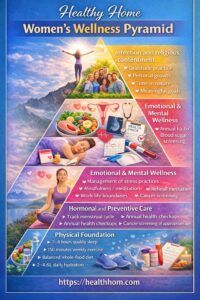
Wellness Pyramid for Women
Base Layer: Physical Foundation
- 7–8 hours quality sleep
- 150 minutes weekly exercise
- Balanced whole-food diet
- 2–2.5L daily hydration
Quality sleep plays a major role in hormonal balance, follow this proven sleep optimization guide to restore your body naturally.
Hormonal and Preventive Care, 2nd level.
- Track menstrual cycle
- Annual health checkups
- Blood sugar screening
- Thyroid screening
- Cancer screening of appropriate age.
Hormonal balance helps in maintaining a healthy metabolism, mood and reproductive health.
Third Layer: Emotional & Mental Wellness
- Management of stress practices.
- Mindfulness / meditation
- Journaling
- Work-life boundaries
Emotional strength safeguards the health in the long term.
Fourth Layer: Social and Environmental Wellness.
- Healthy relationships
- Safe home environment
- Reduced toxin exposure
- Community engagement
Top Layer : Intention and religious contentment.
- Gratitude practice
- Personal growth
- Time in nature
- Meaningful goals
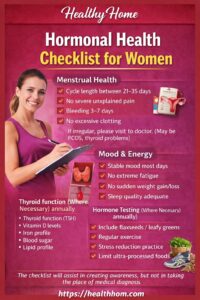
Hormonal Health Checklist for Women
Menstrual Health
- Cycle length between 21–35 days
- No severe unexplained pain
- Bleeding 3–7 days
- No excessive clotting
If irregular, please visit to doctor. (May be PCOS, thyroid problems)
Mood & Energy
- Stable mood most days
- No extreme fatigue
- No sudden weight gain/loss
- Sleep quality adequate
Hormone Testing (Where Necessary) annually.
- Thyroid function (TSH)
- Vitamin D levels
- Iron profile
- Blood sugar
- Lipid profile
Natural Support Habits
- Include flaxseeds / leafy greens.
- Regular exercise
- Stress reduction practice
- Limit ultra-processed foods
The checklist will assist in creating awareness, but not in taking the place of medical diagnosis.
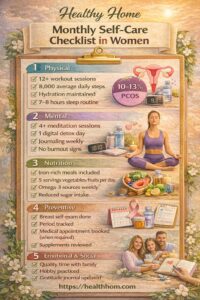
Monthly Self-Care Checklist in Women
Physical
- 12+ workout sessions
- 8,000 average daily steps
- Hydration maintained
- 7–8 hours sleep routine
Mental
- 4+ meditation sessions
- 1 digital detox day
- Journaling weekly
- No burnout signs
Nutrition
- Iron-rich meals included
- 5 servings vegetables/fruits per day.
- Omega-3 sources weekly
- Reduced sugar intake
Preventive
- Breast self-exam done
- Period tracked
- Medical appointment booked (when required)
- Supplements reviewed
Emotional & Social
- Quality time with family
- Hobby practiced
- Gratitude journal updated
- Personal boundary respected.
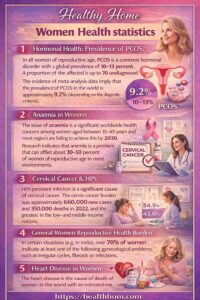
Women Health statistics
1. Hormonal Health: Prevalence of PCOS.
- In all women of reproductive age, PCOS is a common hormonal disorder with a global prevalence of 10-13 percent. It may goes up-to 70% if un-diagnosed.
- The evidence of meta-analysis data imply that the prevalence of PCOS in the world is approximately 9.2% (depending on the diagnostic criteria).
If a women’s health clinic sees 100 women of reproductive age, approximately 9–13 women may have PCOS, depending on the population and diagnostic criteria used. As many cases are not diagnosed, women should focus on early recognition to irregular periods, acne and weight changes.
2. Anaemia in Women
- The issue of anaemia is a significant worldwide health concern among women aged between 15-49 years and most regions are failing to achieve this by 2030.
- Research indicates that anemia is a problem that can afflict about 30-50 percent of women of reproductive age.
3. Cervical Cancer & HPV
- HPV persistent infection is a significant cause of cervical cancer. In women of 50 years and older with abnormal screening outcomes worldwide, 54.5 per cent had any-HPV and 43.0 per cent had high-risk HPV.
- The cervix cancer burden was approximately 660,000 new cases and 350,000 deaths in 2022, and the greatest in the low- and middle-income nations.
4. General Women Reproductive Health Burden.
- In certain situations (e.g., in India), over 70% of women indicate at least one of the following gynecological problems such as irregular cycles, fibroids or infections.
5. Heart Disease in Women
- The heart disease is the cause of death of women in the world with an estimated 01 out of 03 women dying.
Women’s Health Data Snapshot (2026 Global Overview)
| Condition | Global Prevalence | Key Risk Group |
|---|---|---|
| PCOS | ~9–13% | 15–35 yrs |
| Anaemia | 30–50% | Reproductive age |
| Cervical Cancer | 660,000 cases (2022) | 30+ |
| Heart Disease | 1 in 3 deaths | 40+ |
My Perspective
After 18 years of working in public health, I observe on the of the most misconception for women’s health that wellness means waiting till any major symptom or any critical condition appears.
But, true wellness is proactive. The women who actually maintain a long-term health not take any drastic lifestyle change, but they consistently follow just simple habits like:
- Regular walking
- Balanced meals
- Adequate sleep
- Periodic health check-ups
- Stress management
So, small good actions continuously doing for many years, may have a greater benefits than one short decision for a single time.
When Should a Woman Consult a Doctor Immediately?
- Heavy menstrual bleeding
- Sudden weight changes
- Breast lumps
- Severe pelvic pain
- Persistent fatigue
- Postmenopausal bleeding
Key Takeaways
- Holistic wellness incorporates physical, hormonal, mental, and emotional wellness.
- The principles are exercise, proper dieting, and sleep.
- The stress, diet and lifestyle affect hormonal balance.
- Preventative screening is used to identify health problems at an early stage.
- Although self-care is a necessity, not a luxury.
Quick Tips:
- Remain active and take at least 30 minutes of physical activity every day.
- Consume iron and calcium food regularly.
- Stress management is recommended through Yoga, medication etc.
- Arrange health checkups and screenings on an annual basis.
What should I do tomorrow? 10-Minute Wellness Start Plan.
You don’t need to change everything at once. Start with these simple actions:
- Drink a glass of water after waking up.
- Eat a protein-rich breakfast.
- Walk for 15–20 minutes.
- Spend 5 minutes in deep breathing or prayer.
- Schedule one overdue health check-up.
- Sleep 30 minutes earlier tonight.
Small daily actions often create bigger health improvements than occasional major efforts.
5 Common Wellness Mistakes Women Make
- Ignoring persistent fatigue.
- Skipping meals and relying on tea.
- Delaying preventive health check-ups.
- Prioritizing everyone else’s health while neglecting their own.
- Assuming stress symptoms are normal.
Concluding points for Women’s Holistic Wellness
Actually, journey of every women’s health evolves with every stage of life, not a single phase to focus.
Starting from hormonal changes to emotional changes or from nutrition to preventive care, every small thing of today shapes their future health.
The true fact is that, the most serious health issues don’t appear at a sudden, but it built silently in the body ignoring symptoms and delayed care.
But the real important and good news is:
As per the global public health research (WHO, 2023), many lifestyle and hormonal health issues in women may be prevented or managed early through awareness and simple lifestyle changes.
You don’t need any perfection, but only the consistency may improve the thing.
- Listening to your body
- Nourishing it with the right food
- Prioritizing mental and emotional well-being
- Visiting for regular health checkups
If you thinking that self-care is selfish, it’s not correct., Now a days self-care is an essential part of life.
So start a small step today:
- Take one step toward better nutrition
- One step toward mental peace
- One step toward preventive care
“Preventive screening and early lifestyle intervention can reduce long-term disease burden in women by over 40%.”
— Public Health Perspective
You may also read our other health related topics here:
- Top 5 Anti-Aging Supplements
A review of science-backed supplements that support skin health, cellular repair, and slower aging. - Cooking Tips for Pregnant Women
Safe and nutritious cooking practices to support maternal health and healthy fetal development. - Pre-Pregnancy Planning for Women
Essential steps for women preparing for pregnancy, including nutrition, lifestyle, and medical care. - Early Childhood Development
A guide to the key milestones, cognitive growth, and physical development in the first years of life.
Evidence Sources Used in This Guide
- WHO Women’s Health Reports
- UNICEF Maternal Health Resources
- NIH Office of Research on Women’s Health
- CDC Women’s Health Program
- Harvard Health Publishing
- The Lancet Global Health
- Women’s Preventive Services Initiative
Reference from different trusted sources :
- Women’s health
- All Women’s Health Articles | Page 1 – Harvard Health
- And Still She Rises: Policies for Improving Women’s Health for a More Equitable Post-Pandemic World – PMC
- Building a healthier world by women and for women is key to achieving gender equality
- Women’s and girls’ health throughout the life course
- Women’s Health Information: Everything You Need to Know
- New Directions For Women’s Health: Expanding Understanding, Improving Research, Addressing Workforce Limitations – PubMed
- Women’s Preventive Services Initiative’s Well-Woman Chart: A Summary of Preventive Health Recommendations for Women – PubMed
- The Women’s Preventive Services Initiative Well-Woman Chart: A Helpful Tool for the Practice of Internal Medicine – The American Journal of Medicine
- Understanding progress and challenges in women’s health and wellbeing in exemplar countries: a time-series study identifying positive outliers – The Lancet Global Health
FAQs:
Q1. What is holistic wellness to women?
Ans. The body, mind and emotions of women are to be taken care. It encompasses healthy diet, physical activity, coping with stress, getting adequate sleep and staying emotionally healthy, not being sick.
Q2. What are the basic health tips for a woman?
Ans. To remain healthy at any age, women are advised to ensure having a nutrient-rich diet, exercise every day, reduce stress levels by practicing yoga or meditating, sleep well and have regular health checkups.
Q3. What is the frequency of the health checkups done by women?
Ans. Females are expected to see their physician at least twice in a year as a general check up. Such checkups as paps, breast examination, thyroid analysis and bone density are others depending on age and family history.
Q4. What is the natural way of balancing hormones in women?
Ans. Balance in food, rest, exercise, alleviating stress, avoiding caffeine or processed foodstuffs can be used to sustain healthy hormone levels. Flaxseeds, soy and leafy greens are particularly useful food.
Q5. What is the impact of mental health on the wellness of women?
Ans. Mental health is very important in the wellness of women. Sleep hormones and immunity may be disturbed with chronic stress or any type of anxiety. Emotional balance can be attained through such practices as mindfulness, journaling, yoga or spending time in the nature.
Q6. Which are some of the daily healthy habits?
Ans. Eat fresh, home-cooked meals. Stay physically active. Drink enough water. Sleep 7–8 hours. Avoid smoking or alcoholism. Learn to avoid stress and relax every day.
Q7. What is the importance of self-care among women?
Ans. Self care enables women to revive both physically and mentally fit. Personal health, hobbies and rest will help to avoid burnout and enhance the capacity to manage the family and working duties.


About the Author – “Bibhu Ranjan Mund”, Master in Public Health (MPH) from IIHMR University, Jaipur (Rajasthan) has more than 18 years of experience in Public Health activities in maternal health, child health, adolescent health, nutrition and community wellness programs under National Health Mission, Health & Family Welfare Department, Odisha. He is the founder of “Healthy Home” and translates the evidence based public health information into a practical source so that families may able to apply in everyday life. All the information are for educational purposes only and not replaces the professional medical advice. ORCID Researcher ID – 0009-0003-0158-4992. Connect LinkedIn – https://www.linkedin.com/in/bibhu-ranjan-mund-b72171358/