100 Fatty Liver Disease FAQs: Symptoms, Causes, Diet, Treatment & Prevention
Get evidence-based answers to 100 common fatty liver disease FAQs, including symptoms, causes, diagnosis, diet, treatment, prevention, and recovery.
Reviewed by Bibhu Ranjan Mund, MPH (Public Health Expert) with more than 18 years of experience in maternal, infant, child and adolescent health programs. Content is based on evidence-informed guidelines aligned with organizations such as the World Health Organization, UNICEF, Centers for Disease Control and Prevention and National Institutes of Health.
Medical Disclaimer: This content is for informational and educational purposes only and is not intended as medical advice, diagnosis, or treatment. Always seek the advice of a qualified healthcare professional regarding any medical condition or concerns.
Quick Summary:
- Fatty liver disease occurs when excess fat builds up in the liver, it may not show any early symptoms.
- It is mainly linked with obesity, type 2 diabetes, insulin resistance and metabolic syndrome.
- Early diagnosis through blood tests, ultrasound or FibroScan® can help to prevent any serious complications.
- Healthy balanced eating, regular physical activity and gradual weight loss are the key points for treatments.
- Limiting added sugars, alcohol and ultra-processed foods supports a better liver health.
- Regular medical follow-up and management of diabetes, cholesterol and blood pressure are required for a good liver health.
Fatty Liver Disease at a Glance
- It affects around 30% of adults worldwide.
- Also now increasing rapidly among children.
- Closely linked to obesity.
- 70% of people with Type 2 Diabetes have fatty liver.
- Early stages are often reversible.
- Cardiovascular disease is the leading cause of death.
- 5–10% weight loss helps to improve.
- Walking 30 minutes/day can help.
Author’s Public Health Perspective
During my public health work throughout Odisha, I have observed that many people are diagnosed the fatty liver disease if they do health check-ups as there may not be any symptoms in initial stage of disease. So, to avoid such disease and improve the liver health, one must have simple lifestyle changes like a healthy, balanced diet, regular walking schedule and proper weight management.
Introduction:
Fatty liver disease now affects about one in three adults worldwide. Still, many people don’t know they have it because symptoms may be silent in the early stages. Without initiation of treatment at an early stage, it can progress to liver damage, cirrhosis and even cancer. But, an important point is that this disease is a preventable one can reverse liver fat in many people.
This article answers on 100 Fatty Liver Disease FAQs which will help you to understand the symptoms, causes, diagnosis, diet, treatment, prevention and recovery of fatty liver disease using evidence-based information.
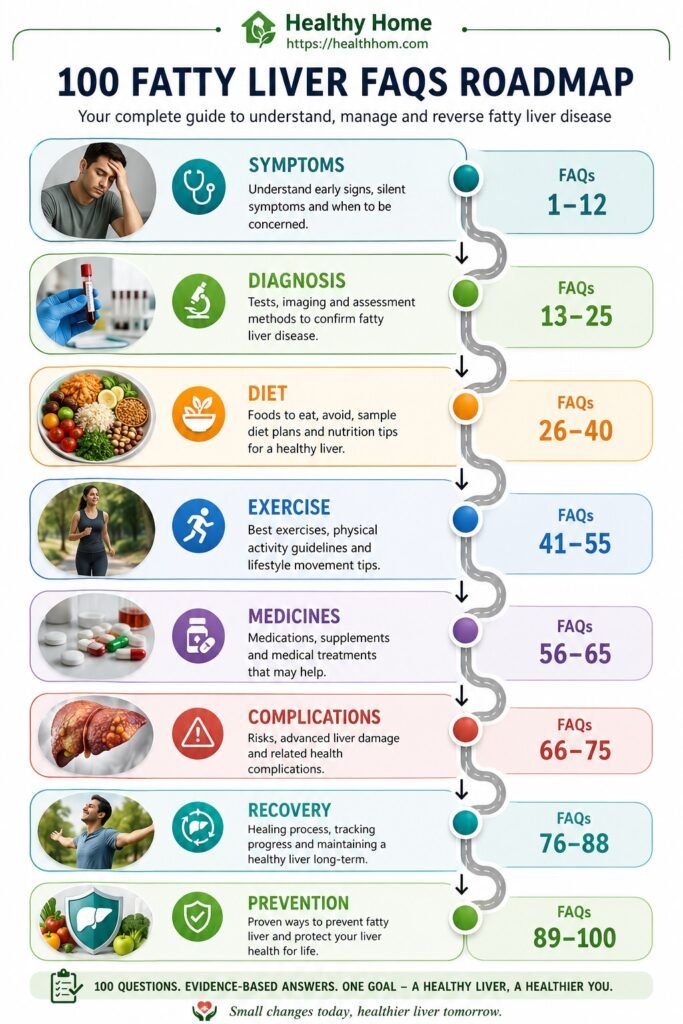
100 Fatty Liver Disease FAQs:
Following are the component wise FAQs.
Introduction & Basics FAQs
FAQ 1. What is fatty liver disease?
Fatty liver disease occurs when excess fat accumulates in the liver. Small amounts of fat are normal, but when when too much fat builds up inside the liver, it can interfere with normal liver function. The condition may be related to metabolic dysfunction (MASLD), alcohol use, medications or less common medical conditions. Many people have no symptoms at an early stages.
FAQ 2. What is the difference between MASLD and MASH?
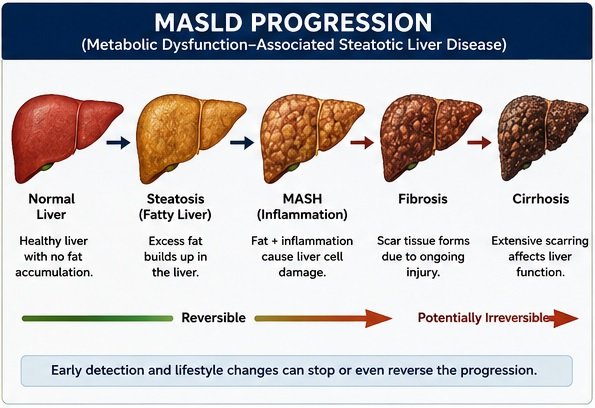
MASLD (Metabolic Dysfunction Associated Steatotic Liver Disease), a health condition where fatty liver is associated with metabolic risk factors like obesity, diabetes or abnormal cholesterol. MASH (Metabolic Dysfunction Associated Steatohepatitis) is a more advanced stage in which fat deposition is accompanied by inflammation and liver cell injury. MASH may progress to fibrosis and cirrhosis if left untreated.
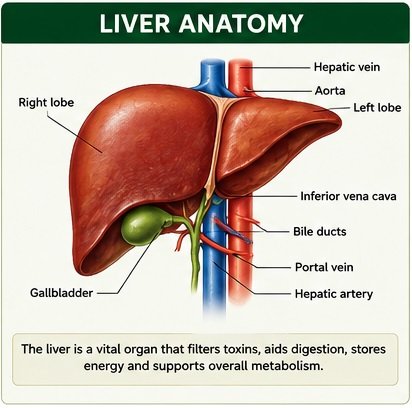
FAQ 3. Is fatty liver disease reversible?
Yes. In many people, if identified in its early stages may be possible. Also if you reduce the liver fat through healthy eating, balanced diet schedule, regular physical activity, weight management and medical treatment of associated conditions may be possible for improvement. Advanced fibrosis or cirrhosis may not fully reversible, so that early intervention is an important aspect.
FAQ 4. Can fatty liver disease be cured?
There is no single treatment for fatty liver disease. But, in many cases it can improve or even normalize liver fat through long-term lifestyle changes and appropriate medical care.
FAQ 5. How common is fatty liver disease?
It is one of the most common liver conditions globally. It can affect adults and now it is increasingly identified in children and adolescents, due to rising prevalence of obesity and type 2 diabetes.
FAQ 6. Does fatty liver always cause symptoms?
No. Most people may not have symptoms at an early stage. If symptoms occur, they may include fatigue, discomfort in the upper right abdomen or reduced energy level. It is usually diagnosed during routine blood tests or imaging studies.
FAQ 7. Can people with normal weight develop fatty liver?
Yes it may be. If any one has more body weight than normal, it may increase the risk of fatty liver. But some people having a normal body weight can develop fatty liver due to many genetic factor, metabolic abnormalities, visceral fat or unhealthy and unbalanced dietary habits.
FAQ 8. Is fatty liver a serious disease?
It can be a serious disease. Many people don’t develop to serious complications, but some progress to MASH, fibrosis, cirrhosis, liver failure or liver cancer. Fatty liver disease is also associated with an increased risk of cardiovascular disease.
FAQ 9. Can children develop fatty liver disease?
Yes. Fatty liver disease is now common in children and adolescents, if they are living with obesity, physical inactivity and unhealthy dietary patterns. So, early lifestyle intervention is highly essential involving the whole family to follow it.
FAQ 10. Can fatty liver occur during pregnancy?
Pregnancy itself does not cause MASLD, but due to pregnancy increases the metabolic risk factors. If any pregnant women having liver problems, they most seek proper medical care soon after development of symptoms.
FAQ 11. Why fat accumulates in the liver?
Fat may deposit due to insulin resistance, excess calorie intake, obesity, type 2 diabetes, high triglycerides, physical inactivity, certain medications and genetic factors.
FAQ 12. Is fatty liver caused only by alcohol?
No, this is not true. Many people can develop fatty liver without drinking alcohol. Metabolic dysfunction is now increasing worldwide and also a leading cause for fatty liver disease.
FAQ 13. Does everyone with fatty liver develop cirrhosis?
No, may not be. Most people do not progress to cirrhosis. The risk is high, when the people living with inflammation, diabetes, obesity, advanced fibrosis or any continuous liver injury. Regular follow-up is highly essential to identify such types of risk and immediate management.
FAQ 14. Can fatty liver affect other organs in the body?
Yes. Fatty liver disease may be associated with cardiovascular disease, type 2 diabetes, chronic kidney disease and metabolic syndrome. So, the important part of the medical treatment is to manage the overall health and not focusing on a single issue.
FAQ 15. Why early diagnosis is important?
As early identification provides us an opportunity to take steps for reducing liver fat, improve metabolic health and lower the risk of complications before any complication appears and permanent liver damage occurs.
Symptoms & Diagnosis FAQs
FAQ 16. What are the early symptoms of fatty liver disease?
Answer: Most people may not have any symptom at an early stage. Some may feel fatigue, reduced energy or mild discomfort in the upper right side abdomen. Many people are identified only when they undergo routine blood tests or an abdominal ultrasound.
FAQ 17. Why do many people have no symptoms?
Answer: The liver has the ability to function normally even if fat has accumulated in the liver. Symptoms appear only when inflammation, fibrosis or cirrhosis develops. So that, regular health check-ups are important and mostly recommended if you have diabetes or obesity.
FAQ 18. How is fatty liver disease diagnosed?
Answer: Diagnosis can be done through your previous medical history, physical examination, blood tests and imaging like an abdominal ultrasound or FibroScan®. The healthcare personnel may also assess the risk of liver fibrosis.
FAQ 19. What blood tests are commonly used?
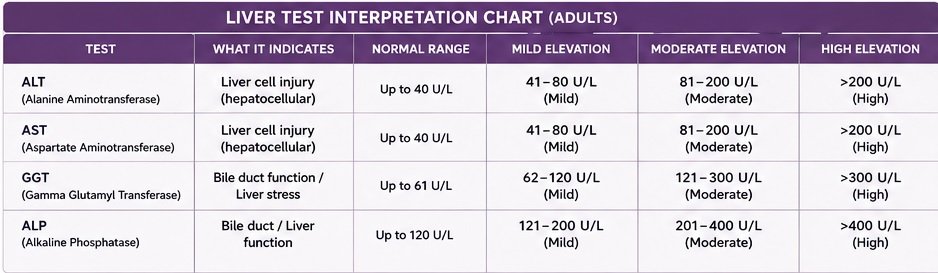
Answer: Common tests are ALT, AST, GGT, bilirubin, albumin, platelet count, fasting blood glucose, HbA1c, lipid profile and kidney function tests. These blood tests can help to assess the actual liver health and its linked metabolic conditions in the body.
FAQ 20. What is the meaning of ALT and AST?
Answer: ALT and AST are mostly liver enzymes and higher levels of these may show liver cell injury. But if anyone has normal levels it doesn’t always mean the liver is healthy. The healthcare provider may interprets such results along with other tests.
Key Takeaways: Introduction, Basics, Symptoms & Diagnosis (FAQs 1–20)
- Fatty liver sometimes has no early symptoms.
- Early diagnosis can improve the treatment outcomes.
- MASLD is common and may be preventable.
- Only blood tests can’t confirm the fatty liver disease.
- Proper diagnosis can be done through Ultrasound and FibroScan®
- If anyone has Obesity and diabetes, it can increase risk.
- Now children are also developing fatty liver.
- Early lifestyle changes can have a chance to reverse liver fat.
- Advanced disease may cause permanent damage of liver.
- Regular medical follow-up is the key point of success.
FAQ 21. Can liver enzymes be normal if I have fatty liver disease?
Answer: Yes. People with fatty liver disease may have normal ALT and AST levels in the body. Imaging tests and fibrosis assessments should be conducted to identify any liver health issues.
FAQ 22. What is an abdominal ultrasound?
Answer: An abdominal ultrasound is a painless imaging test that sound waves are used to detect deposition of fat in the liver. It is the first test to identify the suspected fatty liver disease.
FAQ 23. What is FibroScan®?
Answer: FibroScan® is a non-invasive test which measures liver stiffness and calculates liver fat. It helps to assess fibrosis (scarring) without performing a liver biopsy and is quick and painless.
FAQ 24. What is MRI-PDFF?
Answer: MRI-Proton Density Fat Fraction (MRI-PDFF) is an advanced imaging technique which is able to measure the amount of fat in the liver more accurately. This technique is used in specialized tertiary care centers and research health institutions.
FAQ 25. When CT scan used for liver health disease?
Answer: Always CT scans are not used to identify fatty liver disease in the body. It is needed to know other abdominal conditions or when additional information is required.
FAQ 26. Why liver biopsy needed in few cases of fatty liver?
Answer: When healthcare professionals are not confirmed about the extension of inflammation or fibrosis, then they may recommend for biopsy test. Most people living with fatty liver disease may not require a biopsy.
FAQ 27. How liver fibrosis can be assessed?
Answer: Fibrosis can be assessed using non-invasive methods such as FibroScan®, blood-based fibrosis scores (e.g., FIB-4) and laboratory tests. After having these tests, may reduce the need for liver biopsy.
FAQ 28. How often should I perform follow-up tests?
Answer: Follow-up mainly depends on your age, risk factors and different stages of liver disease. The medical service provider may recommend schedule for blood tests, imaging and other clinical reviews observing the severity of the disease.
FAQ 29. When should I see a liver specialist?
Answer: You should visit to a liver specialist if you are suffering from advanced fibrosis or cirrhosis is suspected. Also if liver tests remain abnormal, another liver disease is possible or if specialized treatment is needed.
FAQ 30. Can fatty liver disease return after it improves?
Answer: Yes it can be. Liver fat can return if healthy lifestyle habits are not maintained. So, more focus to continue a healthy balanced diet, regular physical activity, weight management and routine follow-up can help to reduce the risk of recurrence.
Diet & Nutrition FAQs
FAQ 31. Is there a special diet for fatty liver disease?
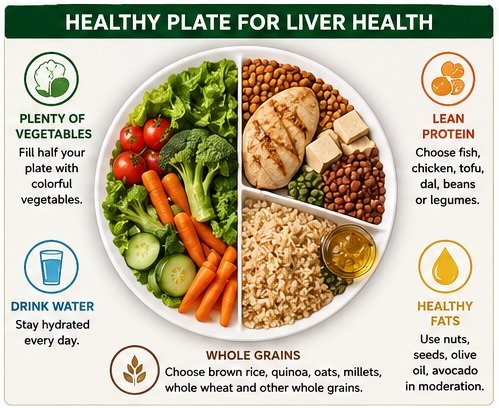
Answer: There is no single diet for fatty liver disease. A healthy eating pattern rich in vegetables, fruits, whole grains and lean protein supports the liver health. Also it is recommended to limit the added sugars and ultra processed foods.
FAQ 32. Can I eat rice if I have fatty liver disease?
Answer: Yes obviously. Rice is also a part of a healthy diet if eaten in appropriate quantity. A practical meal could include one small bowl of brown rice, dal, vegetables and grilled fish or tofu because they contain more fiber.
FAQ 33. Are eggs good for fatty liver disease?
Answer: Yes naturally. Eggs are an excellent source of high-quality protein and can be included as a part of balanced diet till your healthcare provider advises not to take.
FAQ 34. Is coffee good for the liver?
Answer: Coffee without more sugar or cream may not harm the liver health. But as this may vary from case to case, you should consult with your doctor.
FAQ 35. Can I drink milk?
Answer : Yes you can. But it should be low-fat or fat-free milk. Also un-sweetened dairy products can be taken if you are not having any lactose intolerance or other medical condition to avoid milk.
FAQ 36. Are fruits safe to eat?
Answer: Yes safe. Most whole fruits are healthy and able to provide vitamins, minerals and fiber. It is good to eat whole fruits rather than drink fruit juices because whole fruits contain more fiber.
FAQ 37. Which cooking oils are healthier?
Answer: Unsaturated oils such as olive, mustard, groundnut, rice bran or canola oil can be used in limited quantity. Also suggested to take foods high in saturated and trans-fats.
FAQ 38. Are millets good for fatty liver disease?
Answer: Yes, it’s an ancient grain. Millets are rich in fiber and nutrients which may help to improve blood sugar control and support a balanced diet in every meal.
FAQ 39. Can I eat sweets occasionally?
Answer : Sweets can be taken occasionally in small quantity. But it is highly recommended by public health specialists to limit the foods with high added sugar as these may lead to liver fat and weight gain.
FAQ 40. Should I completely avoid carbohydrates?
Answer: No it should not. Carbohydrates are an important source of energy for the body. So, you may focus on choosing whole grains, legumes, vegetables and fruits than refined carbohydrates and sugary foods.
Key Takeaways: Diet & Nutrition (FAQs 21–40)
- Normal liver enzymes may not affect fatty liver.
- FibroScan® helps to identify for any liver fibrosis condition.
- To prevent and manage, you should eat more whole foods and fiber-rich foods.
- Always limit sugar and ultra-processed foods.
- You must take whole grains instead of refined grains.
- Healthy fats are better than saturated fats.
- Whole fruits which are locally available should be preferred than fruit juices or packaged juices.
- Drink enough water every day as per age and climate conditions.
- Quantity of food eating should control and overeating to limit.
- Healthy and balanced eating is a recommended for a sustainable life.
FAQ 41. Is the Mediterranean diet helpful?
Answer: Yes it is helpful. A Mediterranean-style diet pattern focuses mainly on vegetables, fruits, whole grains, legumes, nuts, fish and healthy fats. Many researches also suggest these foods as a healthy eating pattern for people with metabolic risk factors.
FAQ 42. Can intermittent fasting help?
Answer: It may be a good choice for some people, but not suitable for everyone. You may consult your doctor before initiating any fasting plan and it is wise if you have diabetes or taking any medications.
FAQ 43. What are healthy snacks?
Answer: Healthy snacks are fresh fruit, unsalted nuts in limited quantity, roasted chickpeas, yogurt without added sugar, vegetable sticks, sprouts or whole-grain crackers.
FAQ 44. How much water should I drink each day?
Answer: Daily water intake actually depends upon your age, activity level, climate and different medical conditions. So, it is highly recommended to drink water regularly throughout the day and stay hydrated.
FAQ 45. Do I need vitamin or herbal supplements?
Answer: Nutrients are already available in the balanced diet. So, it is not recommended to take supplements or herbal products for fatty liver disease without any prior consultation with your doctor.
FAQ 46. Are liver detox diets effective?
Answer: Till now, there is no strong scientific evidence of improvement of liver disease if one takes the detox diets. So, a balanced diet, regular physical activity and weight management may be the important for treatment.
FAQ 47. Can I eat at restaurants?
Answer: Yes you can. You should choose grilled, steamed, baked or roasted dishes, take more vegetables, control quantity of food and limit fried foods, sugary drinks and desserts.
FAQ 48. How can I read food labels?
Answer: Please read the labels and choose the food packets with lower added sugars, saturated fat, sodium and calories. Also focus on foods which are higher in fiber and whole-food ingredients if available.
FAQ 49. Should I drink alcohol if I have fatty liver disease?
Answer: Not recommended. Alcohol may be a cause for liver injury in many people. You should consult your doctor for alcohol use, who can advice you based on your individual liver condition and overall health.
FAQ 50. Does meal timing matter?
Answer: Yes, it matters a lot. Regular meal timing may help to support a healthy eating habits. So, you should avoid overeating daily, late-night dinners and unhealthy snacks. Consistency is more important than any strict meal patterns.
Exercise & Lifestyle FAQs
FAQ 51. Is exercise important for fatty liver disease?
Answer: Yes it’s good. Regular physical activity helps to reduce the liver fat, improve insulin sensitivity, support weight management and lower the risk of further disease progression. Even without weight loss, if a person is doing exercise it will benefit the liver health.
FAQ 52. What is the best exercise for fatty liver disease?
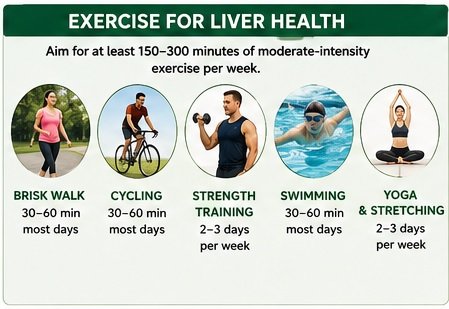
Answer: Few aerobic exercises like brisk walking, cycling or swimming and strength training are the best health benefit exercises for fatty liver disease. So, if you enjoying in which exercise should choose but consistency is the matter for a long-term.
FAQ 53. How much exercise should I do each week?
Answer : An adult should aim to perform 150-300 minutes of exercises each week along-with muscle strengthening activities on two or more days every week, but if it fits for him or her.
FAQ 54. Is walking enough?
Answer: Yes it may be appropriate in some case. Brisk walking is an excellent form of exercise which can improve liver health, cardiovascular fitness and overall well-being. Walking regularly is a great starting point for most people.
FAQ 55. Can strength training help?
Answer : Yes, it may help to preserve muscle mass in the body, improve the metabolism process, increase the insulin sensitivity and also supports for a healthy weight management. If you are new to strength training, you can initiate with light weights first and then increase the limit.
FAQ 56. Is yoga beneficial?
Answer: Yes. If you are doing Yoga regularly, it may be helpful to improve flexibility of body, balance, stress management and beneficial for other physical activities. It will help for a sustainable lifestyle for a good health.
FAQ 57. Can I exercise if I am overweight or obese?
Answer: Yes definitely. Most people living with overweight or obesity can safely exercise. But, you should begin with low-impact activities and gradually increase intensity only after consultation of your exercise plan with your healthcare provider.
FAQ 58. What if I have arthritis or joint pain?
Answer: For these situations, perform low-impact activities like walking, swimming, cycling or chair exercises may be a good choice and also comfortable. A physiotherapist can help to suggest and design an individualized exercise schedule.
FAQ 59. Is daily exercise necessary?
Answer: Daily exercise and movement is recommended, but even doing exercise minimum 5 days in a week can provide important health benefits. Also continuous sitting in a single place should be avoided.
FAQ 60. Can exercise reverse fatty liver disease?
Answer: Only doing exercise may reduce liver fat, but the improvements can be seen if combined with healthy eating and appropriate weight management.
Key Takeaways Exercise & Lifestyle (FAQs 41–60)
- Regular exercise helps to reduce liver fat in the body.
- Aim for 150–300 minutes of activity weekly and five days in a week.
- Walking is said to be an excellent daily exercise.
- Strength training can improve the metabolism.
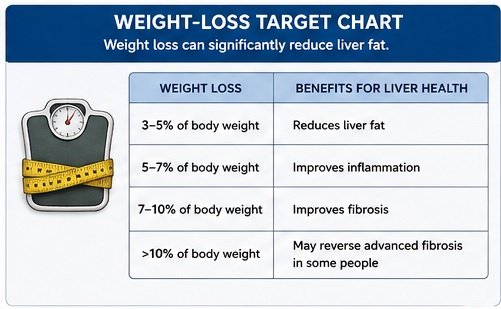
- Gradual weight loss may support liver recovery.
- Getting adequate, good-quality sleep supports liver health.
- Manage stress through healthy habits and it is important for mental health.
- Avoid smoking with alcohol and continued sitting in a single place.
- Stay physically active every day.
- Consistency matters a lot more than just doing healthy change for short duration.
FAQ 61. How important is sleep?
Answer: Good quality sleep is very much important as it will support the metabolism process, hormone balance and other health benefits. So, adults should have at-least 7–9 hours of sleep each night.
FAQ 62. Can stress affect fatty liver disease?
Answer: Yes it can. If a person has chronic stress, it may lead to an unhealthy eating habits, poor sleep with reduced physical activity. So, that a proper stress management techniques like meditation, deep breathing, yoga may help in this regard.
FAQ 63. Does smoking affect fatty liver disease?
Answer: Yes. Smoking increases the risk of cardiovascular disease and may affect the overall health. If you quit smoking, it is the best decision for your liver and general well-being.
FAQ 64. How can I stay motivated?
Answer: You should set your real goals which can be followed easily, monitor the progress regularly, celebrate each and every small achievements with the involvement of family or friends and focus on long-term health not just a quick weight loss plan.
FAQ 65. Can older adults exercise safely?
Answer: Yes. Many older adults benefit after doing regular physical activity such as walking regularly, balance exercises, flexibility training and strength exercises. But, please consult your healthcare provider before initiation of a new exercise schedule.
Medicines & Medical Treatment FAQs
FAQ 66. Is there a medicine that cures fatty liver disease?
Answer: There is no single medicine that can cure fatty liver disease for everyone. Lifestyle modification may be the key point for treatment. Medication differs from person to person as decided by the doctor basing on their overall health and liver condition.
FAQ 67. Can diabetes medicines help for fatty liver disease?
Answer: Some medications used to treat type 2 diabetes may also help to improve the metabolic health and reduce liver fat in selected patients. Your healthcare provider will determine whether they are appropriate for you.
FAQ 68. Should I take vitamin E?
Answer: Vitamin E may be taken by certain adults with specific types of fatty liver disease under proper medical supervision. It should always be administered only after consulting the benefits and risks with your doctor.
FAQ 69. Are herbal or natural remedies safe?
Answer: It may not always. Some herbal products may be ineffective or even harmful to the liver. Always discuss about the supplements with your doctor before using them.
FAQ 70. Should I stop my regular medicines if I have fatty liver disease?
Answer: No it shouldn’t. Please don’t stop your prescribed medicines without any medical advice. Your doctor can review your medications and determine whether any changes are necessary or not.
FAQ 71. Can statins be taken if I have fatty liver disease?
Answer: Yes it should be. Statins are generally safe for many people living with fatty liver disease if and only if prescribed by a healthcare provider or doctor. They help to lower the cholesterol level and reduce the risk of heart disease.
FAQ 72. Can weight-loss medicines help?
Answer: Some prescribed weight-loss medicines may benefit for selected cases only with overweight or obesity. They should only be used under medical supervision along with healthy lifestyle changes.
FAQ 73. When is bariatric surgery considered?
Answer: Bariatric i.e. weight-loss surgery may be suggested by the Medical Specialists for some people with severe obesity if and only if the lifestyle changes and other treatments have not achieved sufficient weight loss.
FAQ 74. Can fatty liver disease lead to liver transplantation?
Answer: Most people never require a liver transplant. It is only required for advanced liver failure or certain cases of liver cancer after specialist assessment.
FAQ 75. Should I get vaccinated?
Answer: Your doctor or healthcare provider may recommend for various routine vaccinations like hepatitis A, hepatitis B (if not immune), influenza and other vaccines which are appropriate for your age and according to health status.
FAQ 76. How often should I see my healthcare provider?
Answer: Follow-up schedule actually depends on your individual health, stage of liver disease and other medical conditions. Your doctor or clinician can recommend an appropriate schedule.
Children, Pregnancy & PCOS FAQs
FAQ 77. Is fatty liver disease can be seen commonly in Indian children?
No. But now it is increasingly commonly worldwide, for the children who are overweight or obesity.
FAQ 78. Can teenagers reverse fatty liver disease?
Answer: Many adolescents with early fatty liver disease can improve their liver health through healthier eating, regular physical activity and managing a healthier weight under proper medical supervision.
FAQ 79. Is fatty liver disease common during pregnancy?
Answer: Not for all. Women with metabolic risk factors may have fatty liver disease before pregnancy period. If any liver problems occur during pregnancy period, it requires proper medical evaluation and treatment as per advice of doctor.
FAQ 80. Does PCOS increase the risk of fatty liver disease?
Answer: Yes. If a women with Polycystic Ovary Syndrome (PCOS) may develop the insulin resistance and also fatty liver disease. So, regular monitoring of personal health with healthy lifestyle changes are the key points for improvement.
Key Takeaways (FAQs 61–80)
- Lifestyle changes is the key point of treatment.
- Medicines help the selected patients.
- Always avoid the herbal liver remedies which are not certified or not proved by medical research.
- You should continue any prescribed medicines unless not suggested to take by your doctor.
- Regular follow-up can improve the health outcomes.
- Vaccinations help to protect liver health.
- Children and pregnant women if identified with fatty liver need specialized care.
- If family supports, it can be easy to follow the healthy habits.
- Most people with fatty liver can lead a normal lives.
- If you want to change a major lifestyle, please consult your doctor prior to change.
Recovery & Living with Fatty Liver FAQs
FAQ 81. Can older adults improve fatty liver disease?
Answer: Yes it is possible. Healthy eating, regular physical activity, strength training and management of chronic conditions can improve liver health at any age.
FAQ 82. Why fatty liver disease is common in people living with type 2 diabetes?
Answer : The main cause is insulin resistance of type 2 diabetes. Here, the fat deposits in the liver and increases the risk of liver inflammation and fibrosis.
FAQ 83. Can people with obesity reverse fatty liver disease?
Answer: Yes in many cases it is possbile. Even moderate level of continued weight loss can reduce liver fat and improve the metabolic health. Long-term lifestyle changes are the key points of treatment.
FAQ 84. Can lean people develop fatty liver disease?
Answer: Yes. Some people with a normal body weight develop fatty liver disease due many factors like genetics, insulin resistance or excess abdominal fat even if having a normal Body Mass Index.
FAQ 85. Is fatty liver disease hereditary?
Answer: Genetics factor may increase the chance of disease, but lifestyle and metabolic health condition also plays a major role. If a family history is present, it does not mean you will develop the disease.
FAQ 86. Can I live a normal life with fatty liver disease?
Answer: Yes of-course. Most people with early fatty liver disease can live normal, healthy lives by maintaining healthy habits and continuing a regular medical follow-up as per advice of doctor.
FAQ 87. Can I travel if I have fatty liver disease?
Answer: Yes definitely. You should carry your medications, always stay hydrated, remain physically active during long journeys and continue your healthy eating plan during traveling.
FAQ 88. Can I fast if I have fatty liver disease?
Answer : Many people living with fatty liver can fast easily, but few can’t able to do. So, you should take advice from your doctor or health service provider before initiating a fasting schedule.
FAQ 89. Can I donate blood?
Answer: Many people with fatty liver disease can donate blood if they fulfil the blood donation eligibility criteria. You should consult with your local blood donation service for guidance.
FAQ 90. Can I continue working?
Answer : Yes it’s true. Most people can do their usual work schedule as normal before. But if you have any advanced liver disease or other health conditions, it may limit the performace.
FAQ 91. Can I do exercise after diagnosing the fatty liver disease?
Answer: Yes. Regular and consistent physical activity is an effective treatment for fatty liver disease. But, you should start slowly and increase the activity and follow the guidance of your healthcare provider.
FAQ 92. Can fatty liver disease come back after improvement?
Answer: Yes. Liver fat may return if healthy habits are not maintained on regular basis. So, you have to maintain a lifelong healthy eating, regular exercise and weight management which will help to reduce the risk of recurrence.
Complications & Prevention FAQs
FAQ 93. What warning signs require urgent medical attention?
Answer: Many warning signs that you should seek immediate medical care such as if you develop yellowish of the skin or eyes, vomiting blood, black stools, severe abdominal swelling, confusion or excessive sleepiness.
You may seek medical care immediately if you have :
- Yellow eyes
- Vomiting blood
- Black stools
- Severe abdominal swelling
- Confusion
- Persistent fever with jaundice
FAQ 94. Can fatty liver disease increase the risk of heart disease?
Answer: Yes. Cardiovascular disease is a leading health concern in people with fatty liver disease. So, it’s important to managing blood pressure, cholesterol, diabetes and lifestyle factors.
FAQ 95. Can fatty liver disease affect the kidneys?
Answer: Yes it can affect. Fatty liver disease is linked with the risk of chronic kidney disease, if the people are living with diabetes or high blood pressure.
FAQ 96. Can stress and mental health affect fatty liver disease?
Answer: Yes. Stress, anxiety and depression may change the healthy lifestyle schedule and it will be difficult to manage again. So, you should seek support from healthcare professionals, family or support groups for a better mental health.
FAQ 97. What is the most important treatment for fatty liver disease?
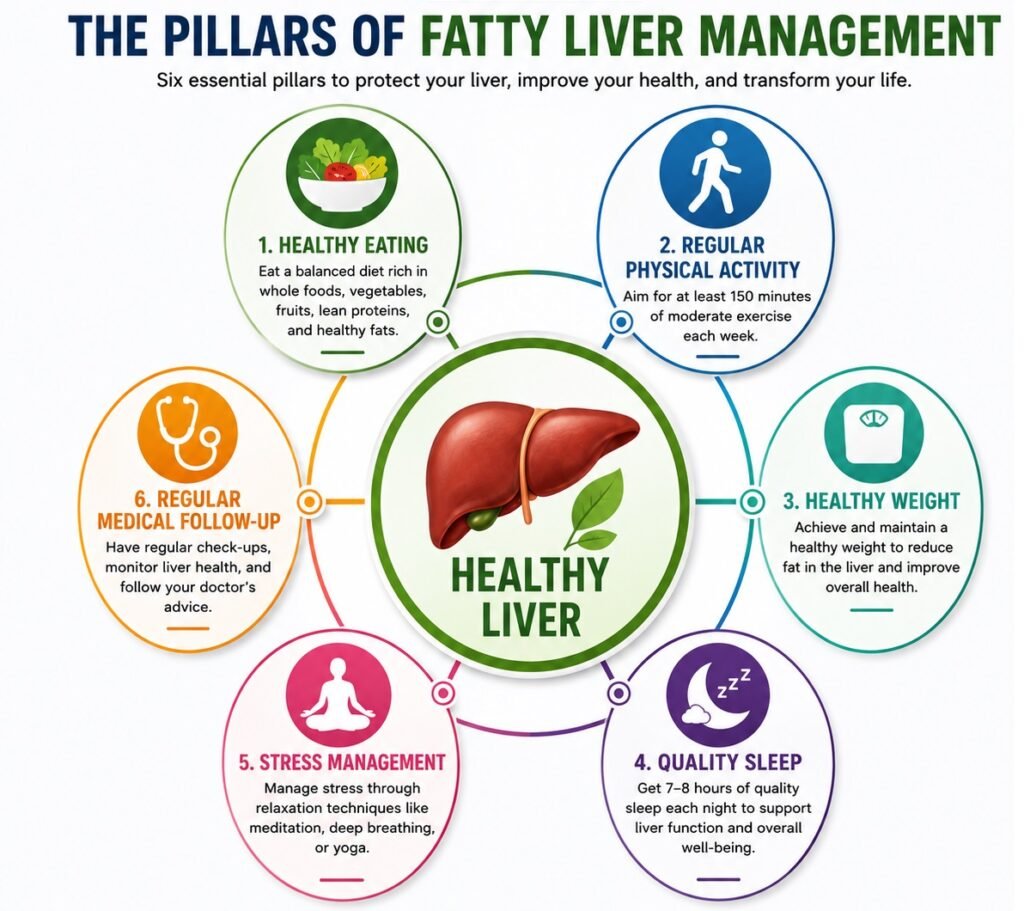
Answer : The most important treatment is the lifestyle changes which are eating balanced nutrition, regular physical activity, always maintain a healthy weight, quality and adequate sleep and management of metabolic conditions.
FAQ 98. How can I stay motivated for long-term lifestyle changes?
Answer : For a long-term lifestyle changes, you should set a real goal from today and track the progress on regular interval, celebrate small successes with the involvement of family & friends. Always consistency is better than perfection.
FAQ 99. Where can I find reliable information about fatty liver disease?
Answer: First you should trust your doctor and healthcare providers and then go for internet searches from National Liver Organizations, public health agencies and reputed medical institutions. Always remain vigilant and cautious of unverified online claims and miracle cures.
FAQ 100. What is the single most important message about fatty liver disease?
Answer: Fatty liver disease is preventable and in many people it may be reversible if identified early. Healthy lifestyle choices, regular medical follow-up and management of conditions such as obesity and diabetes can protect your liver and improve your overall health.
Key Takeaways Complications & Prevention (FAQs 81–100)
- Healthy weight can lower the disease risk, so slow and gradual weight lose is important.
- Manage diabetes, blood pressure and cholesterol if possible.
- Fatty liver can return if healthy habits not continued regularly.
- Must be alert for warning signs like jaundice and yellowish eye.
- Try to protect both liver and heart health with proper intervention.
- Manage stress and focus on mental well-being supported by your care giver.
- Follow the advice from trusted medical advice only.
- Routine monitoring and test can help to prevent major complications in future.
- Early treatment is the best remedy for a better outcome.
- Healthy habits are always the best long-term treatment and prevention plan.
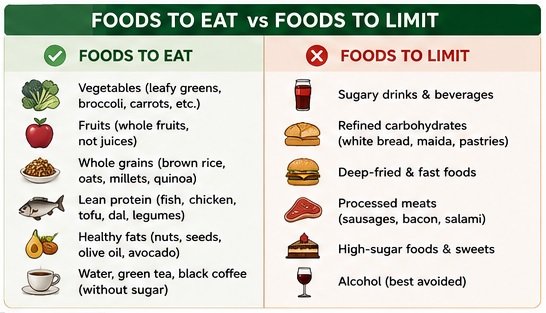
Quick Food Guide: Foods to Eat vs Foods to Limit
| Recommended | Limit |
|---|---|
| Vegetables | Sugary drinks |
| Fruits | Processed meats |
| Lentils | Refined sweets |
| Fish | Alcohol |
| Nuts | Trans fats |
Myths vs Facts
Myth : Fatty liver only affects alcohol drinkers.
Fact : Most cases are related to metabolic health.
Myth : Thin people never get fatty liver.
Fact : Lean individuals can also develop MASLD.
Myth : Liver detox drinks cure fatty liver.
Fact : There is no evidence they reverse the disease.
Healthy Home Expert Tip
Even a moderate level of weight loss of 5–10% can reduce liver fat and improve inflammation. Consistency is more important than rapid weight loss.
Frequently Asked Questions:
What is Fatty Liver Disease?
Are always medicines required to treat the fatty liver disease?
Does fatty liver disease permanently affect?
Is fatty liver disease reversible?
Can fatty liver affect other organs in the body?
Quick Action Plan
If You Have Just Been Diagnosed with Fatty Liver
- Don’t panic.
- Schedule a doctor’s follow-up.
- Lose 5–10% of body weight gradually.
- Walk 30 minutes most days.
- Avoid sugary drinks and alcohol.
- Eat more vegetables, legumes, and whole grains.
- Recheck liver tests in 3–6 months (as advised).
Concluding Points:
Fatty liver disease is now a common liver conditions globally, but it is also a preventable disease. If the people will undergo regular health screening at nearby public or private health institutions, it can be identified early. So, the healthy and balance eating, regular physical performances, slow and consistent weight loss, management of diabetes or any other metabolic conditions are the key points to improve the liver condition. Gradual lifestyle changes matters a lot not the perfection.
If you have identified the risk factors or abnormal liver test results, please consult your doctor or health service provider for proper evaluation and initiation of treatment early.
Trusted References:
- American Association for the Study of Liver Diseases (AASLD) – Clinical Assessment and Management of Metabolic Dysfunction-Associated Steatotic Liver Disease (MASLD)
- European Association for the Study of the Liver (EASL) – Clinical Practice Guidelines
- World Health Organization (WHO) – Healthy Diet Fact Sheet
- National Institute of Diabetes and Digestive and Kidney Diseases (NIDDK) – Definition & Facts of NAFLD (MASLD) and NASH (MASH)
- American Liver Foundation – Nonalcoholic Fatty Liver Disease (NAFLD/MASLD)
- Centers for Disease Control and Prevention (CDC) – Adult Physical Activity Guidelines
- National Institutes of Health (NIH) – MedlinePlus: Fatty Liver Disease
- AASLD – Understanding the New MASLD Nomenclature
- National Institutes of Health (NIH) – PubMed Database
- American Diabetes Association (ADA) – Standards of Care in Diabetes