
Last Updated on July 16, 2026 by Bibhu Ranjan Mund, MPH
Learn about metabolic syndrome, its symptoms, causes, diagnosis, treatment, healthy diet and prevention with evidence-based tips to lower diabetes and heart disease risk.
Reviewed by Bibhu Ranjan Mund, MPH (Public Health Expert) with more than 18 years of experience in maternal, infant, child, and adolescent health programs. Content is based on evidence-informed guidelines aligned with organizations such as the World Health Organization, UNICEF, Centers for Disease Control and Prevention, and National Institutes of Health.
Research Archive
Mund, B. R. (2026). Metabolic Syndrome: Symptoms, Causes, Diagnosis, Treatment & Prevention (Version 1.0). Healthy Home (healthhom.com). https://doi.org/10.5281/zenodo.21390761
Medical Disclaimer: This content is for informational and educational purposes only and is not intended as medical advice, diagnosis or treatment. Always seek the advice of a qualified healthcare professional regarding any medical condition or concerns.
Executive Summary:
- Metabolic syndrome is a combination of five health risk factors such as excess belly fat, high blood pressure, high blood sugar, high triglycerides and low HDL (good) cholesterol.
- During early stages, it may not shows any noticeable symptoms, so that it is important to perform regular health check-ups.
- The condition is associated with insulin resistance, obesity, unhealthy eating habits, physical inactivity, poor sleep and many chronic stress.
- To prevent or improve metabolic syndrome, one has to adopt a healthy lifestyle changes like taking balanced diet, regular exercise, weight management, avoiding tobacco and limiting alcohol.
- Study shows that if a person is losing just 5–10% of body weight, may improve blood sugar, blood pressure, cholesterol levels and overall metabolic health.
- In India, different factors like sedentary lifestyles, processed foods and increasing obesity are leading to a increasing number of younger adults who are developing metabolic syndrome.
- If the condition is diagnosed early and followed a consistent lifestyle changes with proper medical care than metabolic syndrome can sometimes preventable and manageable.
Adopting a healthy lifestyle is one of the most effective ways to reduce metabolic risk.
What is Metabolic Syndrome?
Metabolic syndrome is the early warning signs of body that several health problems are developing together and increase the risk of type 2 diabetes, heart disease, stroke and fatty liver disease. So, if it can be identified early, it gives you the opportunity to make lifestyle changes before they further proceed to many serious conditions such as diabetes or heart disease.
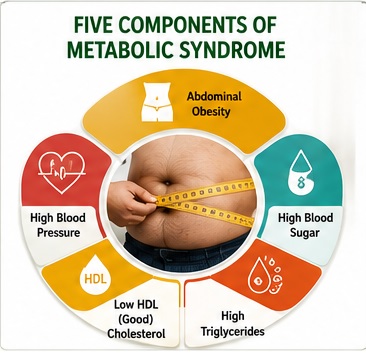
A person may be diagnosed with metabolic syndrome when they have three or more of the following risk factors:
- Increased waist circumference (abdominal obesity)
- High blood pressure
- High fasting blood sugar
- High triglyceride levels
- Low HDL (good) cholesterol
As the conditions may not show any prior symptoms, it can be prevented by healthy eating, regular physical activity, weight management, quality sleep, stress reduction and regular medical check-ups.
Insulin resistance is closely linked to fatty liver disease, which sometimes develops silently.

Introduction
“My blood sugar is slightly increased, my blood pressure is under control if taking regular medicine and I have just rise in weight. I have nothing to worry about.”
Many people may think about these and tell themselves inside. But, these small health issues sometimes don’t occur at once. The situation may increase the risk of serious diseases long before any symptoms appear.
Think about an Indian family marriage ceremony and members are sitting on a table with delicious food. All are in happy mood. Yet, among them, someone may be suffering from high blood pressure, another take medicine for high cholesterol level, someone may have borderline diabetes or one may be growing waistline. All are different problems for them. In reality, these all are signs of metabolic syndrome which actually develops silently in the body.
Many of these metabolic risk factors can be reduced by following a balanced daily meal plan that supports long-term health.
During my community health programs in Odisha, I have met with many families who surprised after listening the interlinking of obesity, high blood sugar, high bad cholesterol levels and high blood pressure. Most of them believed that medicine can solve the said issues and in few cases, short-term diet can be benefited. But, in fact improvements can be seen only by making sustainable lifestyle changes.
As per the International Diabetes Federation (IDF), about one in four adults globally may have metabolic syndrome. So that now it has become a growing public health concern worldwide. Also as per another study from the International Diabetes Federation Diabetes Atlas (2025) shows that more than 589 million adults aged about 20-79 years are now living with diabetes globally with many of the conditions linked to overweight, obesity and insulin resistance. In India also, it is rising rapidly and its time to take prevention measures early.
In this article we will discuss one by one thoroughly.
Global Statistics on Metabolic Syndrome:
Metabolic syndrome is now no longer a health problem affecting only older adults. Since last past two decades, it is increasing among younger adults and even adolescents in many countries. The following statistics show that why healthcare professionals are paying more attention to metabolic syndrome worldwide.
| Statistic | Latest Estimate | Source | Publication Year |
|---|---|---|---|
| Adults worldwide estimated to have metabolic syndrome | About 20–25% of adults (around 1 in 4) | International Diabetes Federation (IDF) | Frequently cited by IDF |
| Adults living with diabetes worldwide | 589 million (20–79 years) | International Diabetes Federation – Diabetes Atlas (11th Edition) | 2025 |
| Adults projected to have diabetes by 2050 | Approximately 853 million | IDF Diabetes Atlas | 2025 |
| Adults living with obesity worldwide | More than 890 million | World Health Organization (WHO) | 2024 |
| Adults who are overweight worldwide | More than 2.5 billion | World Health Organization (WHO) | 2024 |
| Deaths caused by cardiovascular diseases each year | About 20.5 million | World Heart Federation | 2024 |
The growing burden of obesity has also contributed to an increase in fatty liver disease worldwide.
Why These Numbers Matter
These figures tell us that the metabolic syndrome is not a single disease, rathe it is a combination of several risk factors which develop silently over many years.
From a public health perspective after working in so many years in Odisha, I have observed that many people focus on only one health issues like high blood pressure, blood sugar etc., but overlook the bigger aspects. If several health conditions occur together, it may lead to a risky situation for overall health and you should go for early identification through routine screening before any complication develop.
What About India?
India is also experiencing increase in lifestyle related diseases due to changing food patterns, lack of physical activity, urbanization and increasing rates of abdominal obesity. Many Indian studies show that the prevalence of metabolic syndrome is about 20% and 40% among adults. The risk is high among the people living with obesity, type 2 diabetes, hypertension or sedentary lifestyles.
Public Health Perspective:
Metabolic Syndrome may reverse in its early stage. In my field level experience working with community health programs, I have learnt that if the people who adopt a healthier eating habits, have daily physical activity and conduct regular health check-ups, may improve the multiple risk factors than simply rely on medication.
The Five Components of Metabolic Syndrome
Imagine your body that heart pumps blood, pancreas control blood sugar, liver processes nutrients and blood vessels supply oxygen throughout the body. All these work together and you feel healthy & energetic.
But, metabolic syndrome is a group of health conditions that occur together and increase the risk of type 2 diabetes, heart disease, stroke, chronic kidney disease and metabolic dysfunction-associated steatotic liver disease (MASLD), previously known as non-alcoholic fatty liver disease (NAFLD). Following table shows the risk factors with its means.
| Risk Factor | What It Means |
|---|---|
| Increased waist circumference | Excess fat around the abdomen (central obesity), which is more harmful than fat around the hips or thighs. |
| High blood pressure | Blood pressure remains higher than the healthy range, increasing strain on the heart and blood vessels. |
| High fasting blood sugar | Blood glucose levels are higher than normal, often due to insulin resistance. |
| High triglycerides | Elevated levels of unhealthy fats in the blood increase cardiovascular risk. |
| Low HDL (“good”) cholesterol | Reduced levels of protective cholesterol make it easier for fatty deposits to build up in arteries. |
If a person is having any three condition above, usually meet the diagnostic criteria. The exact waist circumference and laboratory cut-offs may vary depending on the guideline suggested by many organizations like International Diabetes Federation or the National Cholesterol Education Program etc.
Why Does Metabolic Syndrome Develop?
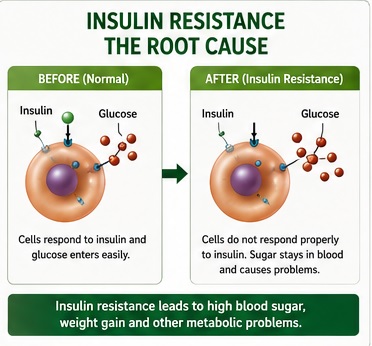
One of the key denominator is insulin resistance as insulin is a hormone produced by the pancreas which helps to move glucose (sugar) from the bloodstream into the body’s cells for energy.
If the body becomes resistant to insulin, the cells don’t respond effectively. So, the pancreas works harder and produces more insulin, but blood sugar levels gradually begin to rise. Subsequently, this can contribute to weight gain around the abdomen, unhealthy cholesterol levels, high blood pressure and may also type 2 diabetes.
Above process usually develops slowly over several years so that many people do not observe any warning signs until a routine health check-up diagnose the results.
A Real-Life Example
Imagine the case of Suresh who is about 46 years old working in an office at Bhubaneswar having sitting job. Breakfast is sometimes skipped, lunch comes from fast-food shop and evenings are spent watching television to relax the whole day’s busy work.
After his annual health check-up, he knew that:
- His waist circumference has increased from the normal.
- His blood pressure is higher than actual standard.
- His fasting blood sugar is in the prediabetes range.
- His triglyceride level is increased.
But, Suresh feels completely healthy having no major complaints. Yet his doctor counsels that these risk factors together is the symptoms of metabolic syndrome which may develop the risk of diabetes and heart disease if no changes are made.
This situation is now increasing commonly not only in urban areas but also in semi-urban and rural communities.
Symptoms of Metabolic Syndrome
Metabolic syndrome itself may not show any noticeable symptoms, but some people experience warning signs related to its individual components.
1. Increasing Belly Fat
One of the most visible signs is excess fat around the waist, also called abdominal or central obesity.
Belly fat is more closely linked to insulin resistance, inflammation and cardiovascular disease like fat around the hips or thighs. One may observe:
- Clothes become tight around the waist
- Needs a larger belt size
- Weight increases around the abdomen instead of the entire body
Many people think it “normal ageing” but if it is growing needs attention.

2. High Blood Pressure Usually Has No Symptoms
High blood pressure may be termed as the “silent killer” because most people feel healthy until any complications develop. Occasionally, some individuals may experience:
- Mild headaches
- Dizziness
- Blurred vision
- Fatigue
But, these symptoms may not specific and many people with hypertension have no symptom at all.
3. High Blood Sugar
When blood sugar rises, symptoms may develop like:
- Increased thirst
- Frequent urination
- Feeling unusually tired
- Blurred vision
- Slow healing of minor cuts and wounds
Above symptoms may appear gradually and are easy to overlook.
Increased blood sugar may be an early warning sign of type 2 diabetes if left untreated.
4. Changes in Cholesterol and Triglycerides
High triglycerides and low HDL (good) cholesterol usually do not show any noticeable symptoms.
Only the way to identify is to conduct a blood test recommended by healthcare providers.
Easily you can know the conditions of BMI, BMR and Cholesterol level in the body.
5. Feeling Less Energetic
Some people with metabolic syndrome may have:
- Low energy throughout the day and lethargic
- Reduced stamina during walking long distances or climbing stairs
- Feeling sleepy after meals
- Difficulty in staying physically active
Such symptoms can have many causes, but when combined with excess body weight or abnormal blood test results, these should not be ignored.
Maintaining good hydration also supports overall metabolic health.
When Should You See a Doctor?
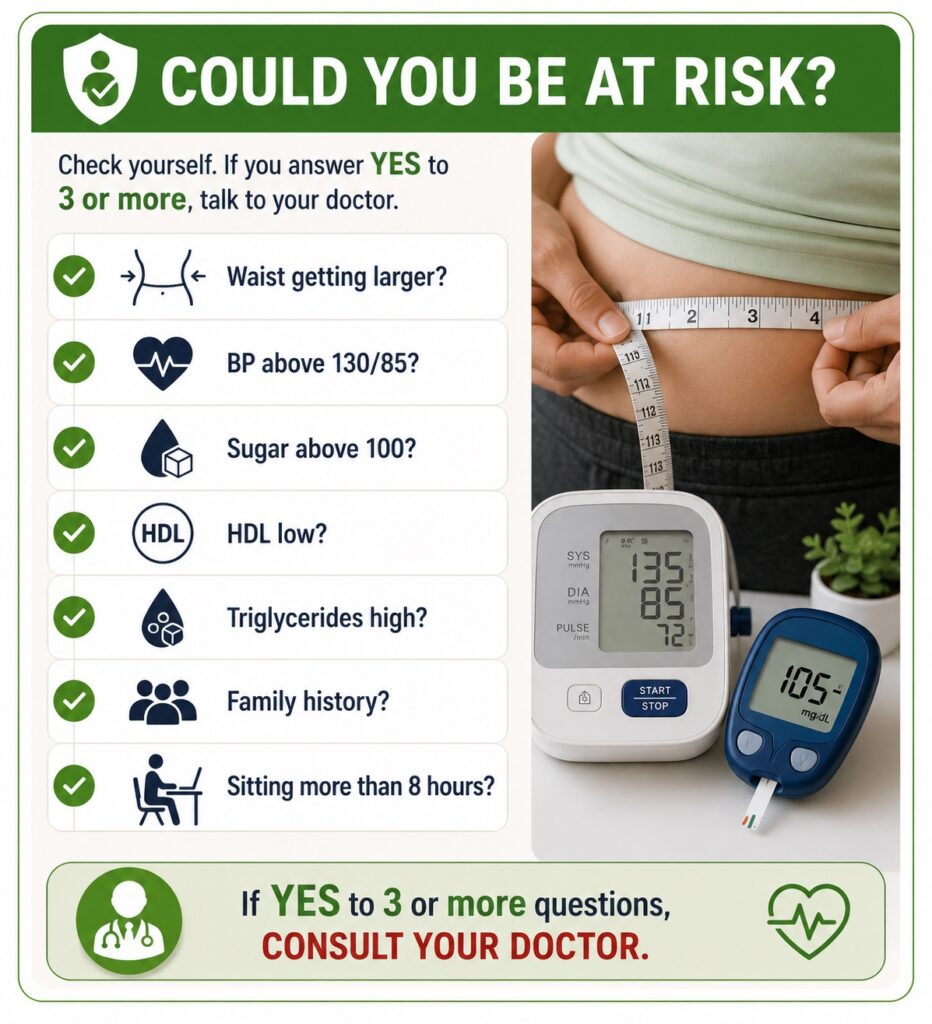
You should go for a medical test if you have one or more of the following:
- A waistline that has steadily increased over the past few years.
- High blood pressure or a family history of hypertension.
- Prediabetes or type 2 diabetes.
- High cholesterol or high triglycerides.
- Overweight or obesity.
- A sedentary lifestyle with little physical activity.
- A strong family history of diabetes, heart disease or stroke.
- A previous diagnosis of fatty liver disease.
Your healthcare provider or any Govt. Health Worker may recommend to measure your:
- Waist circumference
- Blood pressure
- Fasting blood sugar or HbA1c
- Lipid profile (HDL cholesterol and triglycerides)
- Body mass index (BMI)
These simple tests can be able to detect the metabolic syndrome early.
Causes and Risk Factors of Metabolic Syndrome
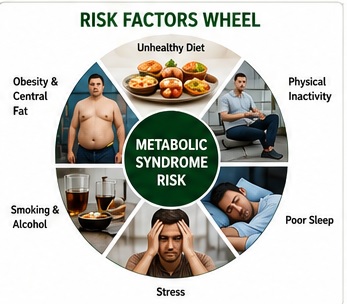
Many people ask that “Why we are experiencing the Metabolic Syndrome? So, to understand these followings are the important causes:
1. Insulin Resistance – The Main Underlying Cause
Most experts suggests that insulin resistance is the main cause behind metabolic syndrome.
Normally, insulin helps to move glucose from the bloodstream into the body’s cells, where it is used for energy. If the cells become less responsive to insulin, the pancreas produces more of it to keep blood sugar under control. Subsequently, this can lead to:
- Higher blood sugar levels
- Increased fat storage around the abdomen
- Elevated triglycerides
- Lower HDL (good) cholesterol
- High blood pressure
Because these changes develop gradually, many people don’t know until a health check-up diagnose the abnormal results.
2. Abdominal Obesity
Not all body fat carries the same health risk.
Fat stored around the abdomen which is called as belly fat is more metabolically active than fat stored elsewhere. It releases the inflammatory substances and hormones which can interfere with normal insulin function in the body.
You may have heard that, “I don’t look very overweight, but my stomach is getting bigger.”
This type of weight gain should not be ignored as a growing waistline is one of the strongest indicators of metabolic syndrome.
3. Unhealthy Eating Habits
Our daily food habits also play an important role in metabolic health. If you are frequently eating the following diet, may increase the risk of obesity, insulin resistance and abnormal cholesterol levels.
- Sugary drinks
- Sweets and desserts
- Refined flour products
- Deep-fried snacks
- Fast food
- Processed meat
- Packaged ultra-processed foods
But, if you are in a habit to take meals prepared at home with vegetables, whole grains, pulses, fruits, nuts and healthy sources of protein are usually support a better metabolic health.
A Common Situation in Indian Families
Many Indian families prepare nutritious meals at home, but busy work schedules of both the couple lead to frequent ordering of fast food, skipping breakfast or in a habit to take the packaged snacks.
These habits may seem harmless at first, but over months and years, these can contribute to weight gain and metabolic problems.
Everyday exposure to microplastics in food is another area of study by researchers in metabolic health.
4. Physical Inactivity
Modern lifestyles don’t require much movement and physical work than compared with previous decades.
Many adults usually spend:
- Long hours sitting at a desk
- Driving or commuting
- Watching television
- Using smartphones or computers
Even people who exercise occasionally also spend most of the day sitting and working. Regular physical activity improves insulin sensitivity, supports weight management, lowers blood pressure and helps to maintain healthy cholesterol levels.
5. Age
Metabolic syndrome can occur in younger adults but the risk generally increases with age of human being. This actually happens due to:
- Muscle mass gradually decreases.
- Physical activity often becomes less frequent.
- Weight gain
- The body’s ability to regulate blood sugar changes over time.
Recent researches show that it is increasing in adults during their 20s and 30s due to sedentary lifestyles and unhealthy dietary habits etc.
6. Family History and Genetics
Close relatives with:
- Type 2 diabetes
- High blood pressure
- Heart disease
- High cholesterol
It does not guarantee that you will develop metabolic syndrome if your family history show, but it can increase your risk.
7. Poor Sleep
Many people don’t think as sleep is a cause of metabolic health. But, if regular practice of less sleep or poor quality sleep may affect the hormones which regulate appetite, insulin sensitivity and body weight. People who regularly sleep less than the recommended may be more likely to:
- Gain weight
- Develop insulin resistance
- Experience higher blood pressure
Good sleep, healthy eating and regular movement work together to improve overall wellness.
8. Chronic Stress
Stress affects more than emotional well-being. When stress is long-lasting, the body releases hormones such as cortisol, which may contribute to:
- Increased appetite
- Cravings for sugary or high-fat foods
- Weight gain around the abdomen
- Elevated blood sugar
Healthy stress management techniques like regular exercise, mindfulness, hobbies and spending time with family and friends can support a better metabolic health.
9. Smoking and Excessive Alcohol Intake
Smoking damages the blood vessels and increases the risk of cardiovascular disease. Heavy alcohol consumption can also contribute to:
- Weight gain
- High blood pressure
- Elevated triglycerides
- Liver damage
If you avoiding tobacco and limit the alcohol, it may be an important steps toward reducing metabolic risk.
10. Certain Medical Conditions
Some health conditions are associated with a higher likelihood of developing metabolic syndrome, such as:
- Prediabetes
- Type 2 diabetes
- Polycystic ovary syndrome (PCOS)
- Obstructive sleep apnea
- Metabolic dysfunction-associated steatotic liver disease (MASLD)
- Hypothyroidism (in some individuals)
If you have any of these conditions, regular follow-up with your healthcare provider is important.
Regular consumption of ultra-processed foods has been associated with obesity and metabolic disorders.

Diagnosis of Metabolic Syndrome
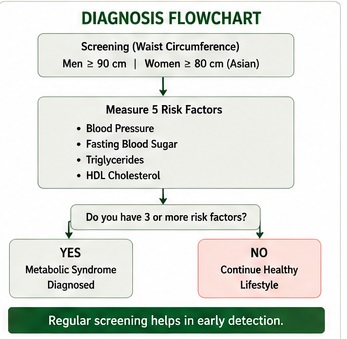
Metabolic syndrome can’t be diagnosed based on symptoms only. The diagnosis is made by combining information from :
- Your medical history
- Physical examination
- Waist circumference measurement
- Blood pressure
- Blood tests
In most cases, doctor may diagnose metabolic syndrome, if three or more of the five major risk factors are present.
The Five Diagnostic Components
The following table describes the commonly used NCEP ATP III diagnostic criteria for adults:
| Diagnostic Component | Common Adult Cut-off (Commonly used NCEP ATP III/AHA criteria) |
| Waist circumference | Men: >102 cm (40 in); Women: >88 cm (35 in) |
| Triglycerides | ≥150 mg/dL (1.7 mmol/L) or receiving treatment |
| HDL (“good”) cholesterol | Men: <40 mg/dL; Women: <50 mg/dL or receiving treatment |
| Blood pressure | ≥130/85 mmHg or taking blood pressure medication |
| Fasting blood glucose | ≥100 mg/dL (5.6 mmol/L) or receiving treatment for diabetes |
If fatty liver is suspected, your doctor may recommend additional liver evaluation for fatty liver disease.
Why Waist Circumference Matters
Many Indians regularly check their weight, but forget to measure their waist. But the waist circumference may inform the indication of harmful abdominal fat than body weight.
For South Asian people, including Indians, central obesity may develop even when the Body Mass Index (BMI) is not very high. So, this can be a reason that the people who appear slightly overweight may still have an increased risk of diabetes and heart disease.
To measure the waist circumference, a simple measuring tape can provide valuable information about your metabolic health.
What Tests Will Your Doctor Recommend?
If metabolic syndrome is suspected, healthcare provider may advise the following tests:
Physical Measurements
- Waist circumference
- Weight
- Height
- Body Mass Index (BMI)
- Blood pressure
Blood Tests
- Fasting blood glucose
- HbA1c (average blood sugar over the previous 2–3 months)
- Lipid profile
- HDL cholesterol
- LDL cholesterol
- Triglycerides
- Total cholesterol
Additional Tests (When Needed)
Depending on the individual risk factors, doctor may also recommend:
- Liver function tests (ALT and AST)
- Kidney function tests
- Urine examination
- Electrocardiogram (ECG)
- Ultrasound or FibroScan® if fatty liver disease is suspected
These investigations help to identify any associated conditions and guide for proper treatment as per need.
A Practical Example
Imagine Sugyani, a 41 year old school teacher. During her annual health check-up at the camp organized by the Community Health Centre, the following results are recorded:
| Health Parameter | Result |
| Waist circumference | Increased |
| Blood pressure | 138/88 mmHg |
| Fasting blood sugar | 108 mg/dL |
| Triglycerides | 190 mg/dL |
| HDL cholesterol | Normal |
Sugyani has no major symptoms, but she has four metabolic risk factors. The Health Worker Female explains that she needs lifestyle changes before diabetes or cardiovascular disease develops. This example shows that routine screening is so valuable before any symptoms appears.
How Often Should You Be Screened?
The frequency of health screening depends on age, medical history and risk factors. But the screening should be conducted if anyone has:
- Overweight or obesity
- A family history of diabetes or heart disease
- High blood pressure
- Prediabetes
- Fatty liver disease
- A physically inactive lifestyle
- A history of gestational diabetes or polycystic ovary syndrome (PCOS)
Complications of Metabolic Syndrome
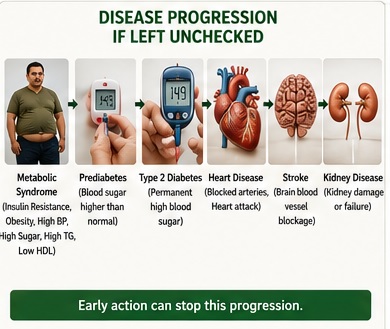
Many people think that “If I don’t have any symptoms, why should I go for medical and worry about metabolic syndrome?” The real concern is if it will not be managed early, it may result in serious health conditions. Following are the major complications:
1. Type 2 Diabetes
One of the most common complications is type 2 diabetes. Early Warning Signs are:
- Increased thirst
- Frequent urination
- Unexplained tiredness
- Blurred vision
- Slow healing of cuts and wounds
Identification of these signs early and proper medical care may help to prevent the long-term complications.
One of the most serious complications is type 2 diabetes, which develops gradually.
2. Heart Disease
Heart works continuously throughout the life. When blood pressure is high and unhealthy cholesterol remains inside the arteries, blood flow to the heart gradually becomes restricted. This increases the risk of:
- Coronary artery disease
- Angina (chest pain)
- Heart attack
- Heart failure
Above risk becomes higher if smoking, diabetes or obesity are also present.

3. Stroke
The same process that affects the heart can also affect the brain. Damaged or narrow blood vessels may reduce the blood flow or become blocked which increases the risk of stroke.
A stroke is a medical emergency. You may remember the FAST Warning Signs
- F – Face drooping
- A – Arm weakness
- S – Speech difficulty
- T – Time to call emergency medical services immediately
So that, quick treatment can save brain function and also lives.
4. Metabolic Dysfunction-Associated Steatotic Liver Disease (MASLD)
The liver stores and processes nutrients needed by the body. When excess fat accumulates inside liver cells, it can lead to Metabolic Dysfunction-Associated Steatotic Liver Disease (MASLD), previously called Non-Alcoholic Fatty Liver Disease (NAFLD).
Many people with metabolic syndrome also have fatty liver disease because both conditions share the common risk factors such as:
- Insulin resistance
- Abdominal obesity
- High triglycerides
- Type 2 diabetes
If left untreated, MASLD may progress to liver inflammation, fibrosis, cirrhosis and in some cases to liver failure.
5. Chronic Kidney Disease
High blood pressure and diabetes are the leading causes of kidney disease. Gradually, they can damage the tiny blood vessels which filter waste from the blood.
Kidney disease may develops slowly without any noticeable symptoms, so that it is wise to perform regular health check-ups.
6. Sleep Apnea
People with abdominal obesity may develop obstructive sleep apnea which is a condition where breathing repeatedly stops and starts during sleep. Common signs are:
- Loud snoring
- Poor-quality sleep
- Morning headaches
- Excessive daytime sleepiness
So, it is important to treat the sleep apnea which may help to improve blood pressure and overall metabolic health.
7. Reduced Quality of Life
Many people may experience after metabolic syndrome:
- Reduced energy
- Difficulty in physically active
- Joint discomfort associated with excess weight
- Poor sleep
- Emotional stress related to multiple health conditions
These issues can affect work performance, family life and also overall well-being.
Key Takeaway:
Metabolic syndrome is an early warning which is not the final outcome. If identified and managed early, many of its serious complications can be prevented or delayed. Every healthy habit you make today, whether it is daily walk, replacing sugary drinks with lemon water, eating more home-cooked meals or performing a routine health check-up is an investment in your future health.
Prevention and Treatment of Metabolic Syndrome
The primary goal of treatment is to reduce the risk of type 2 diabetes, heart disease, stroke and fatty liver disease. For most people, healthy lifestyle changes are the first and most effective treatment. Medications may be required to control specific risk factors.
1. Lifestyle Treatment (First-Line Therapy)
Lifestyle modification is the most important for the treatment. Eating a balanced diet, staying physically active, maintaining a healthy weight, getting adequate sleep and regular medical check-ups can improve metabolic health.
Eating a high-protein Indian diet may help to improve satiety and support healthy weight management.
2. Weight-Loss Goals
If you are overweight or obese, you should aim for a 5–10% reduction in your body weight gradually. Even such weight loss can improve blood sugar, blood pressure, cholesterol levels and insulin sensitivity.
3. Healthy Indian Diet
Choose home-cooked, balanced meals that include vegetables, fruits, whole grains (such as millets, oats and brown rice), pulses, lean protein, nuts and seeds. Limit sugary drinks, sweets, refined flour, deep-fried foods, processed snacks and foods high in salt and unhealthy fats.
Nutrient-rich foods such as millets may be a healthier alternative to refined grains.
A Simple Plate Method. A practical way to build a balanced meal is:
- ½ plate: Vegetables or salad
- ¼ plate: Whole grains such as chapati, brown rice or millet
- ¼ plate: Protein-rich foods like dal, beans, fish, eggs, paneer or chicken
This simple method is easy to follow at home and does not require complicated calorie counting.
Including more anti-inflammatory foods may support heart and metabolic health.

4. Physical Activity
One should aim for at least 150 minutes of moderate level of exercise each week, like brisk walking, cycling or swimming. Also, muscle-strengthening exercises may be done for at-least two days per week and reduce the continuous sitting in a single place for a long time.

5. Medicines
Doctor may prescribe medicines to control high blood pressure, high blood sugar, abnormal cholesterol or obesity, depending on the individual health needs. Continue taking medications as prescribed and shouldn’t stop them without medical advice.
6. Sleep and Stress Management
Getting 7–9 hours of quality sleep each night and to manage stress level through yoga, meditation, deep breathing, hobbies or spend time with family can support a better metabolic health and improve overall well-being.
7. Smoking and Alcohol
Avoid or quit smoking. If you drink alcohol, follow your healthcare provider’s advice, as excessive alcohol intake can worsen the blood pressure, triglyceride levels and liver health.
8. Public Health Perspective
During community health programs in Odisha for last two decades, I have observed that people who make small, consistent lifestyle improvements such as eating more home-cooked meals, walking daily and performing regular health check-ups may have a better long-term health than those who rely on temporary fitness trends.
9. Practical Daily Action Plan
A few simple habits can be followed for a healthy body:
- Start your day with a healthy breakfast.
- Eat more vegetables and whole grains at every meal.
- Walk for 30–45 minutes every day.
- Drink plenty of water and avoid sugary drinks.
- Quality sleep for 7–9 hours every night.
- Manage stress with relaxation techniques or regular physical activity.
- Monitor your blood pressure, blood sugar and cholesterol as advised by your doctor.
- Attend regular health check-ups and follow your treatment plan consistently.
Teaching the aspects of children for healthy eating habits early can help to prevent obesity and future metabolic diseases.
10. Annual Health Screening:
Have regular health check-ups to monitor blood pressure, blood sugar, cholesterol levels and waist circumference, if you have a family history of diabetes or heart disease. Annual health check-ups can also be an important tool to identify the major concerns.
Key Takeaway:
Metabolic syndrome is sometimes preventable and manageable. Small, sustainable lifestyle changes and regular medical care may be able to reduce the risk of diabetes, heart disease, stroke and other long-term complications.
Symptoms vs Diagnosis
| Symptoms | Medical Diagnosis |
|---|---|
| Belly fat | Waist circumference |
| Fatigue | Blood sugar |
| High BP | BP measurement |
| High cholesterol | Lipid profile |
Myth vs Fact
Myth:
Only obese people develop metabolic syndrome.
Fact:
Even normal-weight people with excess abdominal fat may develop it.
What Not to Eat
| Avoid | Better Choice |
|---|---|
| Cola | Water |
| Chips | Roasted chana |
| White bread | Whole wheat |
| Bakery cake | Fruit |
Who Is at Higher Risk of Metabolic Syndrome?
- Adults above 40 years
- People with obesity
- Prediabetes
- Diabetes
- PCOS
- Family history
- Sedentary workers
- Shift workers
- Sleep apnea
- Smokers
- People consuming ultra-processed foods
Daily Checklist
□ Walk 30 minutes
□ Eat vegetables
□ Drink 8 glasses water
□ Sleep 8 hours
□ BP medicine
□ Stress reduction
Frequently Asked Quenstions
Can metabolic syndrome be reversed?
Yes it may be. In many people, metabolic syndrome may be improved through healthy eating, regular physical activity, weight loss, adequate sleep, stress management and following your doctor’s advice properly. Early intervention is the key point for success.
What is the main cause of metabolic syndrome?
The condition usually develops due to multiple causes like insulin resistance, abdominal obesity, unhealthy diet, physical inactivity, poor sleep, chronic stress and genetic factors.
What foods should I eat if I have metabolic syndrome?
Choose a balanced diet that includes vegetables, fruits, whole grains, pulses, lean protein, nuts, seeds and healthy fats. Limit sugary drinks, refined carbohydrates, deep-fried foods, processed foods and foods high in salt and added sugar.
How is metabolic syndrome diagnosed?
Doctors usually diagnose metabolic syndrome if a person has three or more of the following symptoms: increased waist circumference, high blood pressure, high fasting blood sugar, high triglycerides or low HDL (good) cholesterol. Diagnosis is confirmed through a physical examination and blood tests.
Can young adults develop metabolic syndrome?
Yes. It is more common in middle-aged and older adults, but due to increasing obesity, sedentary lifestyles, unhealthy eating habits and family history, it leads to a increasing the younger adults who are now developing metabolic syndrome.

Concluding Points:
Metabolic syndrome is the collection of abnormal test results and early warning of important changes in the body. This warning provides an opportunity to care before any serious conditions appear such as type 2 diabetes, heart disease, stroke or fatty liver disease.
So, to prevent the metabolic health condition, just a small and consistent changes required like eating more home-cooked meals, physically active, maintaining a healthy weight, enough quality sleep, managing stress and regular health screenings. Even moderate weight loss and healthier daily habits can improve blood sugar, blood pressure and cholesterol levels.
During my more than 18 years of working in public health throughout Odisha, I have seen that people who make gradual, realistic lifestyle changes are sometimes more successful than those who rely on short-term changes. As, the long-term health comes from habits that you can maintain for years, not just for a few weeks.
If you have any risk factors like abdominal obesity, high blood pressure, high blood sugar or a family history of diabetes or heart disease, please don’t wait till any appearance of symptoms and consult the doctor for early management.
Have you recently checked your blood pressure, blood sugar or waist circumference? Please share your experience in the comments or ask your questions through email. We would be happy to help you.
Related Health Guides
- The Complete Fatty Liver Guide: Symptoms, Causes, Treatment & Prevention
- Microplastics in Food: Hidden Sources and How to Reduce Exposure
- Ultra-Processed Foods: Health Risks and Smarter Food Choices
- Healthy Nutrition Guide for Families
- Balanced Daily Meal Plan for Better Health
- How to know your Cholesterol level, BMI & BMR? A Simple Health Guide
- 10 Early Warning Signs of Type 2 Diabetes: Symptoms, Risk Factors and Prevention
Trusted Sources of References:
- Alberti, K. G. M. M., Eckel, R. H., Grundy, S. M., Zimmet, P. Z., Cleeman, J. I., Donato, K. A., Fruchart, J. C., James, W. P. T., Loria, C. M., & Smith, S. C., Jr. (2009). Harmonizing the metabolic syndrome: A joint interim statement of the International Diabetes Federation Task Force on Epidemiology and Prevention; National Heart, Lung, and Blood Institute; American Heart Association; World Heart Federation; International Atherosclerosis Society; and International Association for the Study of Obesity. Circulation, 120(16), 1640–1645. https://doi.org/10.1161/CIRCULATIONAHA.109.192644
- American Heart Association. (2023, October 17). What is metabolic syndrome? Retrieved July 14, 2026, from https://www.heart.org/en/health-topics/metabolic-syndrome/about-metabolic-syndrome
- American Heart Association. (2023, October 17). Symptoms and diagnosis of metabolic syndrome. Retrieved July 14, 2026, from https://www.heart.org/en/health-topics/metabolic-syndrome/symptoms-and-diagnosis-of-metabolic-syndrome
- Magliano, D. J., Boyko, E. J., & IDF Diabetes Atlas Scientific Committee. (2025). IDF Diabetes Atlas (11th ed.). International Diabetes Federation. Retrieved from https://diabetesatlas.org/
- National Heart, Lung, and Blood Institute. (2022). Metabolic syndrome. Retrieved July 14, 2026, from https://www.nhlbi.nih.gov/health/metabolic-syndrome
- World Health Organization. (2024). Obesity and overweight. Retrieved July 14, 2026, from https://www.who.int/news-room/fact-sheets/detail/obesity-and-overweight
- World Heart Federation. (2024). World Heart Report 2024. Retrieved July 14, 2026, from https://world-heart-federation.org/what-we-do/world-heart-report/


About the Author – “Bibhu Ranjan Mund”, Master in Public Health (MPH) from IIHMR University, Jaipur (Rajasthan) has more than 18 years of experience in Public Health activities in maternal health, child health, adolescent health, nutrition and community wellness programs under National Health Mission, Health & Family Welfare Department, Odisha. He is the founder of “Healthy Home” and translates the evidence based public health information into a practical source so that families may able to apply in everyday life. All the information are for educational purposes only and not replaces the professional medical advice. ORCID Researcher ID – 0009-0003-0158-4992. Connect LinkedIn – https://www.linkedin.com/in/bibhu-ranjan-mund-b72171358/
1 thought on “Metabolic Syndrome: Symptoms, Causes, Diagnosis, Treatment & Prevention”