Last Updated on June 13, 2026 by Bibhu Ranjan Mund, MPH
Discover 10 gut friendly foods backed by science that may support digestion, reduce bloating, and improve microbiome health naturally.
Reviewed by Bibhu Ranjan Mund, MPH (Public Health Expert) with experience in maternal, infant, child, and adolescent health programs. Content is based on evidence-informed guidelines aligned with organizations such as the World Health Organization, UNICEF, Centers for Disease Control and Prevention, and National Institutes of Health.
Medical Disclaimer: This content is for informational and educational purposes only and is not intended as medical advice, diagnosis, or treatment. Always seek the advice of a qualified healthcare professional regarding any medical condition or concerns.
Are you aware that your fatigue, bloating and mood swings are linked with your gut health?
As per the research published in Nature Microbiology (2016), it shows that the human gut has about 38 trillion microorganisms and functioning of gut is directly influences by your daily diet.
Also the recent study from Harvard Health (2023), highlights that the diet is one of the most important factors to shape your gut microbiome. But the best thing is that you don’t want the costly supplements or any complex diets to support your gut health.
The day-to-day natural and easily available foods like yogurt, oats, bananas, fermented vegetables may help to improve the digestion process, support the beneficial bacteria and also help to promote a healthy human when consumed consistently.
In this article, you will find-out the 10 easily available gut friendly foods which may help to support your gut naturally.
Because, the food is not only responsible for better digestion, but it also depends upon how your body feels everyday. Therefore, it is necessary to pay attention to the enhancement of gut health naturally.
A healthy gut is closely linked to mood and brain function, as explained in how food affects mental health and emotional well-being.
What are gut-friendly foods?
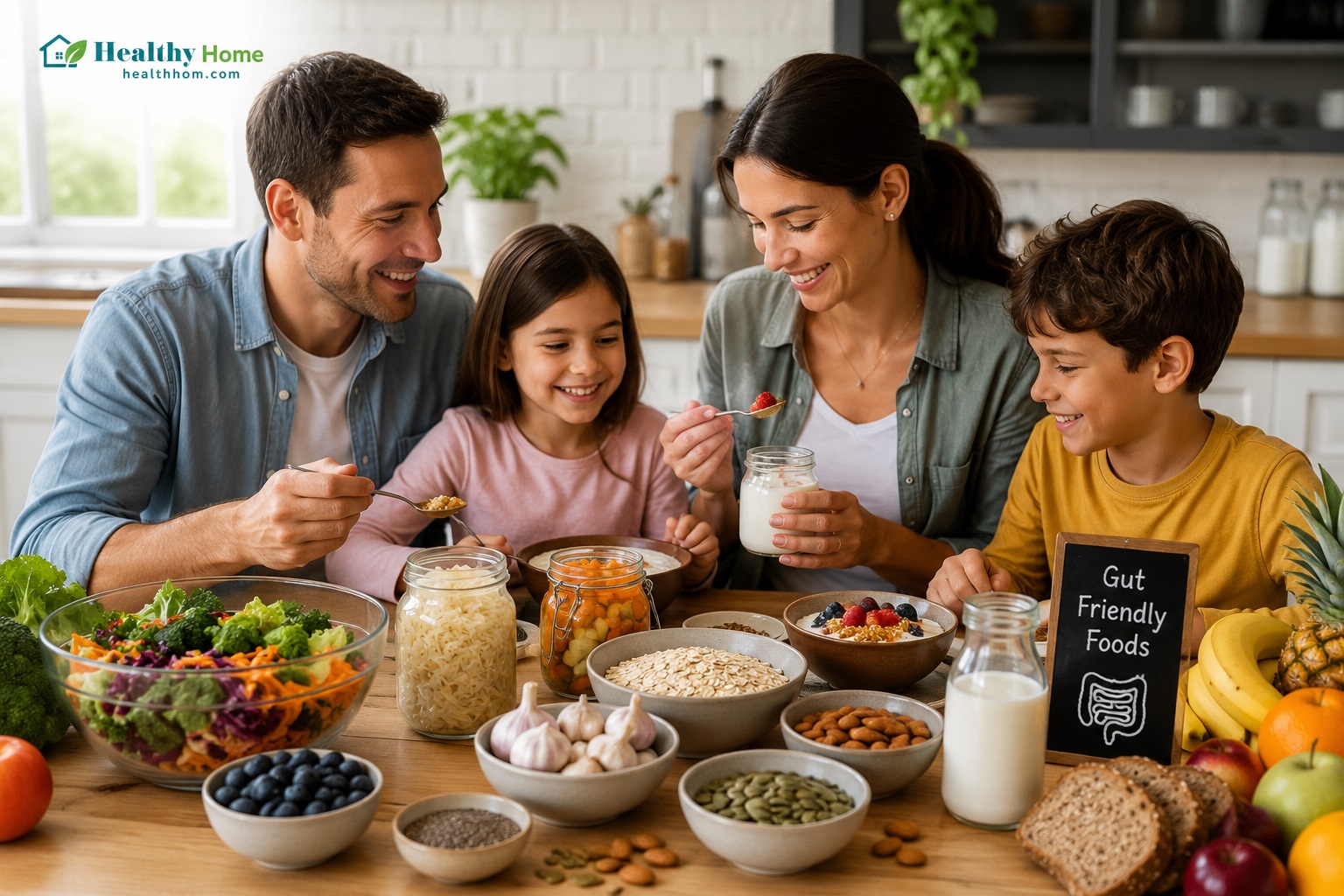
Gut friendly foods are the foods rich in probiotics, prebiotics and fiber that help to support the balance of beneficial bacteria in the digestive system. Examples are yogurt, kefir, oats, bananas and fermented vegetables etc..
To further improve digestion, you can follow a structured 7-day gut health plan designed to restore and balance your microbiome.
Global Insights on Gut Health and Diet
| Indicator | Global Insight | Source |
|---|---|---|
| Estimated number of microbes in the human gut | Around 38 trillion microorganisms form the gut microbiome | Sender et al., Nature Microbiology Review 2016 |
| Role of diet in microbiome diversity | Diet is considered one of the strongest influences on gut microbiota composition | Harvard Health Publishing 2023 |
| Importance of dietary fiber | Higher fiber intake is associated with more diverse gut microbiota | National Institutes of Health (NIH) 2022 |
| Fermented food consumption | Fermented foods contribute beneficial microbes that support microbiome diversity | Stanford School of Medicine 2021 |
What I Frequently Notice During Community Nutrition Programs?
During my community health and nutrition awareness including family counseling in Odisha, I have observed that people are complaining about the bloating, irregular bowel movements, acidity, feeling heaviness after every meal.
Once, one office worker shared his experience about his frequent travel and irregular meal time that were affecting his digestion process. So, after including the curd, local fruits, homemade cooked foods, he gradually improved the eating habits and now lowered the digestive issues.
During a community nutrition discussion, one office worker shared that frequent travel and irregular meals were affecting his digestion. After gradually including curd, fruits, oats and more home-cooked meals, he noticed better eating habits and less digestive discomfort.
Many of them search the expensive digestive supplements to get remedy, but their diet lack just simple foods like curd, fruits, oats, fiber-rich vegetables.
In several situations, digestive disease is not the issue but the imbalance food choices, meal timing, proper hydration and lack of physical activity.
Such observation strikes my mind that gut health can be improved by just simple lifestyle habits not the complicated & costly alternative.
Understanding Probiotics and Prebiotics
| Feature | Probiotics | Prebiotics |
|---|---|---|
| Definition | Live beneficial microorganisms | Non-digestible fibers that feed beneficial microbes |
| Function | Add helpful bacteria to the gut | Nourish existing gut bacteria |
| Common food sources | Yogurt, kefir, kimchi | Garlic, onions, oats, bananas |
| Role in diet | Supports microbiome diversity | Supports bacterial growth |
Source: International Scientific Association for Probiotics and Prebiotics (ISAPP) 2022
A Family Habit That Improved Digestion Naturally:
During my nutrition awareness sessions, a mother informed that her two school going children are frequently complaining about stomach pain including irregular bowel habits.
First, she thought that the issue is due to the outside fast food. But, after discussion in the mean time she realized the main cause like skipping of breakfast and giving packaged snacks.
The family gradually provided locally available fruits like banana, homemade curd, oats to their children. Within a few months of such practice the children were in a habit of good food with much less digestive issues.
This example may not be suitable for all children as they are different from each other, but simple food habits may influence the better digestion process.
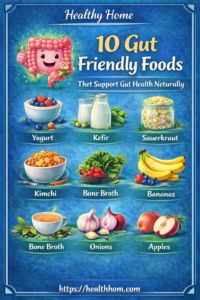
10 Gut Friendly Foods :
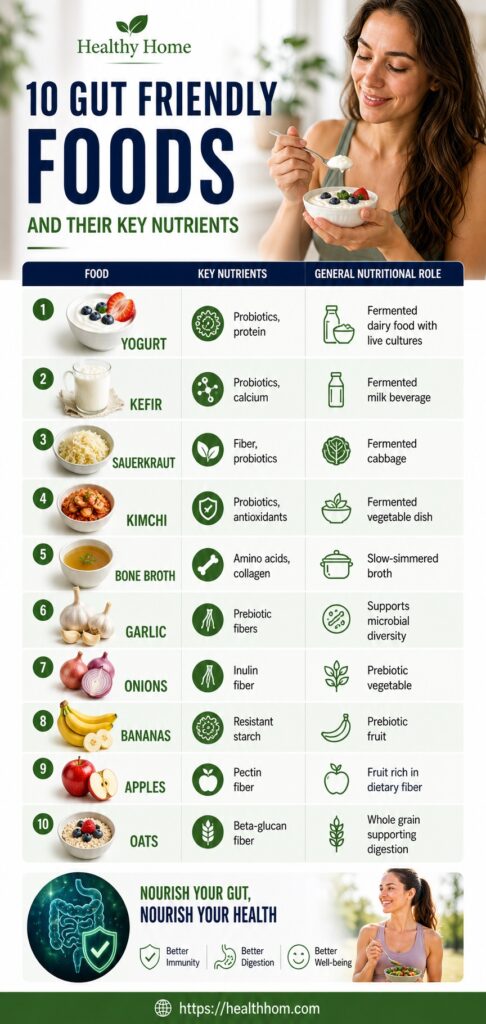
Gut Friendly Foods and Their Key Nutrients
| Food | Key Nutrients | General Nutritional Role |
|---|---|---|
| Yogurt | Probiotics, protein | Fermented dairy food with live cultures |
| Kefir | Probiotics, calcium | Fermented milk beverage |
| Sauerkraut | Fiber, probiotics | Fermented cabbage |
| Kimchi | Probiotics, antioxidants | Fermented vegetable dish |
| Bone broth | Amino acids, collagen | Slow-simmered broth |
| Garlic | Prebiotic fibers | Supports microbial diversity |
| Onions | Inulin fiber | Prebiotic vegetable |
| Bananas | Resistant starch | Prebiotic fruit |
| Apples | Pectin fiber | Fruit rich in dietary fiber |
| Oats | Beta-glucan fiber | Whole grain supporting digestion |
Source: USDA FoodData Central 2023
These gut-supporting foods are part of functional food benefits, which provide additional health advantages beyond basic nutrition.
1. Yogurt
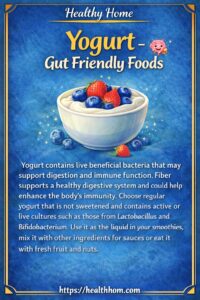
Yogurt contains live beneficial bacteria that support digestion and immune function. Fiber supports a healthy digestive system and could help enhance the body’s immunity. Choose regular yogurt that is not sweetened and contains active or live cultures such as those from Lactobacillus and Bifidobacterium. Use it as the liquid in your smoothies, mix it with other ingredients for sauces or eat it with fresh fruit and nuts.
2. Kefir
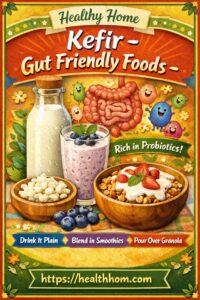
Kefir contains a wider variety of bacterial strains in “Kefir” rather than “Yogurt”. Yogurt is filled with useful yeasts and bacteria that settle in the gut, combat inflammation and help some people with lactose intolerance digest the milk sugar. You can consume it without additions, make a smoothie with it or pour it over granola.
3. Sauerkraut
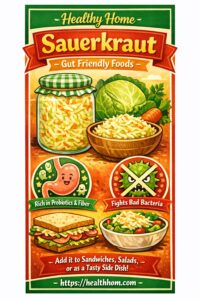
This food is both rich in probiotics and fiber. Consequently, the stomach turns out to be a more hospitable habitat to good bacteria and a worse habitat to bad germs. Add it to your favorite sandwiches, salads or use it as a spicy side dish.
4. Kimchi
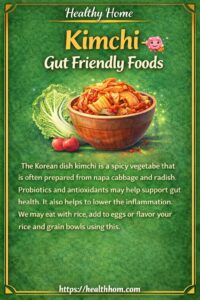
The Korean dish kimchi is a spicy vegetable that is often prepared from napa cabbage and radish. Probiotics and antioxidants may support gut health. It also helps to lower the inflammation. We may eat with rice, add to eggs or flavor your rice and grain bowls using this.
5. Bone Broth
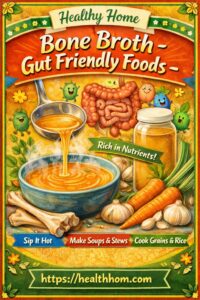
First step is to simmer the bones & tissues of animals in water, so that it will release gelatin, collagen & amino acids. They may support the gut lining in the gut, help with inflammation and improve digestion. Dip or pour it warm, boil soups and stews with it or cook your rice and other grains in it for an extra kick of taste.
6. Garlic
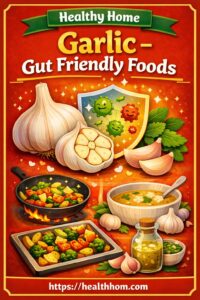
It aids in boosting the development of useful bacteria found in the digestive tract of your body. It also contains properties that protect against microbes and fungi. Place garlic in your stir fries, soups, roasted vegetables or you can mince it into salad dressings.
Many gut-friendly foods also act as anti-inflammatory foods, helping reduce digestive irritation and support healing.
7. Onions
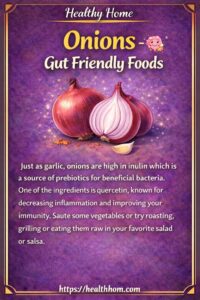
Just as garlic, onions are high in inulin which is a source of prebiotics for beneficial bacteria. One of the ingredients is quercetin, known for decreasing inflammation and improving your immunity. Saute some vegetables or try roasting, grilling or eating them raw in your favorite salad or salsa.
8. Bananas
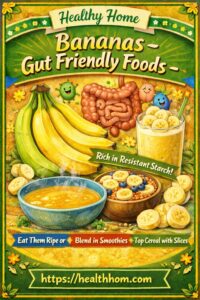
If you consume green bananas, you get resistant starch that promotes healthy gut bacteria. Their presence improves bowel movements and is gentle for the stomach. You can eat them with pleasure so that they can be combined with some beverage, or you can use some to mix a shake, or you can add them to your cereal.
A healthy gut also supports endocrine function, and certain foods that balance hormones can further enhance overall well-being.
9. Apples
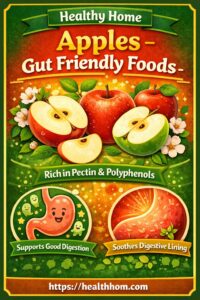
Pectin that is a form of fiber in apples acts as a prebiotic. Eating foods with pectin provides nutrients to advantageous bacteria in the gut and support good digestion. In addition, apples have polyphenols that soothe the lining of your digestive tract.
10. Oats
The beta glucan in oats is a type of soluble fiber that contributes to the healthy growth of your gut bacteria and enhances the lining of your gut. They contribute to a reduction in cholesterol and in helping to maintain healthy blood sugar. We can prepare as oatmeal, bake with it or mix in the morning for quick overnight oats
Affordable Gut-Friendly Foods Commonly Used in Indian Homes:
| Food | Gut Benefit |
|---|---|
| Homemade curd | Natural probiotics |
| Buttermilk | Digestive support |
| Banana | Prebiotic fiber |
| Moong dal | Easy digestion |
| Oats | Soluble fiber |
| Garlic | Prebiotic compounds |
| Onion | Inulin fiber |
| Fermented rice (Pakhala in Odisha) | Traditional fermentation |
| Idli/Dosa batter | Fermented food |
| Seasonal fruits | Fiber support |
Many Indian families already consuming various types of gut friendly foods without knowing its value.
How to Achieve the Best Gut support
- A variety of vegetable food associated with serve your microbiome
- Make sure to drink water as it improves the fiber functions in the body.
- Avoid using too much sugar or eating foods that have been processed, as they encourage unhealthy bacteria.
- Try to have both probiotics and prebiotics, as probiotics supplement your gut with good bacteria and prebiotics help feed them.
Making consistent healthy food choices for families helps maintain long-term gut balance and overall wellness.
Example Daily Gut-Friendly Meal Pattern
| Meal | Example Food Choice |
|---|---|
| Breakfast | Oats with banana and yogurt |
| Lunch | Vegetable meal with garlic and onions |
| Snack | Apple or kefir smoothie |
| Dinner | Soup made with bone broth |
| Optional | Fermented vegetables |
Source: Harvard Healthy Eating Plate 2022
Good gut health is essential for child health and development, supporting immunity, growth and cognitive function.
Common Mistakes That May Affect Gut Health
- Skipping breakfast regularly
- Eating too quickly
- Drinking very little water
- Depending heavily on processed snacks
- Taking antibiotics unnecessarily
- Expecting immediate results from one food
- Ignoring sleep and stress management
In my field experience, these habits can help to limiting the digestive discomfort.
Foods That May Worsen Gut Health
Examples:
- Excess alcohol
- Ultra-processed foods
- Sugary beverages
- Frequent fast foods
Signs of Poor Gut Health:
Examples:
- Bloating
- Constipation
- Diarrhea
- Excess gas
- Food intolerance
Frequently Asked Gut Health Myths:
| Myth | Fact |
|---|---|
| All bacteria are bad | Many are beneficial |
| Probiotics alone fix gut health | Diet pattern matters more |
| Expensive supplements are necessary | Many food sources exist |
My Observation as a Public Health Professional
I have observed from my public health career that many people focus on treatment only after the digestive concerns appear.
The simple daily habits like eating fiber rich foods, physical workout, drinking recommended quantity of water, adding fermented foods may be able to lower the digestive issues. I have learnt these from many families were are already in a such good habits.
An important point be noted that single food only can’t prevent the digestive disorder, this requires healthy dietary pattern matters a lot for gut health..
Key Message
You shouldn’t think that only one food will beneficial for gut health, but the food pattern is the key.
As per the study of National Institutes of Health (2022) and Harvard health (2023), they show that the diet we eat rich in fiber and fermented foods is directly linked with the balancing of gut microbiome
So, to overcome the problem, the following step can be followed:
- Eat a variety of whole, fiber-rich foods
- Include natural probiotics like yogurt or kefir
- Stay consistent with your habits
Just by choosing the right choice like adding oats in your breakfast or including garlic in your meals, associated with the improvements in gut health naturally in due time.
You are not supposed to take all the foods at a time or to maintain a complicated lifestyle, but just start with only one or two foods from the suggested list.
Because, if your gut is healthy, starting from energy to focus will improve gradually.
Improving gut health is one of the key strategies for strengthening the immune system naturally.
Foods That Reduce Microbiome Diversity
| Food Category | Examples |
|---|---|
| Ultra-processed foods | Packaged snacks |
| High added sugar foods | Sugary drinks, desserts |
| Artificial sweeteners | Diet sodas |
| Excess alcohol | Alcoholic beverages |
Source: Nature Reviews Gastroenterology 2021

FAQs:
Q1: How soon will food help your gut to heal?
Ans. It depends on the person, but if you eat gut-friendly foods everyday, you can feel improvements after only a few months. When tissues have been deeply damaged by infections or if the issue is chronic, it may take several months or more before you feel ready.
Q2. Do I have to eat gut-healing meals on a daily basis?
Ans. Yes, oats, bananas, yogurt and garlic are among the foods on the list that you can eat every day. Including different foods will give your gut microbiome the best kind of variety.
Q3: What is the difference between prebiotics and probiotics?
Ans. Fermented foods like Yogurt, Kefir & Kimchi have the Probiotics with a live bacteria . Those good bacteria in our gut are fed and assisted by prebiotics which are fibers found in garlic, onions and oats.
Q4: I have problems with digestion, so will these foods benefit me?
Ans. Many of these foods will help your digestive system. Still, a few individuals who have IBS or other gut sensitivities may progress slowly with these items and notice their reactions. Consult a medical practitioner in case of any symptoms.
Q5. Should I avoid eating certain types of foods in order to heal my gut?
Ans. Strive to reduce your intake of processed foods, added sugar, alcohol, unhealthy sweeteners and trans fats, as they can harm your intestines.
Q6. Does it mean that I could not heal my gut without supplements?
Ans. Many times, this happens. If you follow a diet full of probiotics and prebiotics, relax and sleep well, you do not need to use supplements to have a healthy gut.
Q7: Does maximum types of fermented foods provide benefit to the gut?
Ans. Yes, consuming a variety of fermented foods may support gut microbiome.
Q8: Is it true that, bone broth acts a meaningful food to support your gut naturally?
Ans. While this isn’t always needed, the amino acids and collagen in bone broth might may help to reduce digestive discomfort in some individuals and reduce discomfort in the stomach.
Related Health Articles from Healthy Home :
- Top 5 Anti-Aging Supplements — discover the most effective supplements that support cellular health and slow down signs of aging.
- Functional Food Benefits — learn how functional foods like berries, nuts, and whole grains can boost immunity and well-being.
- Anti-Inflammatory Foods — explore foods that help reduce inflammation naturally and support long-term health.
- 7-Day Gut Health Plan — a week-long nutrition plan designed to heal and balance your gut microbiome.
- 7 Natural Foods for Women’s Hormone Balance — a guide to foods that can help regulate female hormones and support hormonal health.
Trusted References and Research Sources:High Protein Indian Diet Plan: 7-Day Family Meal Plan with Affordable Protein FoodsHealthy Nutrition Guide for Families : Balanced Diet, Gut Health and Weekly Meal PlanHealthy Living Guide for Families : Nutrition, Sleep and Daily Wellness Habits11 Iron Rich Foods During Pregnancy : Benefits and Healthy Meal IdeasWhat is a balanced daily meal plan? Nutrition Guide and 7-Day Diet Plan
- 5 simple ways to improve gut health – Harvard Health
- Food Components and Dietary Habits: Keys for a Healthy Gut Microbiota — an open-access review exploring how diet shapes the gut microbiome and overall gut health.
- [PMC article PMC10773664] — a peer-reviewed paper accessible via PMC on gut or nutrition science.
- Feed Your Gut: Harvard Health Publishing — expert article from Harvard on how to support gut microbes through diet.
- The Leaky Gut Diet: What to Eat, What to Avoid — article on the diet approach for supporting a healthy gut lining.
- [PMC article PMC10255361] — another open-access research article via PMC dealing with nutrition/gut health topics.


About the Author – “Bibhu Ranjan Mund”, Master in Public Health (MPH) from IIHMR University, Jaipur (Rajasthan) has more than 18 years of experience in Public Health activities in maternal health, child health, adolescent health, nutrition and community wellness programs under National Health Mission, Health & Family Welfare Department, Odisha. He is the founder of “Healthy Home” and translates the evidence based public health information into a practical source so that families may able to apply in everyday life. All the information are for educational purposes only and not replaces the professional medical advice. ORCID Researcher ID – 0009-0003-0158-4992. Connect LinkedIn – https://www.linkedin.com/in/bibhu-ranjan-mund-b72171358/