Last Updated on June 13, 2026 by Bibhu Ranjan Mund, MPH
Discover 7 natural remedies for hormonal acne, including diet, stress control, and lifestyle tips to support hormone balance and clearer skin.
Reviewed by Bibhu Ranjan Mund, MPH (Public Health Expert) with experience in maternal, infant, child, and adolescent health programs. Content is based on evidence-informed guidelines aligned with organizations such as the World Health Organization, UNICEF, Centers for Disease Control and Prevention, and National Institutes of Health.
Medical Disclaimer: This content is for informational and educational purposes only and is not intended as medical advice, diagnosis, or treatment. Always seek the advice of a qualified healthcare professional regarding any medical condition or concerns.
Introduction :
Do you think that hormonal acne is just a skin problem, “no” its trying to tell you something else. You may have dark spots around your chin, jawline or neck, specially before period.
As per the study report of the Global Burden of Disease Study (2019), it shows that 9.4% of population are affecting by acne globally and it’s 15-20% for adult women who are struggling with acne after their teen age also.
But it shouldn’t be ignored that, creams and face washes may often treat the skin surface, not the whole root cause.
Actually, hormonal acne is directly linked with the various imbalances like insulin, cortisol (stress hormone) and androgens. The real improvement is to support your body internally, not by just applying different products externally.
In this article, you will find-out the 7 natural remedies for hormonal acne which help to regulate the hormones, reduce inflammation and support the long-term health, not relying on complicated treatments.
This guide is Not a replacement for medical treatment in severe acne or PCOS
Global Acne Overview
| Indicator | Estimate | Source |
|---|---|---|
| Global prevalence of acne | ~9.4% of the global population | Global Burden of Disease Study (2019) |
| Acne among adolescents | Up to 80–85% experience acne at some stage | American Academy of Dermatology (2022) |
| Adult women affected by acne | Up to 15–20% report persistent acne | Journal of Clinical and Aesthetic Dermatology (2020) |
| Acne listed among most common skin conditions worldwide | Top dermatological conditions globally | WHO Global Skin Health Reports (2021) |
Understand the hormonal acne and what its reality?
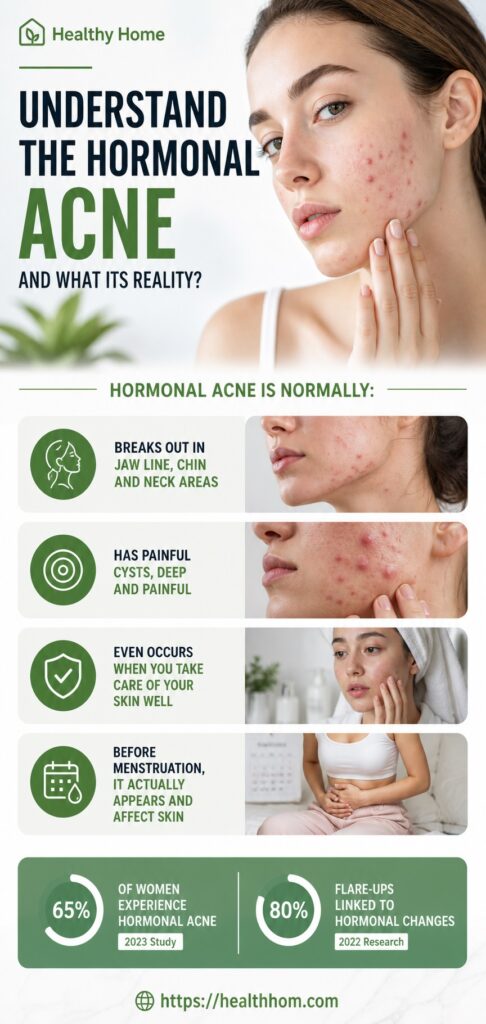
Hormonal acne is normally:
- Breaks out in jaw line, chin and neck areas
- Has painful cysts, deep and painful
- Even occurs when you take care of your skin well
- Before menstruation, it actually appears and affect skin
Hormonal acne often reflects internal imbalances, learn how nutrition supports hormones in our guide on Women Hormone Balance Diet.
Key types of Hormones :
- Androgens (Testosterone, DHT) increase the work of oil (sebum) too much production
- Estrogen/Progesterone which actually works for menstrual changes in skins & imbalance in menstrual cycle
- Insulin with IGF(1) which generally inform us more about the skin & cell turnover of the oil
- Cortisol which is a stress hormone actually makes the skin more inflammatory with greasy
Stress management is key for hormonal acne, try these 5-Minute Mindfulness Exercises for Kids & Teens to naturally reduce cortisol
If acne is not controlled, different types of lab tests to conduct as follows:
- Androgens, Testosterone
- Estrogen/ Progesterone Ratio (day 21 of the cycle in particular)
- DHEA-S
- T4, T3, TSH
- Insulin Fasting & Glucose
Hormonal acne is often linked with metabolism, track your health markers using this guide on How to Know Your Cholesterol, BMI & BMR
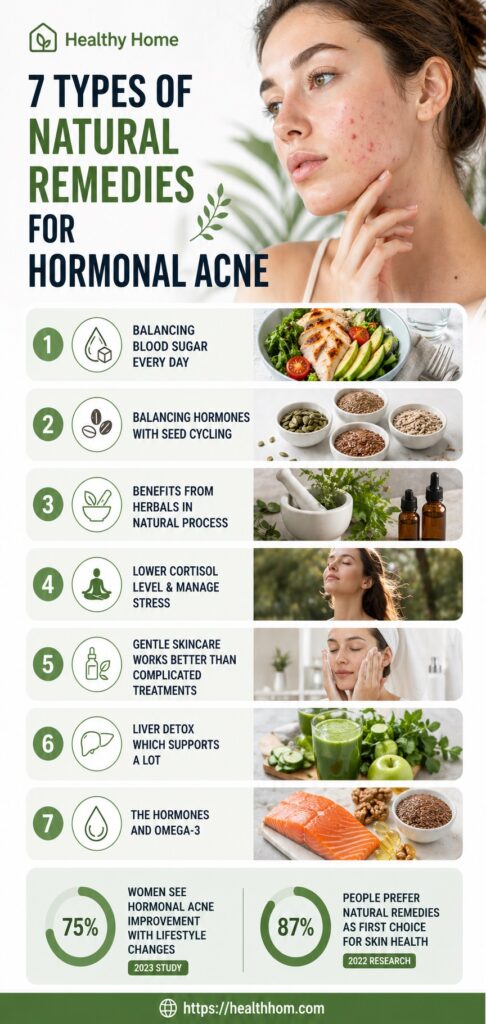
1. Balancing the blood sugar level in the body every day:
Blood sugar spikes the level of insulin & worsen the acne.
Natural steps are as follows:
- Avoid carbonated sugar and whites textured carbs
- Focus the meals containing lots of fiber.
- We must ensure that every meal must include protein with healthy fats
- Prior to meals, drink some water mixed with vinegar of apples (enhances responses to insulin)
Choosing anti-inflammatory foods can reduce skin flare-ups, explore the Best Anti-Inflammatory Foods to Eat Daily for better skin health.”
2. Balancing the hormone in human which is also a Seed Cycling:
It is an old remedy that works with seeds to maintain you with estrogen and progesterone levels going through your period.
Its working process :
- From 1st to 14th day which is called as Follicular phase : We may use Flax with Pumpkin seeds (1 table spoon every day)
- From 15th to 30th day which is called as Luteal phase: We may use Sunflower with Sesame seeds
With lots of phytoestrogens, lignans, zinc and selenium, seed cycling can be used to naturally balance hormones gradually.
3. Benefits from herbals in natural process:
- Spearmint Tea/ 1–2 cups/ per day/ Lowers androgens and in particular PCOS
- Vitex (Chaste Tree) -800 to 1000 mg/ day People use vitex (Chaste Tree) Support progesterone, regulating the cycles
- Cruciferous vegetables- Supplements or broccoli, and kale that facilitate the clearance of estrogens
- Licorice Root 3: avoid high blood pressure with herbalist; reduces DHT
Precaution: take care to consider a physician when under medication or in pregnancy.
4. Cortisol level decrease during dealing with stress
Levels of stress elevate production of oil and inflammation.
Natural Techniques:
- Everyday hikes into the nature
- The use of 10 mins of deep breathing or meditation
- Ashwagandha roots teas or capsules, is the source of cortisol regulation
- Good sleep: 7–9 sleeping hours, i.e. stable sleep-wake cycle
A healthy gut plays a major role in hormonal balance, follow this 7-Day Gut Health Plan for Families to support clearer skin.
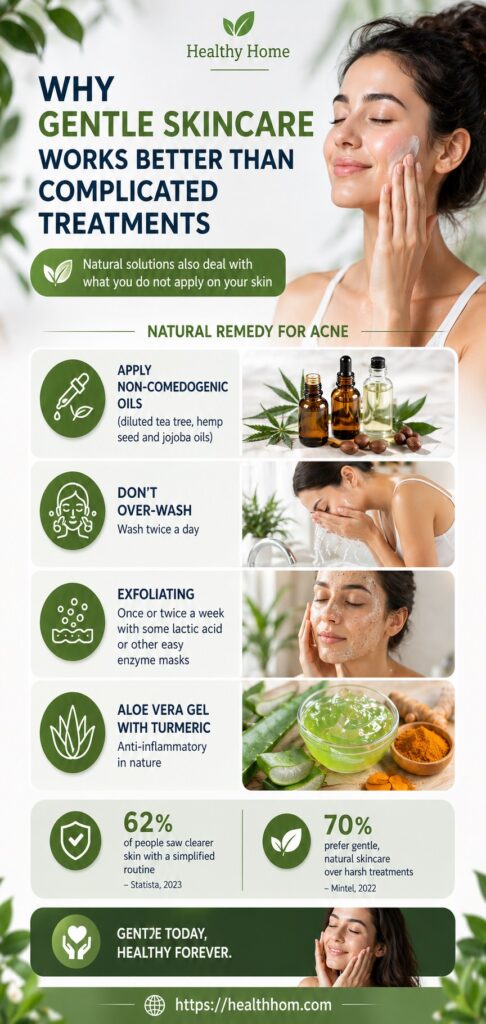
5. Why Gentle Skincare Works Better Than Complicated Treatments
Natural solutions also deal with what you do not apply on your skin ; Natural Remedy for Acne
Tips:
- Apply non-comedogenic oils (diluted tea tree, hemp seed and jojoba oils)
- Don’t over-wash; wash twice a day
- Exfoliating Once or twice a week with some lactic acid or other easy enzyme masks
- Aloe vera gel with turmeric which is anti-inflammatory in nature
Turmeric is a powerful anti-inflammatory ingredient, read more about its benefits in Health Benefits of Turmeric.
Natural Ingredients Used in Skin Care
| Ingredient | Traditional Use | Source |
|---|---|---|
| Tea tree oil | Commonly used in topical skincare | National Center for Complementary and Integrative Health (2021) |
| Aloe vera | Used for soothing skin | NIH Complementary Health Review (2020) |
| Jojoba oil | Used as moisturizing oil | Dermatology Research Journal (2019) |
| Turmeric | Traditionally used in herbal skincare | Journal of Herbal Medicine (2021) |
6. Liver Detox which supports a lot:
Extra hormones such as estrogen are passed through your liver.
Tips: Natural Remedy for Acne
- Take a start in the morning with warm lemon water
- Add cabbage, kale and broccoli daily
- Add tea made of milt thistle, or dandelion root
- Eight glasses of water may be taken daily
Proper hydration supports detoxification, use this Hydration Routine by Climate & Activity to maintain skin health
7. The Hormones and Omega-3 :
The majority of those with skin prone to acne have inflammatory skin, exacerbated by diets that are rich in omega-6 (these are processed oils).
- Omega 3 increases
- Fat types of fish as salmon or sardines
- Chia and walnuts, flax seeds
- Fish oil supplements (being the best quality and pure)
Acne trigger list:
- Dairy (in particular skim milk) – Substitute with almond, coconuts or oats milk
- Too much caffeine 1 a day also drink a lot of water
- Evening hours late bedtimes 10.30 to 11 PM to repair hormones
- Dusty pillow cases- 2 washings a week
- Lots of make-up: go with mineral based brands or clean beauty brands
Quality sleep helps regulate hormones, follow this 7 Day Plan to Sleep Like a Baby for better skin and recovery.
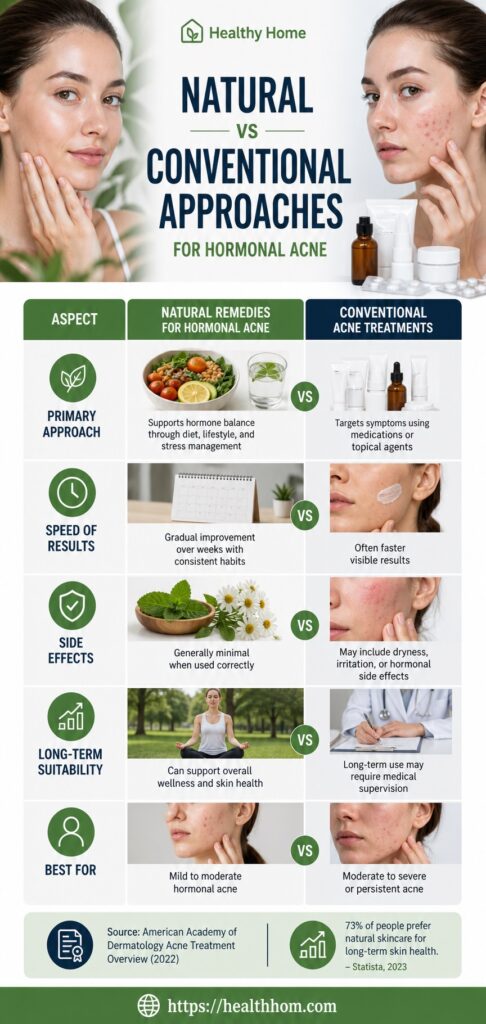
Source: American Academy of Dermatology Acne Treatment Overview (2022)
Time schedule of natural healing of acne:
Natural cures are long term. And a rough chronology was:
General Skin Renewal Timeline
| Time Period | Typical Skin Changes |
|---|---|
| 1–2 weeks | Skin adjustment to new routine |
| 3–4 weeks | Skin cell turnover cycle occurs |
| 6–8 weeks | Lifestyle habits may influence skin appearance |
| 8–12 weeks | Visible changes may occur with consistent routine |
Source: American Academy of Dermatology Skin Renewal Research (2021)
Nutritional deficiencies can affect skin health, explore essential nutrients in Iron-Rich Foods During Pregnancy.
Key points
Sometimes, hormonal feel you frustrating when no treatment actual works in long-term.
The actual problem of hormonal acne is due to the happening inside your body not may be external factor.
But the important point is :
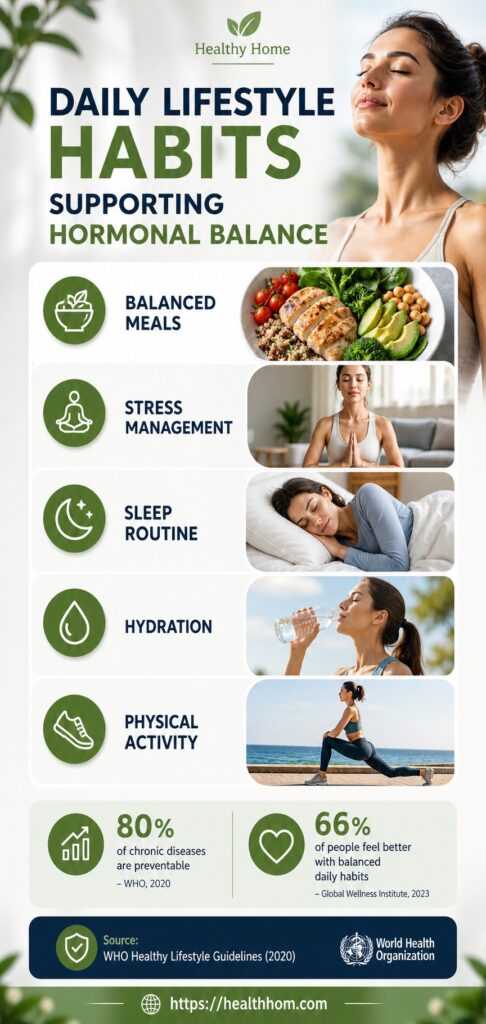
If you really wants to improve your skin naturally, then you have to start with small but consistent changes in your diet schedule, decrease stress level, quality sleep and daily habits which may gradually rebalance your hormones. These remedies will not work overnight, but after in due time it may become sustainable healing.
Start with simple like:
- Balance your meals
- Prioritize sleep
- Manage stress
- Be gentle with your skin
Subsequently, these small habits may reduce acne and also improve your overall health in long-term.
It must be remembers that, if the acne is severe, painful or linked with PCOS, it must be consulted with a qualified healthcare professional before taking any decision.
Want the faster results in acne management? You may combine these remedies with a hormone-friendly diet plan.
FAQs:
What is hormonal acne?
Hormonal acne, which is generally attributed to the hormonal changes, particularly, androgens, insulin, estrogen and cortisol. It is commonly shown in the neck, jaw and the chin.
Is it possible to treat hormonal acne in natural way?
Yes. Mild to moderate hormonal acne can be treated through natural means like balanced nutrition, stress and proper skincare and lifestyle habits which can help in making hormones balanced.
How long natural remedies take to work for acne?
The natural remedies are typically time consuming. Observable changes can be expected in 2-4 weeks, but the stabilization of skin balance can be expected in 8-12 weeks when the habits are maintained.
Is diet a causative factor of hormonal acne?
Yes. Personal dietary habits can exacerbate acne by increasing consumption of refined sugar, dairy and processed foods and alleviate acne by consuming more fiber, healthy fats and ensuring a healthy protein level.
Is it possible that stress is the cause of hormonal acne?
Stress chronicity may elevate cortisols, which may cause inflammation and oil overproduction which could be underlying factors of hormonal acne.
Can acnes and hormones be treated using herbal remedies?
There are also herbs that can be used to promote hormonal health, however these may not always work. Expectant women or those who are taking medication should seek out the medical practitioner before they use it.
Related Health Articles from Healthy Home
- Turmeric Benefits – Healthy Home
- Hormone Balance Diet – Healthy Home
- Iron-Rich Foods Guide – Healthy Home
- Cholesterol, BMI & BMR Guide – Healthy Home
Trusted References and Research Sources:
- Does diet really matter when it comes to adult acne? – Harvard Health
- Hormonal Acne Guide – Healthline
- Acne Pathogenesis Study – PubMed Central (PMC)
- Alternative Acne Treatments – WebMD
- Acne Therapy Research – PubMed Central (PMC)
- Acne Treatment Overview – Mayo Clinic
- Hormonal Acne Explained – WebMD


About the Author – “Bibhu Ranjan Mund”, Master in Public Health (MPH) from IIHMR University, Jaipur (Rajasthan) has more than 18 years of experience in Public Health activities in maternal health, child health, adolescent health, nutrition and community wellness programs under National Health Mission, Health & Family Welfare Department, Odisha. He is the founder of “Healthy Home” and translates the evidence based public health information into a practical source so that families may able to apply in everyday life. All the information are for educational purposes only and not replaces the professional medical advice. ORCID Researcher ID – 0009-0003-0158-4992. Connect LinkedIn – https://www.linkedin.com/in/bibhu-ranjan-mund-b72171358/