Last Updated on March 27, 2026 by Bibhu Ranjan Mund, MPH
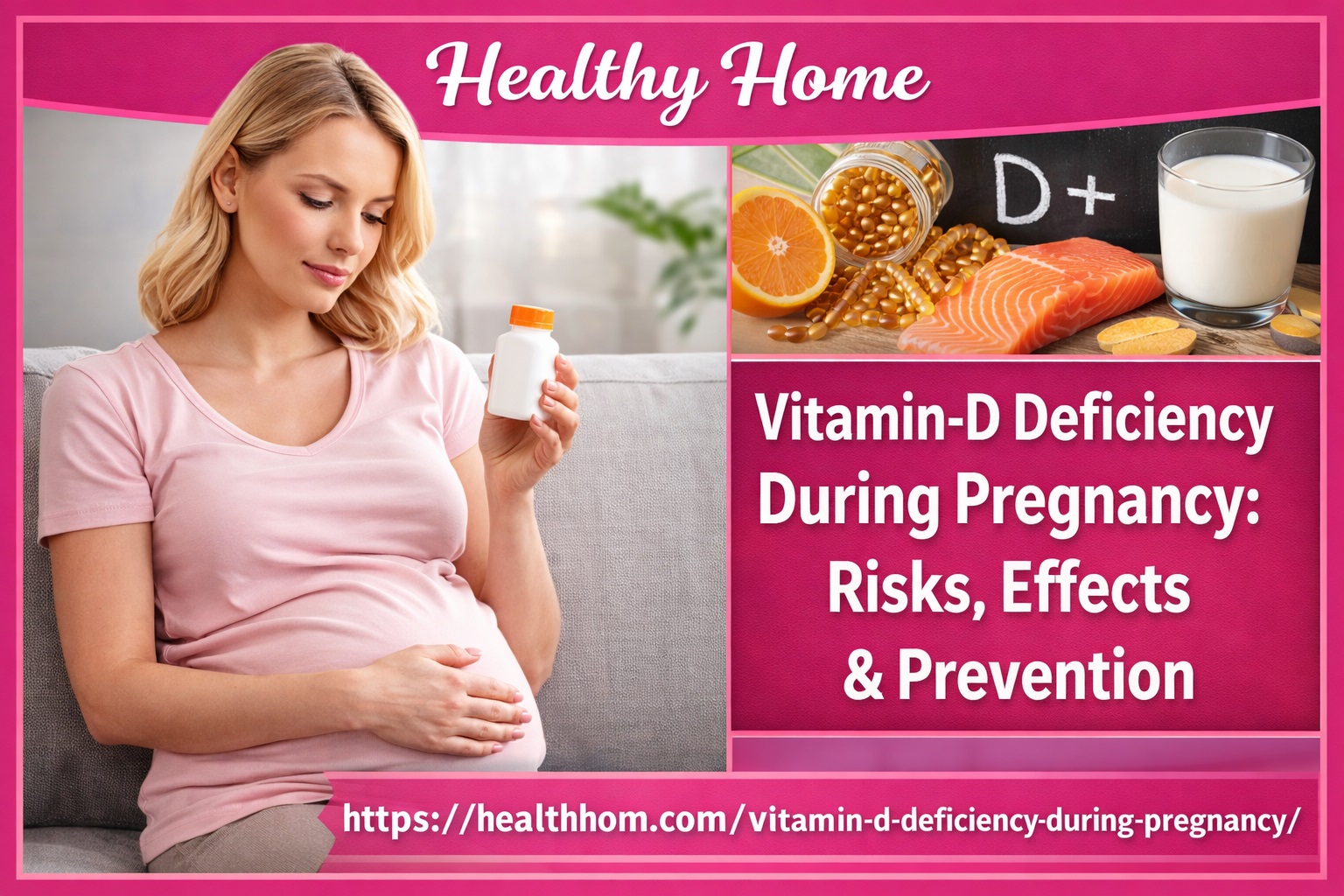
Mothers who consume low amounts of Vitamin D, have limited sun exposure or already have deficiencies are at higher risk of Vitamin-D Deficiency During Pregnancy
Reviewed by Bibhu Ranjan Mund, MPH (Public Health Expert) with experience in maternal, infant, child, and adolescent health programs. Content is based on evidence-informed guidelines aligned with organizations such as the World Health Organization, UNICEF, Centers for Disease Control and Prevention, and National Institutes of Health.
Last reviewed on: 22 March 2026.
Medical Disclaimer: This content is for informational and educational purposes only and is not intended as medical advice, diagnosis, or treatment. Always seek the advice of a qualified healthcare professional regarding any medical condition or concerns.
Affiliate Disclosure: This article contains affiliate links. If you purchase through these links, we may earn a small commission at no extra cost to you.
The prenatal stage is critical, as proper nutrition directly affects the health of both the mother and the unborn child. Vitamin D is one of the most commonly overlooked nutrients during pregnancy, particularly among women with low dietary intake, limited sun exposure, or existing deficiencies who do not have much sun exposure or who already suffer deficiencies.
Vitamin D plays a critical role in calcium absorption and bone health. The sustained deficiency in the course of pregnancy can lead to a negative influence on the formation of bones in a fetus and the probability of multiple pregnancy-related complications.
Along with Vitamin D, other nutrients like iron and Vitamin B12 also play a vital role in pregnancy. Read our detailed guide on Iron-Rich Foods During Pregnancy and Vitamin-B12 Deficiency During Pregnancy to understand their importance
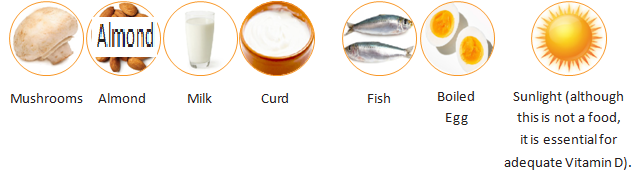
Vitamin D–Rich Foods Include: Fatty fish, fortified milk and cereals, egg yolks, and fortified plant-based foods.
| Food Source | Approx. Vitamin D (IU per serving) |
|---|---|
| Salmon (100g) | 400–600 IU |
| Sardines | 270 IU |
| Fortified milk (1 cup) | 100–120 IU |
| Egg yolk | 40 IU |
| Fortified cereals | 40–100 IU |
Global Vitamin D Deficiency in Pregnancy
| Indicator | Estimated Data |
|---|---|
| Global Vitamin D deficiency (general population) | ~30–50% |
| Deficiency in pregnant women (varies by region) | 20–60% |
| Higher prevalence in women with darker skin | Significantly increased |
| Recommended intake (pregnancy) | 600 IU/day |
| Severe deficiency cutoff | <20 ng/mL |
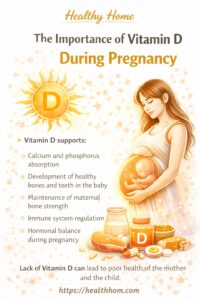
The Importance of Vitamin D During Pregnancy
Vitamin D supports:
- Calcium and phosphorus absorption
- Development of healthy bones and teeth in the baby
- Maintenance of maternal bone strength
- Immune system regulation
- Hormonal balance during pregnancy
Lack of Vitamin D can lead to poor health of the mother and the child.
A balanced prenatal diet, including nutrients like folic acid and vitamin B12, supports healthy pregnancy outcomes. Vitamin B12 works closely with other nutrients in fetal brain and nerve development—learn more in our article on Vitamin-B12 Deficiency During Pregnancy: Risks, Symptoms & Prevention.
A balanced prenatal diet, including nutrients like folic acid and vitamin B12, supports healthy pregnancy outcomes.
Vitamin D Role Across Pregnancy
| Trimester | Importance |
|---|---|
| 1st | Placental development |
| 2nd | Bone mineralization |
| 3rd | Peak fetal calcium transfer |
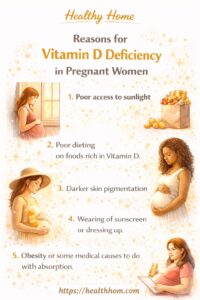
Reasons for Vitamin D Deficiency in Pregnant Women
- Poor access to sunlight.
- Poor dieting on foods rich in Vitamin D.
- Darker skin pigmentation
- Wearing of sunscreen or dressing up.
- Obesity or some medical causes to do with absorption.
High-Risk Groups for Vitamin D Deficiency
| Risk Factor | Why Risk Increases |
|---|---|
| Limited sun exposure | Reduced natural synthesis |
| Darker skin pigmentation | Lower UV absorption |
| Obesity | Vitamin D sequestration in fat |
| Vegetarian diet | Limited dietary sources |
| Malabsorption disorders | Poor intestinal absorption |
Short-Term Consequences of Vitamin D Deficiency During Pregnancy
Low levels of Vitamin D during pregnancy may lead to several maternal health concerns.
Similarly, iron deficiency during pregnancy can lead to serious complications like anemia and low birth weight—explore our guides on Antenatal Iron Supplementation During Pregnancy and Iron-Rich Foods During Pregnancy.
1. Bone Weakness
Vitamin D deficiency can lead to osteomalacia, a disorder, which leads to soft or weak bones, which predisposes the person to bone pain and fractures.
2. Pregnancy-Induced Hypertension and Pre-eclampsia
Research indicates that insufficient Vitamin D is linked to a high risk of high blood pressure and pre-eclampsia, a severe pregnancy disorder that can only be addressed by health practitioners.
3. Gestational Diabetes Mellitus (GDM)
The lack of vitamin D has been reported to be associated with poor glucose metabolism, which may cause gestational diabetes.
4. Mood Changes
Vitamin D plays a role in mood regulation. Deficiency can be a contribution to the prenatal or postpartum depression, fatigue and low energy levels.

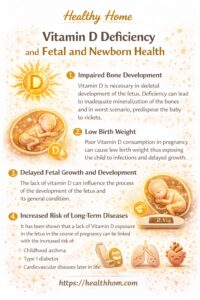
Vitamin D Deficiency and Fetal and Newborn Health
1. Impaired Bone Development
Vitamin D is necessary in skeletal development of the fetus. Deficiency can lead to inadequate mineralization of the bones and in worst scenario, predispose the baby to rickets.
2. Low Birth Weight
Poor Vitamin D consumption in pregnancy can cause low birth weight thus exposing the child to infections and delayed growth.
Nutrients like iron and Vitamin B12 also significantly influence fetal growth and birth outcomes.
3. Delayed Fetal Growth and Development
The lack of vitamin D can influence the process of the development of the fetus and its general condition.
4. Increased Risk of Long-Term Diseases
It has been shown that a lack of Vitamin D exposure in the fetus in the course of pregnancy can be linked with the increased risk of:
- Childhood asthma
- Type 1 diabetes
- Cardiovascular diseases later in life.
Maternal vs Fetal Complications Summary Table
| Maternal Effects | Fetal & Newborn Effects |
|---|---|
| Osteomalacia | Impaired bone mineralization |
| Pre-eclampsia | Rickets |
| Gestational diabetes | Low birth weight |
| Mood disorders | Delayed growth |
| Immune dysfunction | Higher long-term disease risk |
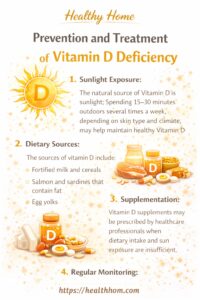
Prevention and Treatment of Vitamin D Deficiency
1. Sunlight Exposure:
The natural source of Vitamin D is sunlight; Spending 15–30 minutes outdoors several times a week, depending on skin type and climate, may help maintain healthy Vitamin D levels., may be used a few times a week to sustain the healthy levels of the vitamin.
2. Dietary Sources:
The sources of vitamin D include:
- Fortified milk and cereals
- Salmon and sardines that contain fat.
- Egg yolks
For a complete pregnancy nutrition plan, including iron, protein, and essential micronutrients, refer to our detailed guide on Healthy Pregnancy Diet & Nutrition.
3. Supplementation:
Vitamin D supplements may be prescribed by healthcare professionals. Vitamin D supplements may be prescribed by healthcare professionals when dietary intake and sun exposure are insufficient. Supplementation should always be done under medical supervision. The use of supplementation should never be done without medical supervision.
4. Regular Monitoring:
Consistent prenatal tests and check-ups can be used to diagnose the deficiency of Vitamin D early on and hence manage it well in time.
Natural vs Supplemental Vitamin D
| Source | Advantages | Limitations |
|---|---|---|
| Sunlight | Free, natural | Depends on climate & skin type |
| Diet | Safe & sustainable | Limited food sources |
| Supplements | Controlled dosage | Requires medical guidance |
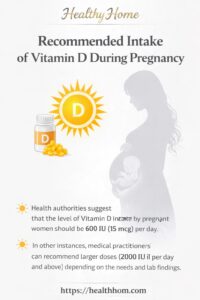
Recommended Intake of Vitamin D During Pregnancy
The health authorities suggest that the level of Vitamin D intake by pregnant women should be 600 IU (15 mcg) per day. In other instances, medical practitioners can recommend larger doses (2000 IU per day and above) depending on the needs and lab findings.
Vitamin D Safety Limits
| Intake Level | Safety Status |
|---|---|
| 600 IU/day | Recommended |
| 1000–2000 IU/day | Often prescribed |
| >4000 IU/day | Upper safe limit (medical supervision needed) |
Conclusion
The Vitamin D level should be maintained at the right levels during pregnancy to maintain maternal health and proper development of the fetus. The pregnant women need to maintain a balanced diet, spend safe periods in the sun, and seek advice from healthcare professionals to take correct supplements and monitoring where necessary.
FAQs:
Related Health Articles from Healthy Home :
- [Iodized salt during pregnancy]
https://healthhom.com/iodized-salt-pregnancy/ - [Vitamin B12 deficiency and pregnancy health]
https://healthhom.com/vitamin-b12-deficiency/ - [Folic acid benefits during pregnancy]
https://healthhom.com/folic-acid-pregnancy/ - [Women’s wellness and preventive health guide]
https://healthhom.com/womens-wellness-guide/ - [Iron supplementation during pregnancy]
https://healthhom.com/iron-supplementation-pregnancy/
Trusted References and Research Sources:
- [WHO guideline on Vitamin D supplementation during pregnancy]
https://www.who.int/tools/elena/interventions/vitamind-supp-pregnancy - [Scientific review on Vitamin D deficiency and pregnancy outcomes (NCBI)]
https://pmc.ncbi.nlm.nih.gov/articles/PMC7905986/ - [WHO recommendations for Vitamin D supplementation in pregnancy]
https://www.who.int/tools/elena/interventions/vitamind-supp-pregnancy - [PubMed study on maternal Vitamin D levels and pregnancy risks]
https://pubmed.ncbi.nlm.nih.gov/33988109/ - [Research article on Vitamin D status in pregnancy and fetal development]
https://pmc.ncbi.nlm.nih.gov/articles/PMC10496605/ - [WHO maternal nutrition publication on Vitamin D and pregnancy]
https://www.who.int/publications/i/item/9789240008120
For more detail, please visit to my website as mentioned below:


About the Author – “Bibhu Ranjan Mund”, Master in Public Health (MPH) from IIHMR University, Jaipur (Rajasthan- IHMR-U/12/2021 -23/0015) has experience of 18 years in Public Health activities like maternal health, child health, adolescent health, nutrition and community wellness programs. Through “Healthy Home”, he shares evidence-based health and wellness guidance designed to support families in making informed lifestyle decisions. This content is for educational purposes only and does not replace professional medical advice. Connect LinkedIn – https://www.linkedin.com/in/bibhu-ranjan-mund-b72171358/