
Last Updated on June 13, 2026 by Bibhu Ranjan Mund, MPH
Learn the symptoms, risks, causes, and prevention of Vitamin D deficiency during pregnancy, including safe sunlight exposure, foods, and supplements.
Reviewed by Bibhu Ranjan Mund, MPH (Public Health Expert) with experience in maternal, infant, child, and adolescent health programs. Content is based on evidence-informed guidelines aligned with organizations such as the World Health Organization, UNICEF, Centers for Disease Control and Prevention, and National Institutes of Health.
Medical Disclaimer: This content is for informational and educational purposes only and is not intended as medical advice, diagnosis, or treatment. Always seek the advice of a qualified healthcare professional regarding any medical condition or concerns.
Introduction:
As per the recent publication by World Health Organization (2024) in the maternal and nutrition reports, it shows that the vitamin D deficiency may affect 20-60% of pregnant women globally, specially who are limited sun exposure or low dietary intake.
So, in our society, many pregnant women only focus on iron & folic acid, but Vitamin D is the most overlooked nutrients by them. Actually, Vitamin D plays a key role in you baby’s growth of bone, immune health and overall development.
Due to low vitamin D level during pregnancy period, it may increase the risk of weak fetal bone development, low birth weight, gestational diabetes, pre-eclampsia and also maternal fatigue.
This evidence-based article will provide you the:
- Causes of Vitamin D deficiency during pregnancy
- Risks for both mother and baby
- Symptoms and warning signs
- Best Vitamin D food sources
- Safe sunlight exposure and supplementation tips
A small nutrient deficiency during pregnancy can sometimes affect a child’s health long after birth.
Did You Know?
Many pregnant women with Vitamin D deficiency may not notice symptoms until complications like fatigue, bone pain, or pregnancy-related disorders develop.
Your baby’s bones begin developing long before birth and Vitamin D plays a major role in that process.
Along with Vitamin D, other nutrients like iron and Vitamin B12 also play a vital role in pregnancy. Read our detailed guide on Iron-Rich Foods During Pregnancy and Vitamin-B12 Deficiency During Pregnancy to understand their importance
Quick Summary:
- Vitamin D supports fetal bone & immune development
- Deficiency may increase pre-eclampsia and low birth weight risk
- Sunlight and fortified foods are major sources
- Pregnant women generally need 600 IU daily
- Supplements should only be taken under medical guidance
A Real-Life Situation Many Families Miss:
During my awareness session related to maternal health in a rural area of Odisha, a pregnant women (2nd trimester) had shared her tired feeling even she was taking regular Iron and Folic Acid Tablets as suggested by healthcare providers. She thought that this tiredness is normal due to pregnancy. But, after medical diagnosis, the healthcare personnel found that she was lacking Vitamin-D level.
After the proper guidance by the healthcare professionals for sunlight exposure, dietary intake & prescribed supplementation, her symptoms gradually improved.
Such cases often develop quietly and may go unnoticed without routine screening.
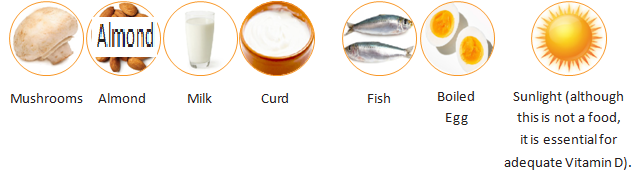
Vitamin D–Rich Foods Include: Fatty fish, fortified milk and cereals, egg yolks, and fortified plant-based foods.
| Food Source | Approx. Vitamin D (IU per serving) |
|---|---|
| Salmon (100g) | 400–600 IU |
| Sardines | 270 IU |
| Fortified milk (1 cup) | 100–120 IU |
| Egg yolk | 40 IU |
| Fortified cereals | 40–100 IU |
Global Vitamin D Deficiency in Pregnancy
| Indicator | Estimated Data |
|---|---|
| Global Vitamin D deficiency (general population) | ~30–50% |
| Deficiency in pregnant women (varies by region) | 20–60% |
| Higher prevalence in women with darker skin | Significantly increased |
| Recommended intake (pregnancy) | 600 IU/day |
| Severe deficiency cutoff | <20 ng/mL |
According to the World Health Organization nutrition reports, it suggests that Vitamin D Deficiency is a common issue among many pregnant women globally, particularly those who are working inside a roof and not taking sufficient dietary intake.
What These Numbers Mean for Expecting Mothers?
The above prevalence is among the pregnant women globally across different countries. Which doesn’t mean that every pregnant mother will develop such complications.
The research findings focus the importance of vitamin D rich foods during the maternal nutrition along-with others like iron, folic acid, calcium, protein intake and regular antenatal care.
As a public health personnel, I view all the above figures as an opportunity to prevent and not to fear. Mostly the vitamin D deficiency can be identified and managed early through awareness, regular antenatal care, healthy & balanced food and proper medical care.
The Importance of Vitamin D During Pregnancy
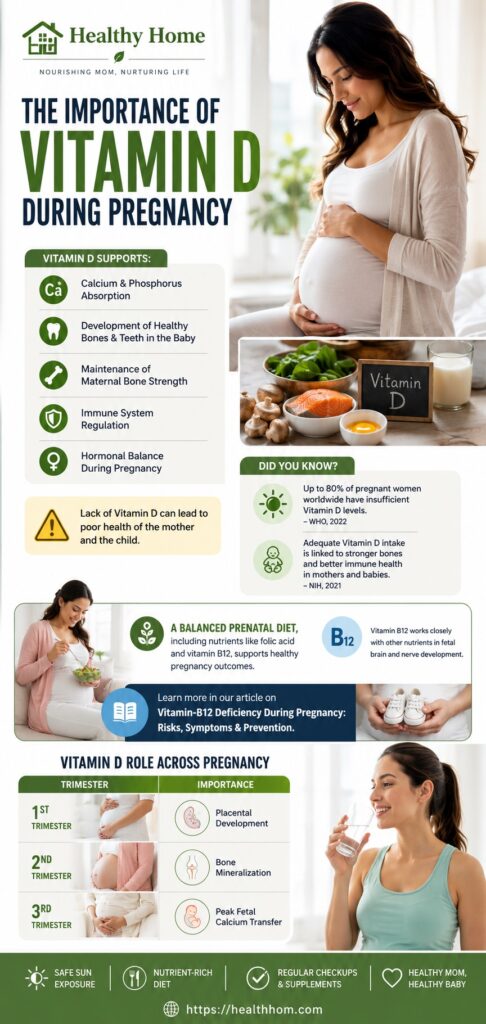
Vitamin D supports:
- Calcium and phosphorus absorption
- Development of healthy bones and teeth in the baby
- Maintenance of maternal bone strength
- Immune system regulation
- Hormonal balance during pregnancy
Lack of Vitamin D can lead to poor health of the mother and the child.
A balanced prenatal diet, including nutrients like folic acid and vitamin B12, supports healthy pregnancy outcomes. Vitamin B12 works closely with other nutrients in fetal brain and nerve development, learn more in our article on Vitamin-B12 Deficiency During Pregnancy: Risks, Symptoms & Prevention.
A balanced prenatal diet, including nutrients like folic acid and vitamin B12, supports healthy pregnancy outcomes.
Public Health Observation:
I have worked in rural and urban areas for maternal and child health programs and noticed that so many awareness session are being conducted for pregnancy nutrition like iron, calcium & folic acid, but less focus to Vitamin-D sources.
Pregnant women can become aware for vitamin D deficiency by through laboratory test or by some visible symptoms like persistent fatigue, bone issue or repeated nutritional problems.
Above symptoms doesn’t replace any clinical evidence, but it can show the gap in routine pregnancy awareness.
Vitamin D Role Across Pregnancy
| Trimester | Importance |
|---|---|
| 1st | Placental development |
| 2nd | Bone mineralization |
| 3rd | Peak fetal calcium transfer |
Reasons for Vitamin D Deficiency in Pregnant Women
- Poor access to sunlight.
- Poor dieting on foods rich in Vitamin D.
- Darker skin pigmentation
- Wearing of sunscreen or dressing up.
- Obesity or some medical causes to do with absorption.
Why Vitamin D Deficiency Is Common in Indian Pregnant Women?
In India also Vitamin D deficiency is very common although it is a sunny country.
Possible reasons :
- Spending the most daytime hours at indoors
- Working in offices or factories and not exposure to sunlight
- Covering most of the body while outdoor visits
- Air pollution reducing the UV exposure in many urban areas
- Vegetarian diets with limited Vitamin D-rich foods
- Darker skin pigmentation requires longer sunlight exposure
It may be interesting to know that, vitamin D deficiency is seen in both rural and urban families. Due to long office hours, work-from-home, reduced outdoor activity, living in apartments have limited the daily sunlight exposure for many pregnant women.
Common Symptoms of Vitamin D Deficiency During Pregnancy:
Symptoms may be:
- Persistent tiredness
- Muscle weakness
- Bone pain
- Back pain
- Frequent body aches
- Mood changes
- Low energy levels
- Increased susceptibility to infections
However, some women may not have any symptoms till the blood tests identify the deficiency.
Common Misunderstandings During Pregnancy:
Many of pregnancy symptoms may overlap with Vitamin D deficiency.
Families may think that:
- Constant tiredness is “normal pregnancy fatigue”
- Back pain is only due to weight gain
- Mood changes are due to simple hormonal issue
- Weakness is caused only by low iron levels
Above thinking may be true, but only healthcare professional can evaluate the Vitamin D status with few symptoms.
Why Family Awareness Matters:
In many Indian families, during pregnancy its the responsibility of husband, mothers, mother-in-law and other members increases and they actually shares it.
Due to giving so much important, the elder members usually think a lot and provide extra food with rest time, but not focus on the sunlight exposure and balanced nutrition.
So, the families should also encourage for a short outdoor walking, nutritious meals, regular antenatal check-ups at medical etc. are the meaningful step during pregnancy.
Short-Term Consequences of Vitamin D Deficiency During Pregnancy
Low levels of Vitamin D during pregnancy may lead to several maternal health concerns.
Similarly, iron deficiency during pregnancy can lead to serious complications like anemia and low birth weight—explore our guides on Antenatal Iron Supplementation During Pregnancy and Iron-Rich Foods During Pregnancy.
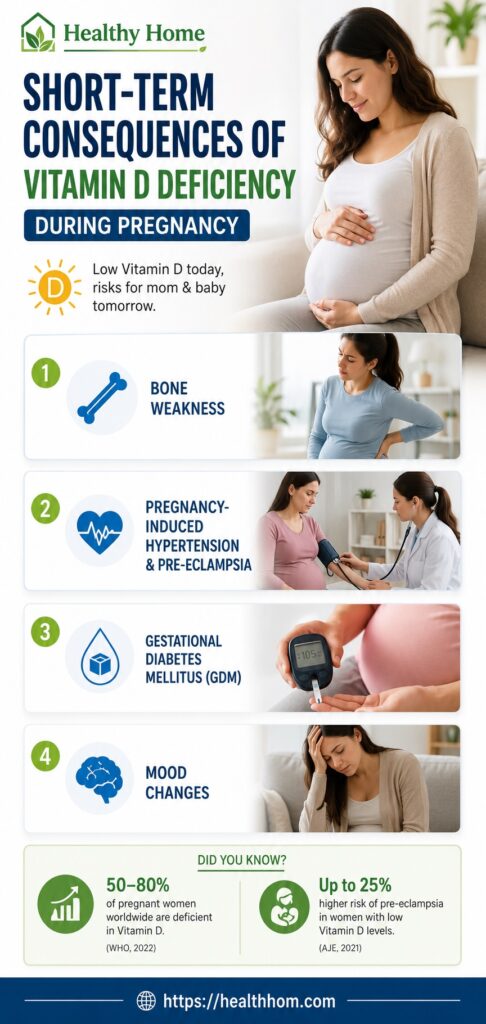
1. Bone Weakness
Severe vitamin D deficiency may lead to osteomalacia, a disorder which leads to soft or weak bones, which predisposes the person to bone pain and fractures.
2. Pregnancy-Induced Hypertension and Pre-eclampsia
Research indicates that insufficient Vitamin D may be linked to a risk of high blood pressure and pre-eclampsia, a severe pregnancy disorder that can only be addressed by health practitioners.
Many studies have reported that there is a relation between low vitamin D level with increased risk of hypertensive disorders during pregnancy. Also the researchers are still investing for its strongest relationship.
3. Gestational Diabetes Mellitus (GDM)
The lacking of vitamin D may be associated with poor glucose metabolism, which may cause gestational diabetes.
4. Mood Changes
Vitamin D plays a role in mood regulation. Deficiency can be a contribution to the prenatal or postpartum depression, fatigue and low energy levels.
Vitamin D Deficiency and Fetal and Newborn Health
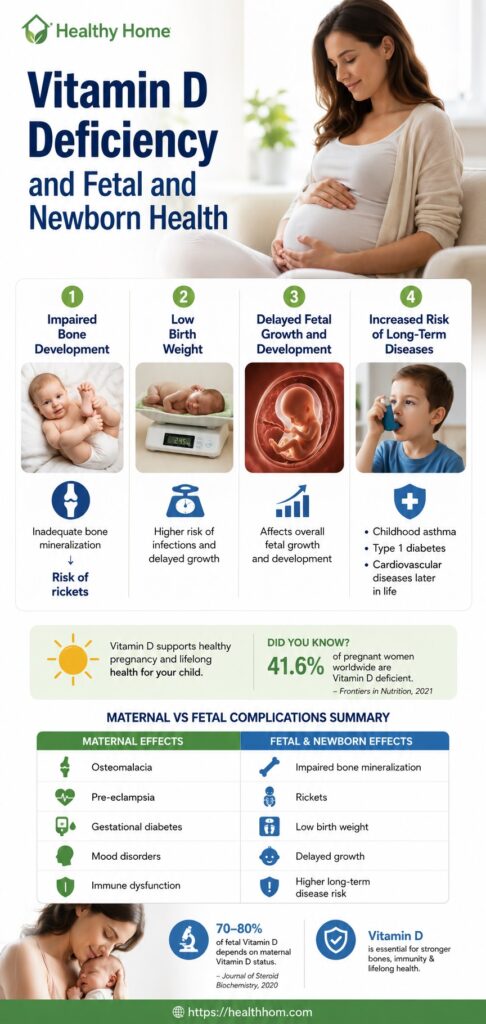
1. Impaired Bone Development
Vitamin D is necessary in skeletal development of the fetus. Deficiency can lead to inadequate mineralization of the bones and in worst scenario, predispose the baby to rickets.
2. Low Birth Weight
Poor Vitamin D consumption in pregnancy can cause low birth weight thus exposing the child to infections and delayed growth.
Nutrients like iron and Vitamin B12 also significantly influence fetal growth and birth outcomes.
3. Delayed Fetal Growth and Development
The lacking of vitamin D may influence the process of the development of the fetus and its general condition.
4. Increased Risk of Long-Term Diseases
Lack of Vitamin D exposure in the fetus during pregnancy may be associated with higher risk of childhood health outcomes like:
- Childhood asthma
- Type 1 diabetes
- Cardiovascular diseases later in life.
Maternal vs Fetal Complications Summary Table
| Maternal Effects | Fetal & Newborn Effects |
|---|---|
| Osteomalacia | Impaired bone mineralization |
| Pre-eclampsia | Rickets |
| Gestational diabetes | Low birth weight |
| Mood disorders | Delayed growth |
| Immune dysfunction | Higher long-term disease risk |
Practical Vitamin D Tips for Each Trimester:
First Trimester
- Discuss the nutritional status during first antenatal visit of any pregnant women
- Follow the prenatal supplement recommendations by the medical caregiver
- Build a healthy eating habits early supported by family members
Second Trimester
- Focus on outdoor physical activity if possible but limited only
- Include the Vitamin D-rich foods regularly from available natural sources
Third Trimester
- Continue the monitoring of nutritional evaluation
- Follow the healthcare professional advice regarding supplements if needed
- Prepare for newborn nutritional needs as suggested by medical practitioner.
When Healthcare Providers May Recommend Vitamin D Testing:
A healthcare professional may suggest for Vitamin D testing if:
- Previous Vitamin D deficiency
- Recurrent pregnancy complications
- Obesity
- Limited sunlight exposure
- Persistent unexplained fatigue
- Bone pain
- Multiple nutritional deficiencies
- Medical conditions affecting nutrient absorption
Prevention and Treatment of Vitamin D Deficiency
1. Sunlight Exposure:
The natural source of Vitamin D is sunlight; Spending 15–30 minutes outdoors several times a week, depending on skin type and climate, may help to maintain healthy Vitamin D levels.
2. Dietary Sources:
The sources of vitamin D include:
- Fortified milk and cereals
- Salmon and sardines that contain fat.
- Egg yolks
For a complete pregnancy nutrition plan, including iron, protein, and essential micronutrients, refer to our detailed guide on Healthy Pregnancy Diet & Nutrition.
3. Supplementation:
Vitamin D supplements may be prescribed by healthcare professionals when dietary intake and sun exposure are insufficient. Supplementation should always be done under medical supervision.
4. Regular Monitoring:
Consistent prenatal tests and check-ups can diagnose the deficiency of Vitamin D early on and hence manage it well in time.
Practical Tips That Fit Into Daily Life:
- You may sit on a balcony or near an open terrace during morning household activities for few minutes
- Take fortified milk with breakfast.
- Include eggs or fortified foods several times a week if permitted by your family and fit for your diet.
- Please keep prenatal supplements near your toothbrush stand so as to remind it.
- Vitamin D testing is required if you are spending most of your day inside roof.
Natural vs Supplemental Vitamin D
| Source | Advantages | Limitations |
|---|---|---|
| Sunlight | Free, natural | Depends on climate & skin type |
| Diet | Safe & sustainable | Limited food sources |
| Supplements | Controlled dosage | Requires medical guidance |
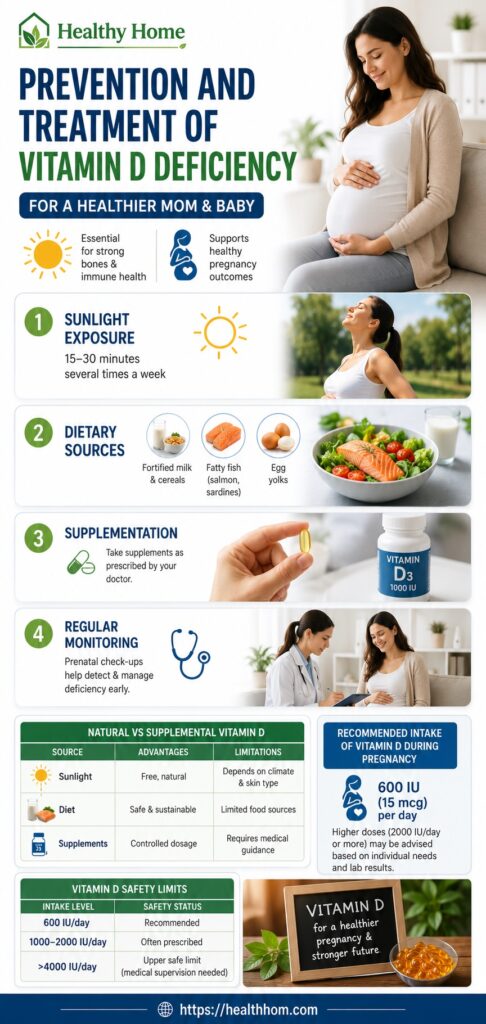
Recommended Intake of Vitamin D During Pregnancy
The health authorities suggest that the level of Vitamin D intake by pregnant women should be 600 IU (15 mcg) per day. In other instances, medical practitioners can recommend larger doses (2000 IU per day and above) depending on the needs and lab findings.
Vitamin D Safety Limits
| Intake Level | Safety Status |
|---|---|
| 600 IU/day | Recommended |
| 1000–2000 IU/day | Often prescribed |
| >4000 IU/day | Upper safe limit (medical supervision needed) |
When Should You Speak With Your Doctor?
If you are feeling the following, please consult your medical caregiver:
- Persistent fatigue
- Significant muscle weakness
- Bone pain
- Recurrent falls
- Previous Vitamin D deficiency
- Limited sunlight exposure
- History of pregnancy complications
A health-service provider can determine that whether testing or supplementation is required.
Simple Habits That May Help Support Healthy Vitamin D Levels
Beyond supplements, families can also:
During Morning Tea –
- Sit in a balcony, courtyard or terrace for a short period when sunlight is comfortable.
- Combine Sunlight With Walking
- A short daily walk can support physical activity and sunlight exposure simultaneously.
- Review Food Labels
- Many milk products, cereals and plant-based beverages now contain added Vitamin D.
- Involve Family Members
- Family support often improves consistency with healthy eating habits and antenatal care.
- Track Supplements
Using a daily checklist or phone reminder can reduce missed doses.
Concluding Points:
Many Indian families and institutions discusses about the iron, calcium but not equally giving importance of awareness for vitamin D deficiency which actually impact both mother and baby during pregnancy period. As no such symptoms develops due to lacking vitamin D, many pregnant women can’t able to realize till any routine test or severe complications.
But, it can be prevented by generating awareness, balanced nutrition, sunlight exposure and proper medical guidance.
As per the study conducted by WHO, adequate Vitamin D levels during pregnancy may help to reduce the risk of pre-eclampsia, low birth weight, weak bone development and maternal fatigue.
Looking for more pregnancy nutrition guides?
Explore our expert-reviewed articles on iron, folic acid, Vitamin B12, and healthy pregnancy diets to support both mother and baby health.
FAQs:
Q1. What is the significance of Vitamin D for pregnant women?
Vitamin D helps in absorption of calcium, which helps in the development of the baby to get strong bones and teeth. It also helps the body in improving the immune system and decreasing pregnancy complications like pre-eclampsia.
Q2. What are the dangers of a pregnant woman when she does not get Vitamin D?
Low Vitamin D can lead to the possibility of gestational diabetes, high blood pressure, low birth weight, poor bone growth in the fetus and preterm birth.
Q3. What step to be followed to help pregnant women for increasing the levels of Vitamin D?
Healthy levels of Vitamin D can be maintained with proper exposure to sunshine, eating of fortified foodstuffs and fatty fish and compliance with the prescribed supplements by a medical practitioner.
Q4. What are the typical symptoms of vitamin D deficiency in pregnancy?
These include bone aches, weakness of the muscle, tiredness, low mood, and frequent infections. There are also some women that might not experience any symptoms and it is important to test them regularly.
Q5. What is the recommended daily intake of Vitamin D by a pregnant woman?
The suggested dose is 600 IU daily, but up to the medical examination, more specific doses can be prescribed.
Q6. Is there a possibility that Vitamin D deficiency will occur in the newborn after the birth?
Yes. Infants born to women who lack Vitamin D are likely to be at a risk of developing rickets, retarded growth, and poor immunity.
Q7. Does high intake of Vitamin D cause any harm to pregnant women?
Yes. Too much Vitamin D may result in calcium imbalance and complications of the kidneys. It is only under medical advice that one should take supplements.
Related Health Articles from Healthy Home :
- [Iodized salt during pregnancy]
https://healthhom.com/iodized-salt-pregnancy/ - [Vitamin B12 deficiency and pregnancy health]
https://healthhom.com/vitamin-b12-deficiency/ - [Folic acid benefits during pregnancy]
https://healthhom.com/folic-acid-pregnancy/ - [Women’s wellness and preventive health guide]
https://healthhom.com/womens-wellness-guide/ - [Iron supplementation during pregnancy]
https://healthhom.com/iron-supplementation-pregnancy/
Trusted References and Research Sources:
This article prepared with:5 Benefits of Reducing Salt and Sugar : Health Effects and Practical Tips
- WHO maternal nutrition guidance
- Peer-reviewed research studies
- Public health program observations
- Maternal nutrition counseling experiences
- Evidence-based pregnancy care recommendations
- [WHO guideline on Vitamin D supplementation during pregnancy]
https://www.who.int/tools/elena/interventions/vitamind-supp-pregnancy - [Scientific review on Vitamin D deficiency and pregnancy outcomes (NCBI)]
https://pmc.ncbi.nlm.nih.gov/articles/PMC7905986/ - [WHO recommendations for Vitamin D supplementation in pregnancy]
https://www.who.int/tools/elena/interventions/vitamind-supp-pregnancy - [PubMed study on maternal Vitamin D levels and pregnancy risks]
https://pubmed.ncbi.nlm.nih.gov/33988109/ - [Research article on Vitamin D status in pregnancy and fetal development]
https://pmc.ncbi.nlm.nih.gov/articles/PMC10496605/ - [WHO maternal nutrition publication on Vitamin D and pregnancy]
https://www.who.int/publications/i/item/9789240008120


About the Author – “Bibhu Ranjan Mund”, Master in Public Health (MPH) from IIHMR University, Jaipur (Rajasthan) has more than 18 years of experience in Public Health activities in maternal health, child health, adolescent health, nutrition and community wellness programs under National Health Mission, Health & Family Welfare Department, Odisha. He is the founder of “Healthy Home” and translates the evidence based public health information into a practical source so that families may able to apply in everyday life. All the information are for educational purposes only and not replaces the professional medical advice. ORCID Researcher ID – 0009-0003-0158-4992. Connect LinkedIn – https://www.linkedin.com/in/bibhu-ranjan-mund-b72171358/