Last Updated on June 30, 2026 by Bibhu Ranjan Mund, MPH
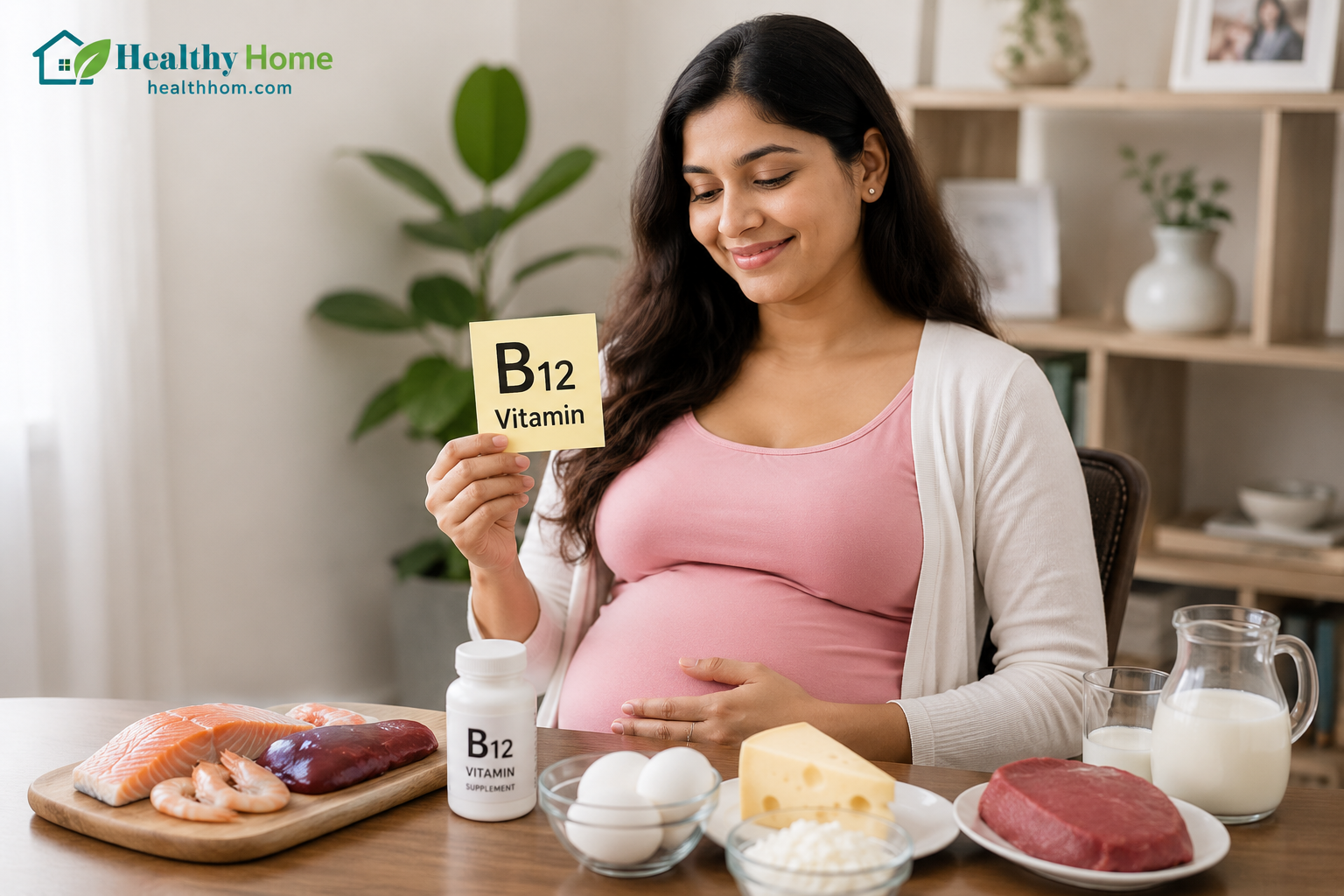
Vitamin-B12 deficiency during pregnancy may increase the risk of anemia, fatigue, neural tube defects, and poor fetal development. Learn symptoms, causes, prevention tips, B12-rich foods and safe supplementation in this evidence based guide.
Reviewed by Bibhu Ranjan Mund, MPH (Public Health Expert) with experience in maternal, infant, child, and adolescent health programs. Content is based on evidence-informed guidelines aligned with organizations such as the World Health Organization, UNICEF, Centers for Disease Control and Prevention, and National Institutes of Health.
Medical Disclaimer: This content is for informational and educational purposes only and is not intended as medical advice, diagnosis, or treatment. Always seek the advice of a qualified healthcare professional regarding any medical condition or concerns.
Introduction:
As per the study published by the National Institutes of Health (NIH, 2024), it shows that the Vitamin-B12 deficiency may affect 10-40% of pregnant women specially among the vegetarian and women with poor dietary intake.
So, Vitamin-B12 is one of the most important nutrient required during pregnancy period for the healthy development of the baby’s brain, nerves and blood cells.
Low vitamin B12 levels may initially cause symptoms such as fatigue, weakness, dizziness or difficulty concentrating. If this will be untreated, it may increase the risk of anemia, preterm birth, developmental delays and neural tube defects in in babies.
The important point is that most of these cases are preventable by early screening, balanced nutrition, fortified foods and timely supplementation. In this article, you will find-out the major warning signs, its risk, best food sources and different prevention strategies to protect both the mother and baby during pregnancy
Along with Vitamin B12, iron is another critical nutrient during pregnancy, explore our guide on Top 11 Iron Rich Foods During Pregnancy (Prevent Anemia Naturally) to support healthy hemoglobin levels.
Quick Takeaways:
- Vitamin B12 supports fetal brain and nerve development
- Vegetarian mothers may have higher deficiency risk
- Early testing helps detect hidden deficiency
- Food with supplementation can prevent complications
If you follow a vegetarian or restricted diet, it is important to plan your meals carefully, What is a Balanced Daily Meal Plan? Complete Guide + 7-Day Diet Plan to ensure complete nutrition.
Why Early Detection Matters?
For most of the Indian parents, pregnancy is filled with excitement, proper planning supported by neighbors & health care providers and pray for a healthy baby.
Pregnant mother carefully attend all the required antenatal visit (In India compulsory 04 visits to a health care institution), taking of required supplements with nutritious foods.
But, the challenging part is that the vitamin B12 deficiency develops quietly. Gradually a mother may feel tiredness and assume that it is due to pregnancy related condition.
If the Pregnant mother will visit regular health check-up & perform all diagnosis, can be able to know the nutritional deficiency early so that the family can take preventive step for both maternal wellbeing and healthy fetal development. In India ICDS personnel (which is a Govt. platform) are working for the said noble cause.
A Story That Reflects Many Indian Families:
A pregnant women from a rural area of Odisha had attended all the four routine antenatal visits and regularly taken iron & calcium supplements supported by Health Care providers. But, after few days she complained about the much tiredness, lack of energy level, difficulty in concentrating.
Her family members thought that all these symptoms are normal during the pregnancy period.
But, during a follow-up visit, healthcare providers suggested to conduct the diagnosis of lab investigations for vitamin B12. Surprisingly, she had deficient of vitamin B12 and taken the appropriate supplementation. Under the medical guidance, her symptoms gradually improved.
So, such situation may persists in many cases and the nutritional deficiencies shouldn’t always be overlooked as a normal pregnancy weakness.
Global Vitamin-B12 Deficiency in Pregnancy
| Indicator | Estimated Data |
|---|---|
| Global B12 deficiency (general population) | 6–20% |
| B12 deficiency in pregnancy (varies by region) | 10–40% |
| Higher prevalence in vegetarians | Up to 50–70% |
| Recommended intake (pregnancy) | 2.6 mcg/day |
| Recommended intake (lactation) | 2.8 mcg/day |
What These Numbers Mean for Expecting Mothers?
The global figures shown above may vary across countries due to their dietary habits, socio-economic conditions and access to proper healthcare.
For the pregnant mother, this percentage is not so important, but to understand that vitamin B12 deficiency is not rare.
So, many women feel healthy and not realize the low level of vitamin B12, unless the laboratory test confirms or the symptoms appears.
This figure actually has the importance who doesn’t eat animal source food or has any digestive issues which affect the absorption of nutrients.
What is Vitamin-B12 deficiency?
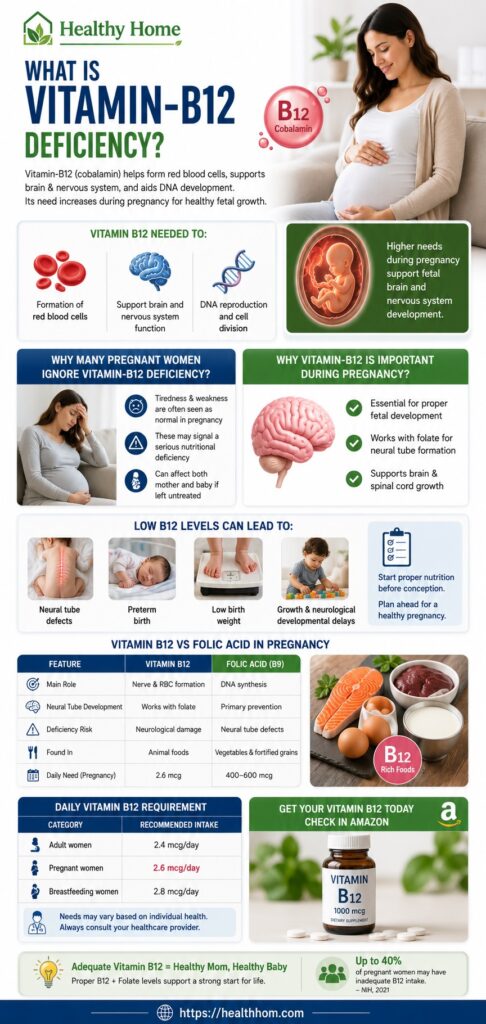
Being water-soluble, vitamin-B12 (cobalamin) aids the formation of red blood cells, supports the brain and nervous system and participates in developing DNA. Vitamin-B12 requirement increases significantly during pregnancy as it contributes to the fetus growth.
Cobalamin or vitamin B12 needed to:
- Formation of red blood cells
- Correct nervous system and brain functioning.
- DNA reproduction and cell division.
The vitamin B12 needs are higher during pregnancy as the vitamin helps the brain of the fetus to develop and the nervous system to grow.
Understanding your overall health indicators can help detect nutritional imbalances early, learn more in How to Know Your Cholesterol Level, BMI & BMR.
Why Many Pregnant Women Ignore Vitamin-B12 Deficiency?
Many mothers assume tiredness and weakness which are normal during pregnancy. But sometimes, these symptoms may signal an important nutritional deficiency that can affect both mother and baby if left untreated.
What I Have Observed in Community Maternal Health Programs?
I have worked in maternal and child health programs and during this period I have observed that, many Indian pregnant women focus on Iron and Calcium supplements, but forgot to receive Vitamin B12.
In the Eastern region of India like Odisha, where many families rely on vegetarian diets due to some culture, religious and even economic reasons, symptoms such as tiredness, weakness, dizziness, poor appetite may be normal during the pregnancy.
After the nutritional assessments, it results that some of these mother may also have low vitamin B12 levels.
So, the important challenge is that vitamin B12 can’t be confirmed without any laboratory test and may develop gradually without any notice.
Therefore, awareness and proper nutritional counselling is highly required during the pregnancy period.
Why vitamin-B12 is important during pregnancy?
Vitamin B12 is essential in the proper development of the fetus. It closely interacts with folate to help in the development of the neural tube that is later developed into the brain and the spinal cord of the baby.
If the level is low it leads to :
- Neural tube defects
- Preterm birth
- Low birth weight
- Growth and neurological developmental delays
Proper nutrient intake should ideally begin before conception, see Pre Pregnancy Planning for Female: First Step to Be Mother for complete preparation guidance.
Vitamin B12 vs Folic Acid in Pregnancy – Comparison table
| Feature | Vitamin B12 | Folic Acid (B9) |
|---|---|---|
| Main Role | Nerve & RBC formation | DNA synthesis |
| Neural Tube Development | Works with folate | Primary prevention |
| Deficiency Risk | Neurological damage | Neural tube defects |
| Found In | Animal foods | Vegetables & fortified grains |
| Daily Need (Pregnancy) | 2.6 mcg | 400–600 mcg |
Daily Vitamin B12 Requirement
| Category | Recommended Intake |
|---|---|
| Adult women | 2.4 mcg/day |
| Pregnant women | 2.6 mcg/day |
| Breastfeeding women | 2.8 mcg/day |
Such needs might differ according to personal health issues, so it is advisable to consult a physician.
What Causes Vitamin-B12 Deficiency During Pregnancy?
The deficiency of vitamin B12 during pregnancy may be as a result of:
- Strict vegetarianism or veganism.
- Poor dietary intake
- Absorption disorders-digestive disorders.
- Pernicious anemia
- Past history of gastric or intestinal surgery
Since the body is not able to synthesize the Vitamin B12, it should be consumed in the diet or in the form of supplements.
A well-structured diet can help prevent such deficiencies, follow our Balanced Daily Meal Plan Guide to meet all essential nutrient needs.
High-Risk Groups for B12 Deficiency
| Risk Group | Reason |
|---|---|
| Vegetarians | No natural B12 intake |
| Vegans | Complete absence of animal foods |
| Pernicious anemia | Poor intrinsic factor production |
| GI surgery history | Reduced absorption |
| Malabsorption disorders | Impaired uptake |
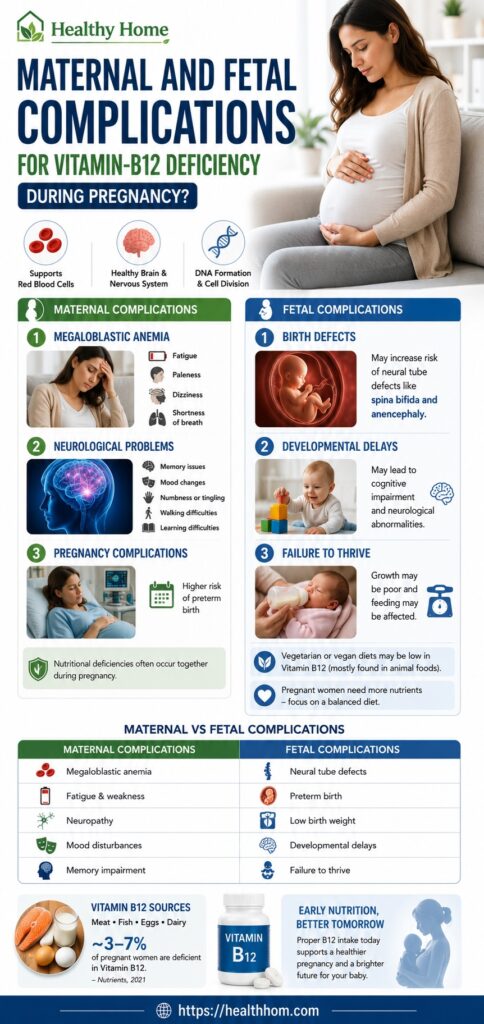
Maternal Complications:
Vitamin B12 deficiency can affect the health of the mother directly, also the researchers have pointed out the various risks for the developing baby if the maternal vitamin B12 level remains low throughout the pregnancy period.
1. Megaloblastic Anemia
- The symptoms can be fatigue, weakness, paleness of the skin, dizziness and shortness of breath.
2. Neurological Problems
- Chronic lack may lead to memory, mood fluctuations, numbness or tingling of hands and feet, walking difficulties and learning difficulties.
3. Pregnancy Complications
- Vitamin B12 has been linked to a high risk of preterm births in pregnancy.
Nutritional deficiencies often occur together during pregnancy, learn more in Antenatal Iron Supplementation During Pregnancy: Why It’s Essential When Diet Lacks Iron.
Fetal Complications:
- In pregnant women, taking vitamin B12 before birth supports the correct closure of the neural tube in the fetus. It may increase the risk of birth defects like spina bifida and anencephaly.
- Developmental Delays: Insufficient Vitamin B12 during pregnancy may lead to developmental delays, cognitive impairment, and neurological abnormalities of the child.
- Failure to thrive can happen with newborns, a warning sign that their growth is weak and their feeding may be off.
- Eating a vegetarian or vegan diet may mean that women during pregnancy are not getting enough Vitamin-B12 as it mostly appears in animal foods.
- Pregnant women need greater quantities of nutrients and vitamins than they previously needed, therefore they need to monitor their diets.
- When pregnant, women must consume more vitamins and minerals than usual and this means they need to focus on their diet.
Early nutrition significantly impacts a child’s long-term development, read Precious Infancy to Toddler: A Baby’s First Two Years for deeper insights.
Maternal vs Fetal Complications Table
| Maternal Complications | Fetal Complications |
|---|---|
| Megaloblastic anemia | Neural tube defects |
| Fatigue & weakness | Preterm birth |
| Neuropathy | Low birth weight |
| Mood disturbances | Developmental delays |
| Memory impairment | Failure to thrive |
Why Healthcare Providers Pay Attention to Vitamin B12?
Many healthcare providers not focus on vitamin B12 due to anemia condition.
The actual work of Vitamin B12 is for neurological development, DNA formation and red blood cell production. During the pregnancy period, such processes are much important as the developing fetus depends upon maternal nutrition sources.
For such reason, Doctors prescribe to evaluate vitamin B12 along-with other key nutrients as suspected by them.
A Common Pregnancy Scenario in Odisha (Indian) Households:
Let us take an example of pregnant women living in the vegetarian family, who only consume rice, roti, vegetable and occasionally dairy products.
So, we can think that her diet is healthy and also balanced one. But, if she consumes limited quantity of milk products and not taking any fortified foods, she may start lacking of vitamin B12 gradually.
Initially she may feel:
- Persistent tiredness
- Difficulty concentrating
- Reduced energy levels
Due to the above symptoms are common during pregnancy, neither the mother nor her family may be able to recognize them as one of the warning signs of a nutritional deficiency.
So, the Govt. healthcare providers, mainly recommend the nutritional screening including prenatal supplementation basing upon the individual risk factors.
Best Vitamin-B12 Rich Foods for Pregnant Women
Vitamin B12-Rich Foods
| Food Source | Approx. B12 (mcg per serving) |
|---|---|
| Red Meat (100g) | 2.4–2.6 |
| Salmon | 2.8 |
| Egg (1 large) | 0.6 |
| Milk (1 cup) | 1.2 |
| Yogurt | 1.1 |
| Fortified cereals | 1–6 |
Plant foods do not naturally contain Vitamin B12 unless fortified.
Plant-based milk, nutritional yeast and breakfast cereals are fortified foods that can be used by vegetarians and vegans to get Vitamin B12.
Including a variety of nutrient-rich foods is key, explore our Balanced Daily Meal Plan Guide to build a complete daily diet.
Simple Ways Indian Families Can Improve Vitamin B12 Intake:
For non-vegetarian:
- Include eggs several times per week.
- Add fish when culturally acceptable.
- Use milk, curd, and paneer regularly.
For vegetarian:
- Choose fortified breakfast cereals.
- Use fortified plant-based milk products.
- Discuss prenatal supplementation with a healthcare provider.
For effective vitamin B12 in the body, one shouldn’t rely on a single food, but it should be combined with multiple sources throughout the week.
Dietary Modifications:
- All nutritionists should acknowledge the necessity of Vitamin B-12 and inform the patients where it is available like from meat, eggs, dairy products & fortified cereals etc.
- Vegetarians and vegans can try special forms of plant-based food, including soy milk, nutritional yeast and B12 supplements.
Supplementation:
The first step is to take the dietary intake of the vitamin B12 rich foods, but it can’t alone correct the deficiency. So, in such situations, supplementations may also recommended by the healthcare providers.
- If their health-care provider advises it, expectant women at risk of deficiency should add Vitamin B12 to their diet.
- Because the body needs extra B12 during pregnancy, many prenatal vitamins include it.
- Vitamin B12 is normally found in prenatal vitamins.
- Supplements may be necessary to women who are at risk of deficiency.
- The use of supplements should never be without a medical practitioner.
Similar to iron supplementation, Vitamin B12 supplements should be taken under medical guidance, learn more in Antenatal Iron Supplementation During Pregnancy.
When Supplements May Become Necessary?
If a pregnant women follows a strict vegetarian diet and confirms the vitamin B12 deficiency after laboratory test.
The PW may take the dietary supplements to fulfill the vitamin B12 level, but only food may be difficult to fully restore it.
Here, healthcare providers may recommend the oral supplements or may be injectable depending on severity and absorption status.
But the actual treatment varies from person to person.
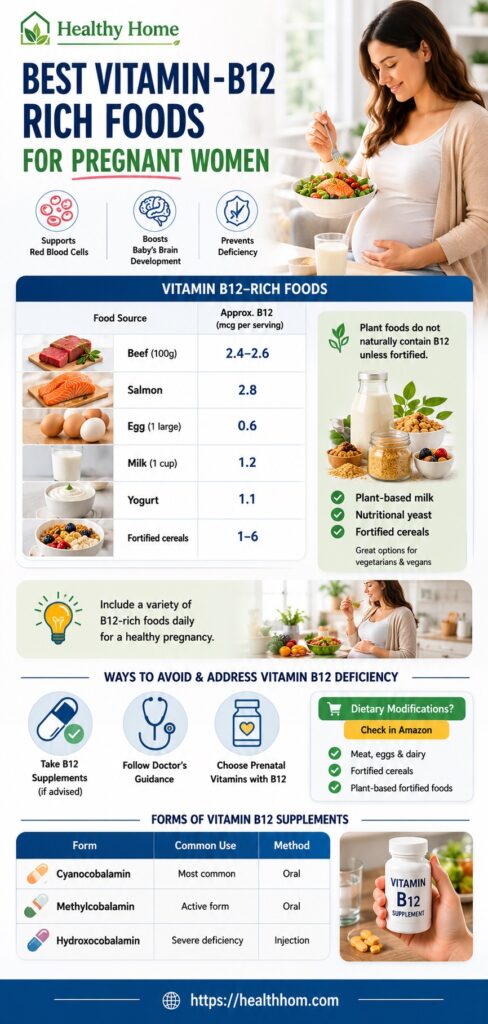
Forms of Vitamin B12 Supplements
| Form | Common Use | Method |
|---|---|---|
| Cyanocobalamin | Most common | Oral |
| Methylcobalamin | Active form | Oral |
| Hydroxocobalamin | Severe deficiency | Injection |
When Should You Suspect Vitamin-B12 Deficiency?
You may discuss for vitamin B12 testing with your healthcare provider if you:
- Follow a vegetarian diet
- Have a history of anemia
- Experience persistent fatigue despite taking iron supplements
- Have digestive disorders affecting nutrient absorption
- Previously underwent stomach or intestinal surgery
- Had vitamin B12 deficiency before pregnancy
These situations do not automatically mean the presence of deficiency, but it may be evaluated.
Regular Monitoring:
- At this time, testing pregnant women includes measuring vitamin B12 and other vitamins in their blood.
- As soon as the symptoms are spotted, both the mother and her baby get the treatment they need.
Regular tracking of health indicators helps in early detection, refer to BMI, BMR & Cholesterol Guide for complete monitoring tips.
Laboratory Reference Values
| Test | Normal Range |
|---|---|
| Serum B12 | 200–900 pg/mL |
| Borderline | 200–300 pg/mL |
| Deficient | <200 pg/mL |
| Elevated Homocysteine | May indicate deficiency |

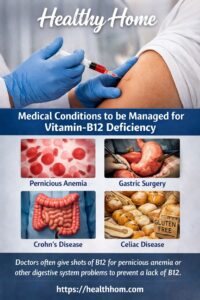
Medical Conditions which are to be managed:
- Doctors often give shots of B12 for pernicious anemia or other digestive system problems to prevent a lack of B12.
- Pernicious anemia
- Digestive system disorders
- Malabsorption conditions
Small daily lifestyle changes can significantly improve long-term health, read 8 Best Ways to Improve Lifespan & Healthspan Naturally.
Prevention & Management Summary
| Strategy | Purpose |
|---|---|
| Balanced diet | Primary prevention |
| Fortified foods | Vegetarian support |
| Prenatal vitamins | Meet daily need |
| Lab screening | Early detection |
| Injections (if needed) | Severe deficiency |
My Perspective as a Public Health Professional:
In my point of view, the foods containing Vitamin B12 should be more focused during pregnancy period and healthcare providers including elder family members should help.
Most of the mothers are aware about the use of iron, calcium, folic acid supplementation, Injection DT during pregnancy, but still vitamin B12 are overlooked by them and not informed about the role in fetal neurological development.
Awareness among the families, mothers, healthcare providers, Community Health Workers like ASHA (Health & FW Deptt.) and Anganwadi Workers (ICDS) may lead to the early identification of such deficiency and solution to improve the pregnancy outcomes.
Quick Vitamin B12 Pregnancy Checklist-
- Attend all antenatal checkups
- Take prenatal supplements as advised
- Consume vitamin B12-rich foods regularly
- Consider fortified foods if vegetarian
- Discuss testing if symptoms persist
- Follow medical advice regarding supplementation
- Monitor nutritional status throughout pregnancy
Final Thoughts:
Vitamin-B12 deficiency during pregnancy is more common specially among vegetarians, vegans and mothers with poor nutrient absorption. The symptoms may be mild in the beginning, but if it is overlooked and untreated, it can affect bother maternal health and fetal brain development.
If it can be detected early and provided with a balanced diet, fortified foods with medical guidance can reduce the risk. So, it is very much important for regular antenatal health check-ups and nutritional monitoring may help to a healthier and safer pregnancy & for newborn.
Concerned about nutritional deficiencies during pregnancy? Share this guide with other expecting mothers to help spread awareness about early prevention and healthy fetal development.
FAQs:
Does pregnancy have a high prevalence of vitamin B12 deficiency?
Deficiency of vitamin B12 can be seen during pregnancy and particularly in women who either are vegetarian or vegan or who have issues with absorption. The challenge in meeting B12 deficiency may also be due to increased nutritional requirements during pregnancy which may not be met.
What is the significance of vitamin B12 to the expectant women?
Vitamin B12 is needed in red blood cell formation, in the synthesis of DNA and in the development of the baby brain and nervous system. An optimal consumption of B12 in the course of pregnancy helps to maintain the level of maternal energy and prevents the development of anemia and nervous disorders.
What symptoms do you get when you are deficient in vitamin B12 during pregnancy?
The typical symptoms are fatigue, weakness, pale skin, dizziness, dyspnea, moodiness, memory impairment, and a tingling or numbness of the hands and feet. The symptoms can be progressive and those are to be examined by healthcare provider.
Is it possible that low levels of vitamin B12 during pregnancy are harmful to the baby?
Pregnant women with low levels of vitamin B12 have a risk factor of low birth weight, developmental delays and neural tube defects. Achieving an early diagnosis and appropriate treatment is a significant measure to minimize the possible harm to the growth of the baby and its neurological progress.
What is the recommended daily intake of vitamin B12 by a pregnant woman?
Women who are pregnant are typically advised to take 2.6 micrograms (mcg) of vitamin B 12 daily. The needs of individuals can be different and the consumption has to be modified according to the medical recommendation and nutritional condition.
What are the best foods that contain vitamin B12 during pregnancy?
Good sources of vitamin B12 are meat, fish, eggs, milk, yogurt, cheese and fortified cereals. Women who are on vegetarian or vegan diets need to use fortified foods or supplements once the pregnancy occurs but only after seeking the advice of a healthcare professional.
Are vitamin B12 supplements necessary to pregnant women?
Separate vitamin B 12 supplements are not required by all pregnant women. A lot of prenatal vitamins are appropriate to B12. Supplements are generally prescribed to women who have dietary limitations, absorption problems, or deficiency conditions which are confirmed by a doctor.
Related Health Articles from Healthy Home:
- Women’s Hormone Balance Diet – Restore Hormonal Health Naturally with Nutrient-Rich Foods
- Preventive Health Care – Essential Steps to Stay Healthy and Prevent Lifestyle Diseases
- Eco-Friendly Eating and Nutrition – How Sustainable Food Choices Support Better Health
- How to Minimize the Risk of Worm Infestation – Simple Hygiene and Nutrition Tips
- Pre-Pregnancy Planning for Women – Nutrition, Health, and Lifestyle Tips for a Healthy Start
Trusted References and Research Sources:
- UNICEF Report: Anemia and Its Risk Factors in Women and Children (PDF)
- WHO Maternal Nutrition & Micronutrient Deficiency Report (PDF)
- Maternal Vitamin B12 Status During Pregnancy and Birth Outcomes – Peer-Reviewed Research (PMC)
- Dietary Reference Intakes for Vitamin B12 and Other B-Complex Vitamins – NCBI Bookshelf
- Vitamin B12 Reference Intervals – Clinical Insights from PubMed Research
- Vitamin B12 Deficiency – Causes, Symptoms, and Management (StatPearls, NCBI)
- Vitamin B12 Reference Intervals on Beckman, Roche, and Siemens Analytical Platforms – PubMed
- Top Foods You Should Eat if You Have a Vitamin B12 Deficiency – Healthline
- Vitamin B12 Foods – 12 Excellent Dietary Sources for Energy and Health
- Vitamin B12 Dosage Guide – How Much Should You Take Per Day?


About the Author – “Bibhu Ranjan Mund”, Master in Public Health (MPH) from IIHMR University, Jaipur (Rajasthan) has more than 18 years of experience in Public Health activities in maternal health, child health, adolescent health, nutrition and community wellness programs under National Health Mission, Health & Family Welfare Department, Odisha. He is the founder of “Healthy Home” and translates the evidence based public health information into a practical source so that families may able to apply in everyday life. All the information are for educational purposes only and not replaces the professional medical advice. ORCID Researcher ID – 0009-0003-0158-4992. Connect LinkedIn – https://www.linkedin.com/in/bibhu-ranjan-mund-b72171358/