Last Updated on June 13, 2026 by Bibhu Ranjan Mund, MPH
Discover what happens during a newborn’s first day of birth, including sleep patterns, feeding, crying, bonding, and essential baby care tips.
Reviewed by Bibhu Ranjan Mund, MPH (Public Health Expert) with experience in maternal, infant, child, and adolescent health programs. Content is based on evidence-informed guidelines aligned with organizations such as the World Health Organization, UNICEF, Centers for Disease Control and Prevention, and National Institutes of Health.
Medical Disclaimer: This content is for informational and educational purposes only and is not intended as medical advice, diagnosis, or treatment. Always seek the advice of a qualified healthcare professional regarding any medical condition or concerns.
Introduction: The First Day of Birth
As per the research published by World Health Organization (WHO, 2023), it shows that about 25-30% of newborn related complications arises within the first day of birth of a baby and thus early care, feeding, warmth and emotional bonding is highly essential. Just simple practice of skin-to-skin care like Kangaroo Mother Care (KMC) and early breastfeeding can improve the newborn well-being and confidence of parents. KMC can be done by both Mother and Father.
The first 24 hours of birth is an emotional moment for every parent. If they couple are new for the baby, they actually worry about newborn’s sleep pattern, crying, feeding, body moments which is a normal thing.
It is important to understand what is the normal for the bay on first day of birth, the parents can enjoy these unforgettable moments with confidence.
The newborn stage marks the beginning of rapid growth and development, discover about long-term milestones in our guide on Early Childhood Development: Growth, Learning, and Milestones.
For many parents, caring for a newborn can feel both exciting and overwhelming.
What Does the First Day of a Newborn Baby Reveal?
All babies are different but such patterns are said to be normal and healthy.
Quick Summary: What Happens on a Baby’s First Day?
- Newborns usually sleep 14–17 hours
- Babies wake briefly for feeding
- Crying is their main communication method
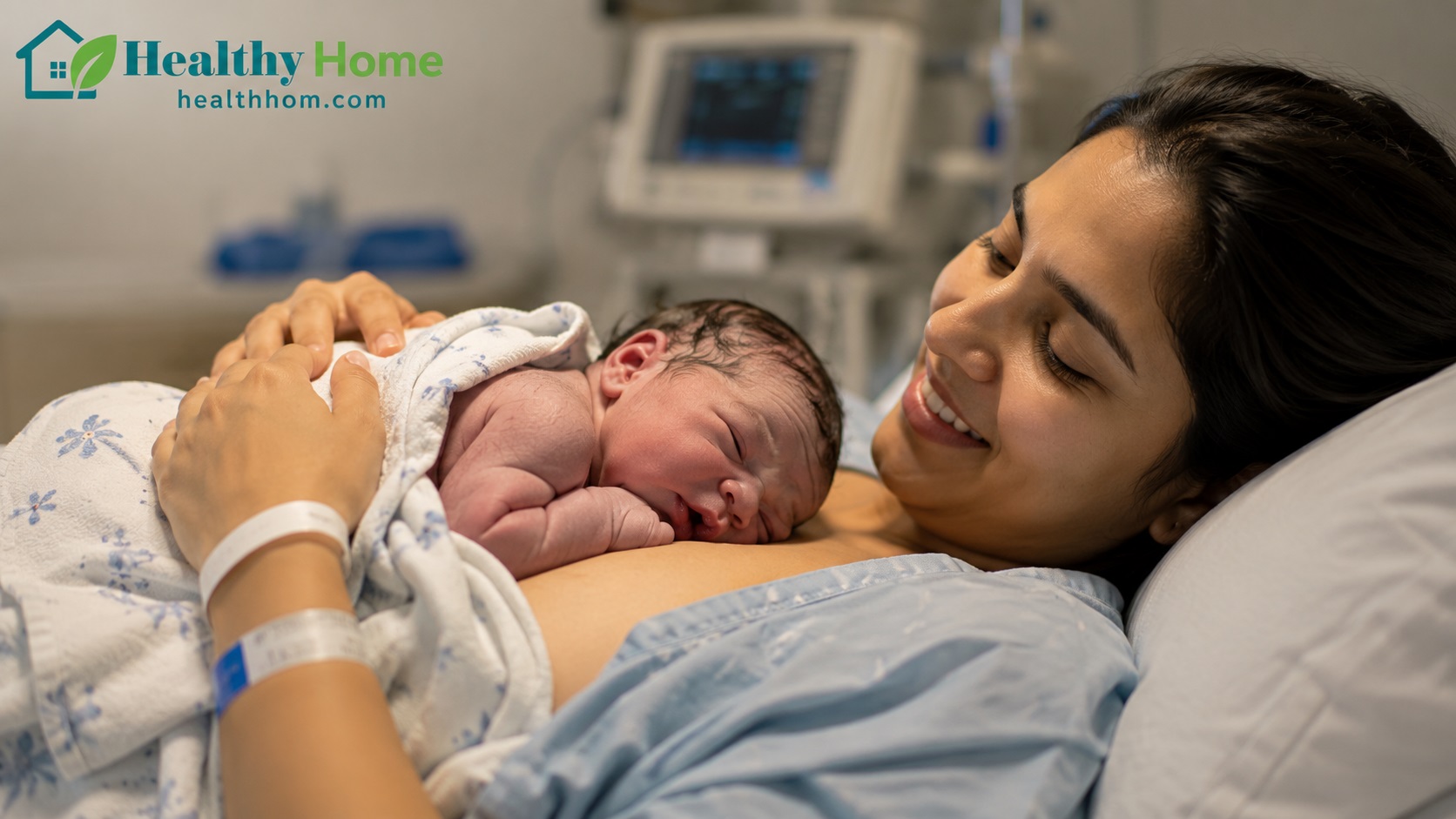
- Skin-to-skin contact supports bonding
- Early breastfeeding helps immunity and development
- Irregular breathing for short periods can be normal
- Your baby may not remember the first day of life, but their brain and body are already learning from every touch, sound, and cuddle.
- The first cry, first feeding, and first eye contact are more than emotional moments, they help shape early development.
- Many parents worry when newborns sleep too much on day one, but this is often part of a healthy transition.
Normal Newborn Patterns in First 24 Hours
| Area | What Is Commonly Observed | Why It Happens (General Explanation) |
|---|---|---|
| Sleep | 14–17 hours (with short waking periods) | Adjustment from womb to outside environment |
| Feeding | Small, frequent feeds | Stomach size is very small on Day 1 |
| Crying | Short periods of crying | Main communication method |
| Breathing | May appear irregular briefly | Immature breathing rhythm adjusting |
| Movement | Jerky or reflex movements | Normal newborn reflex activity |
Source: WHO Postnatal Care Guidelines; UNICEF Newborn Care Data (2023)
Understanding newborn behavior is the first step in tracking healthy growth, explore detailed stages in From Infancy to Toddlerhood: Key Developmental Stages.

Day one Newborn Emotional and Behavioral States
A newborn’s behavioral states reflect their physical and emotional needs. Watching the facial expressions, body language and alertness will enable the parents learn more about their baby.

1. Drowsy State
- Gentle movements may be seen
- Eyes can be opened and closed slowly.
- Most appropriate option: leave the baby to sleep.
- Limit light exposure and high noise.

2. Active Sleep
- In the state of active sleeping, the baby can: Move arms and legs slightly
- Twitch facial muscles
- Breathing may be irregular for short periods.
It is a normal sleeping stage and it does not need any intervention unless recommended by a medical practitioner.

3. Deep Sleep
- In deep sleep, the baby breathes deeply and regularly
- Remains mostly still
- Is harder to wake
The stage facilitates physical healing and brain maturation.

4. Quiet Alert State
- This is the best opportunity to bond.
- Baby is calm and observant
- Makes brief eye contact
- Responds to voices and touch
Parents are capable of talking, singing or holding their baby at this stage.

5. Active Alert State
- Increased movement
- May show mild fussiness
- Signifies that he or she is ready to interact or feed

6. Crying
The major mode of communication of a newborn is crying. It may signal:
- Hunger
- Discomfort
- Need for comfort
Proper feeding from the first day is essential for growth, check our expert guide on Supplementary Feeding Guidelines for Infants.
Acting quickly by holding, feeding or soothing contributes to the development of trust and security.

These early behavioral patterns are linked to brain development, know more about how the brain grows in Why a Human Child Is So Unique and What Makes Us Human.
Newborn Behavioral States – Quick Comparison
| State | Baby’s Eyes | Movement | Best Parental Response |
|---|---|---|---|
| Drowsy | Opening & closing slowly | Mild stretching | Allow rest |
| Active Sleep | Closed | Twitching, irregular breathing | Observe, no interruption |
| Deep Sleep | Closed | Still, regular breathing | Let baby sleep |
| Quiet Alert | Open, calm | Minimal movement | Ideal time to bond |
| Active Alert | Open | Increased movement | Prepare for feeding/interaction |
| Crying | Closed or open | Active body movement | Check feeding/comfort |
Source: Harvard Center on the Developing Child; WHO Essential Newborn Care
Good nutrition and early care practices support long-term health, learn about the importance of maternal nutrition in Food Supplementation and Its Importance.
What surprised most parents on the first day?
- Babies sleep more than expected
- Crying may be minimal initially
- Feeding sessions are short but frequent
- Skin-to-skin contact calms babies quickly
The First day Newborn Care: Essentials
i. Clothing for Newborns
- Use 100% soft cotton clothing
- Buttons, tight elastics and rough seams should be avoided.
- Clothe the infant in a comfortable way neither too hot nor too cold.
First-Day Newborn Care Checklist
| Care Area | Simple Action |
|---|---|
| Temperature | Keep baby warm, avoid overheating |
| Feeding | Offer breast within first hour if possible |
| Hygiene | Clean hands before handling |
| Diaper Care | Change frequently |
| Bonding | Practice skin-to-skin contact |
| Rest | Mother should rest as much as possible |
Source: WHO Postnatal Care Guidelines
ii. Safe Sleep Guidance
Newborns should receive recommendations in health organizations, suggesting that they should:
- Sleep on a firm, flat surface
- Be placed on their back
- Do not use pillows, fluffy bedding or loose items.
The practices aid in minimizing the risk of sleep-related complications.
Healthy sleep patterns in newborns evolve with growth, understand how development progresses in Early Childhood Development Guide.
Safe Sleep – Recommended vs Avoided Practices
| Recommended Practice | Avoided Practice |
|---|---|
| Place baby on back to sleep | Sleeping on stomach or side |
| Firm, flat sleep surface | Soft mattresses or couches |
| Room-sharing without bed-sharing | Sleeping on adult bed |
| Light clothing | Heavy blankets or pillows |
Source: WHO Essential Newborn Care; UNICEF Safe Sleep Recommendations
iii. Baby Diaper Sew with Soft Cotton Fabric Only:
- Use soft, breathable fabrics
- Maintain the diaper region hygienic.
- Changing of diapers should be done regularly to avoid irritation.
Always wash hands prior to and subsequent to the diapers.
iv. Skin-to-Skin Postpartum Contact.
Immediate contact between the baby and the mother skin-to-skin contact is beneficial:
- Regulate body temperature
- Breathing and heart rate need to be stabilized.
- Promote emotional bonding
- Enhance early breast feeding
Early bonding plays a crucial role in emotional and brain development, explore more in Why Human Children Are Unique

Globally, early newborn care remains an important public health priority
Global Newborn Care Snapshot
| Indicator | Global Estimate | Source |
|---|---|---|
| Births per year worldwide | ~134 million | UNICEF Maternal & Newborn Data Portal |
| Newborn deaths (first 28 days) annually | ~2.3 million | WHO Newborn Health Factsheet (2023) |
| Deaths occurring in first 24 hours | Approx. 25–30% of neonatal deaths | WHO Newborn Health Factsheet (2023) |
| Early breastfeeding initiation (within 1 hour) | ~48% globally | UNICEF Maternal & Newborn Data Portal |
Early interventions can prevent long-term developmental issues, read more in Global Developmental Delay in Children.
Concluding Points:
A newborn’s first day of birth period is just about the rest, feeding, warmth and learning the baby’s small signals. On this day the most important is sleeping for long hours, brief crying, irregular breathing patterns and frequent feeding requirement are the normal.
As per the research from WHO and UNICEF, the show that early breastfeeding, skin-to-skin contact (KMC) can improve the baby’s survival and long-term development.
Parents may feel tired or emotional on that day, but it is completely natural. With proper knowledge, guidance patience and support of other, confidence to serve the newborn baby grows quickly.
- For many first-time parents, this tiny behavior can feel confusing at first.
- Seeing your baby sleep so much may feel surprising, but it is usually completely normal.
- These small early interactions help babies feel safe and secure.
Providing the right care from day one builds the foundation for lifelong health, learn more in our complete guide on Child Growth, Nutrition, and Development.
This article follows evidence-informed public health guidance and is reviewed periodically to align with recommendations from WHO, UNICEF, CDC, and peer-reviewed medical literature.
FAQs:
Q1. What happens as soon as a child born?
Immediately after birth, the newborn is gently dried and assessed for breathing. Whenever possible, the baby is placed skin-to-skin on the mother’s chest to support warmth, bonding, and early adaptation.
Q2. Why skin-to-skin contact is important for a newborn baby?
It helps to control temperature, emotional attachment and premature feeding.
Q3. At what age does the newborn receive the first examination?
After birth, doctors use the Apgar score to evaluate the condition of newborns in a few minutes and test them based on breathing, heart rate, muscle tone, reflexes and skin color.
Q4. Is infants breastfeeding advisable?
Yes. Health professionals recommend breastfeeding in the first hour of birth commonly referred to as the golden hour.
Q5. How do the parents normally feel on the first day?
Mothers and fathers might experience happiness, affection, exhaustion, a bit of anxiety or all of them are understandably so.
Q6. How many hours, the infant sleep on the first day?
Infants spend a majority of their time sleeping (17-19 hours) with intervals of a few hours in between where they mostly wake up to have a meal.
Q7. What do you suggest as the most valuable tips to parents on the first day?
That should remain quiet, sleep whenever you can, seek assistance and take pleasure in these initial times of connection.
Related Health Articles from Healthy Home
- Early Childhood Development – Learn about key stages, milestones, and factors influencing a child’s growth in this guide on Early Childhood Development
- Global Developmental Delay – Understand causes, symptoms, diagnosis, and early intervention strategies for Global Developmental Delay in Children
- What Makes Humans Unique – Explore the biological, cognitive, and emotional traits that define humanity in Why a Human Child Is So Unique and What Makes Us Human
- Infancy to Toddler Development – A comprehensive overview of physical, emotional, and cognitive changes from birth to toddlerhood in Precious Infancy to Toddler Stage
- Food Supplementation for Growth & Nutrition – Learn how nutritional supplementation supports maternal and child health through Food Supplementation and Its Importance
Trusted References and Research Sources:Child Health and Development Guide: Growth Milestones, Immunity and Daily CareChild Health and Development Guide: Growth Milestones, Immunity and Daily Care
- WHO Child Health Guidelines – Official World Health Organization guidance on maternal, newborn, and child health: WHO Maternal, Child and Adolescent Health Guidelines (PDF)
- Scientific Evidence on Early Development – Peer-reviewed research on child development and early life interventions: PMC Article on Early Childhood Development
- Postnatal Care for Mothers and Newborns – Key recommendations from WHO’s postnatal care guidelines: WHO Postnatal Care Guidelines Highlights (PDF)
- Newborn Health Guidelines & Recommendations – Evidence-based newborn health practices from Harvard School of Public Health: Harvard Newborn Health Guidelines
- UNICEF Newborn Care Data & Statistics – Global data and insights on maternal and newborn health: UNICEF Newborn Care Statistics
- WHO Newborn Health Factsheet (Europe) – Key facts, risks, and interventions for newborn survival: WHO Europe Newborn Health Factsheet
- Essential Newborn Care Practices – WHO-recommended essential care practices for newborn survival and development: WHO Essential Newborn Care


About the Author – “Bibhu Ranjan Mund”, Master in Public Health (MPH) from IIHMR University, Jaipur (Rajasthan) has more than 18 years of experience in Public Health activities in maternal health, child health, adolescent health, nutrition and community wellness programs under National Health Mission, Health & Family Welfare Department, Odisha. He is the founder of “Healthy Home” and translates the evidence based public health information into a practical source so that families may able to apply in everyday life. All the information are for educational purposes only and not replaces the professional medical advice. ORCID Researcher ID – 0009-0003-0158-4992. Connect LinkedIn – https://www.linkedin.com/in/bibhu-ranjan-mund-b72171358/
Excellent information