Last Updated on March 24, 2026 by Bibhu Ranjan Mund, MPH
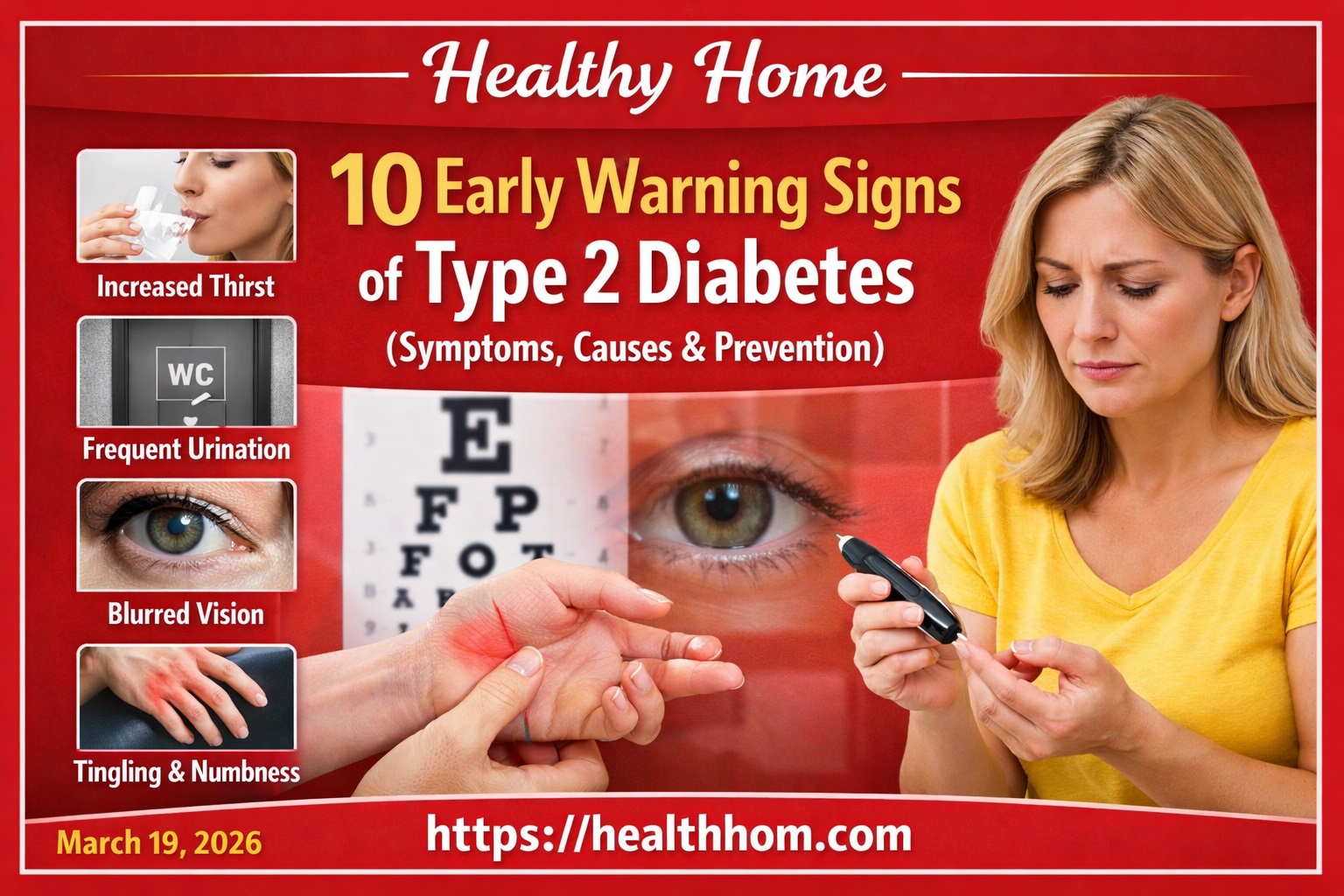
Discover 10 early warning signs of Type 2 diabetes, symptoms, risk factors and prevention tips backed by global health data.
Reviewed by Bibhu Ranjan Mund, MPH (Public Health Expert) with experience in maternal, infant, child, and adolescent health programs. Content is based on evidence-informed guidelines aligned with organizations such as the World Health Organization, UNICEF, Centers for Disease Control and Prevention, and National Institutes of Health.
Last reviewed on: 22 March 2026.
Medical Disclaimer: This content is for informational and educational purposes only and is not intended as medical advice, diagnosis, or treatment. Always seek the advice of a qualified healthcare professional regarding any medical condition or concerns.
Introduction
Type 2 diabetes is one of the fastest-growing health conditions worldwide, often developing silently without noticeable symptoms. Early detection plays a crucial role in preventing serious complications such as heart disease, kidney damage, and nerve problems.
It is estimated that there are approximately 589 million people in the world living with diabetes and over 40 percent of them do not even know it. The diagnosis of diabetes should be made as early as possible since most of the cases are diabetes type 2 and this is mostly avoidable or treated by changes in lifestyle and early treatment. Healthy living guide may be referred from our article.
Quick Summary:
- Frequent urination – Body removes excess sugar through urine
- Excessive thirst – Caused by dehydration
- Increased hunger – Cells unable to use glucose effectively
- Persistent fatigue – Low energy due to insulin resistance
- Blurred vision – High blood sugar affects the eye lens
- Slow wound healing – Reduced blood flow and immunity
- Tingling or numbness – Early nerve involvement
- Dark skin patches – Sign of insulin resistance
- Frequent infections – High blood sugar weakens immunity
- Unexplained weight changes – Body burns fat or stores excess glucose
What Are the Early Warning Signs of Type 2 Diabetes?
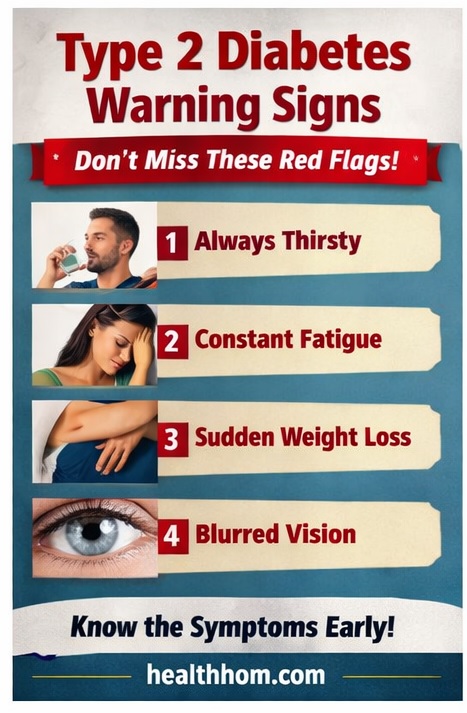
Early signs include frequent urination, excessive thirst, fatigue, blurred vision, slow wound healing, and tingling in hands or feet.
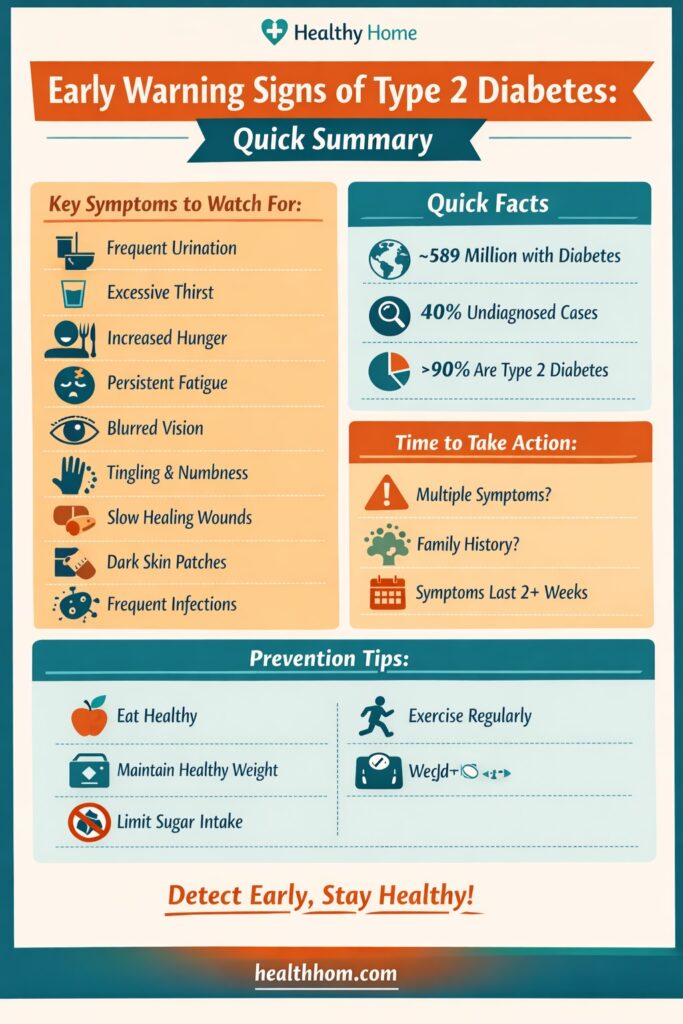
The guide includes the 10 early warning signs, risk factors, statistics and what you are to do in case you suspect the symptoms.
Global Diabetes Statistics
| Statistic | Value | Source | Year |
|---|---|---|---|
| Adults living with diabetes | ~589 million | International Diabetes Federation (IDF Diabetes Atlas, 11th Edition) | 2023 |
| Undiagnosed cases | ~252 million | International Diabetes Federation | 2023 |
| Projected cases by 2050 | ~853 million | International Diabetes Federation | 2023 |
| Share of type 2 diabetes | >90% | World Health Organization | 2023 |
These statistics highlight why early detection is critical.
Healthy Home has a schedule of periodically reporting public health and nutrition information that is based on global studies and evidence-based guidelines.
What Is Type 2 Diabetes?
Type 2 Diabetes is a condition that arises when the body becomes insulin-resistant or not able to produce the required insulin to control the blood sugar level. Blood glucose, in the long run, destroys blood vessels and organs.
The disorder usually progresses at a gradual pace and that is why there are many individuals who have the condition but it goes unnoticed after several years.
You can also explore our detailed guide on healthy lifestyle habits that reduce chronic disease risk to understand how diet, sleep, and exercise support long-term metabolic health.
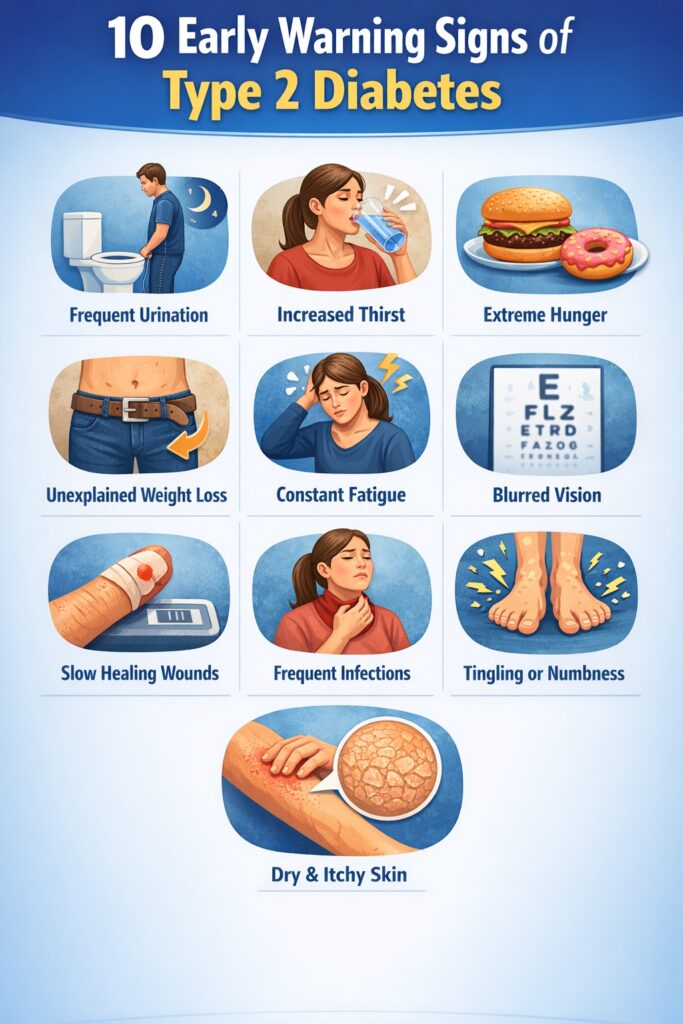
10 Early Warning Signs of Type 2 Diabetes
The following are the most prevalent symptoms that experts should not overlook.
1. Frequent urination
Among the initial symptoms is that of frequent urination particularly at night.
Rise in blood sugar level means that the kidneys toil more to get rid of excessive glucose. This causes an augmentation in the urine production.
Common signs include:
- Rising at night each time to pass urine.
- Increased day time urination.
- Aspects of abrupt change in bathroom habits.
This is a side effect that is common prior to diagnosis.
2. Increased Thirst
When you are always thirsty, it is possible that it can be a warning.
The constant urination will result in dehydration, which would result in unquenchable thirst.
People often experience:
- Dry mouth
- Drinking water frequently
- Dehydration.
According to the Centers for Disease Control and Prevention, early symptoms such as frequent urination and excessive thirst are often overlooked.
3. Increased hunger.
In case cells are not able to utilize glucose,the body signals increased hunger
Common experiences:
- Experience of food shortness
- Increased appetite
- Development of craving of carbohydrate or sugary foods.
This is due to the fact that body is not using energy efficiently.
4. Unexplained Weight Loss
Even when one is eating normally she or may experience unexpected weight loss.
Why it happens:
- The body initiates the breaking of fat and muscle to generate energy.
- The inability of insulin to utilize glucose is insulin resistance.
In case weight is lost without altering diets, then it must be checked.
5. Persistent Fatigue
Another symptom that most individuals disregard in the initial stages is fatigue.
The presence of high levels of sugar in the blood makes cells unable to get the energy input effectively.
Common symptoms:
- Constant tiredness
- Difficulty concentrating
- Reduced energy throughout the day.
Comparison of early symptoms and possible diabetes sign
| Early Symptom | Normal Condition | Possible Diabetes Sign |
|---|---|---|
| Thirst | Occasional | Persistent & extreme |
| Urination | Normal | Frequent, especially at night |
| Fatigue | After work | Constant tiredness |
6. Blurred Vision
Eyes can be affected by high sugar level in the blood.
The surplus glucose leads to fluid movements which have short-term impacts on vision.
Possible symptoms:
- Difficulty focusing
- Blurry reading vision
- Frequent vision changes
Diabetes could cause severe eye conditions in case it is not treated.
7. Slow Healing of Wounds
Delayed recovery is a symptom which indicates that blood circulation and the immune system may be impaired.
Common observations:
- Cuts taking longer to heal
- Frequent infections
- The healing of skin wounds is slow.
This is because when the level of glucose is high, it damages blood vessels and lowers the ability of the immune system.
8. Frequent Infections
Repeated infections may be experienced in people who have early diabetes.
Examples include:
- Skin infections
- Gum infections
- Urinary tract infections
Higher blood sugar levels provide the bacteria with an environment in which it grows easily.
9. Hands and Feet Tingling or Numbness.
The symptom suggests a potential nerve damage (diabetic neuropathy).
Early signs include:
- Tingling sensation
- Burning feeling
- Numbness in feet or hands
Symptoms of the nerves tend to coexist progressively.
10. Dry or Itchy Skin
The presence of changes in skin is more often than the diagnosis of these changes.
Possible signs:
- Persistent itching
- Dry skin patches
- Skin discolouring around the neck/armpits.
These skin alterations may pose as signs of insulin resistance.
Poor sleep can worsen fatigue and metabolic imbalance. The sleep optimization guide for better energy describes how the process of sleep optimization can boost energy levels.
Symptom Summary Table
| Symptom | Medical Term | Why It Happens | Source | Year |
|---|---|---|---|---|
| Frequent urination | Polyuria | Kidneys remove excess glucose | Centers for Disease Control and Prevention | 2023 |
| Excessive thirst | Polydipsia | Fluid loss from urination | Centers for Disease Control and Prevention | 2023 |
| Increased hunger | Polyphagia | Cells not receiving glucose | National Institutes of Health | 2022 |
| Fatigue | — | Lack of cellular energy | National Institutes of Health | 2022 |
| Blurred vision | — | Fluid changes in eye lens | World Health Organization | 2023 |
| Slow healing | — | Poor circulation & immunity | Centers for Disease Control and Prevention | 2023 |
| Tingling/numbness | Neuropathy | Nerve damage | National Institutes of Health | 2022 |
| Dark skin patches | Acanthosis nigricans | Insulin resistance | National Institutes of Health | 2022 |
| Frequent infections | — | High glucose weakens immunity | World Health Organization | 2023 |
Major Risk Factors for Type 2 Diabetes
| Risk Factor | Impact | Source | Year |
|---|---|---|---|
| Obesity | Strongest modifiable risk factor | World Health Organization | 2023 |
| Family history | Increases genetic susceptibility | Centers for Disease Control and Prevention | 2023 |
| Age above 45 | Higher incidence with age | Centers for Disease Control and Prevention | 2023 |
| Sedentary lifestyle | Promotes insulin resistance | World Health Organization | 2023 |
| Unhealthy diet | Increases blood sugar levels | National Institutes of Health | 2022 |
An effective daily meal schedule, which is properly balanced, may allow keeping the level of sugar constant and maintaining good health.
Why Early Detection Matters
Serious complications can be prevented at the initial stages and include:
- Heart disease
- Kidney damage
- Vision loss
- Nerve damage
Studies indicate that there are numerous individuals who will learn about diabetes when they have developed complications.
Risk may be reduced greatly by early lifestyle changes.
When Should You Get Tested?
Doctors normally prescribe screening when:
- You are over 40 years old
- Your family history reveals diabetes.
- You are overweight
- The above were the symptoms you experience.
When to See a Doctor?
- Symptoms lasting >2 weeks
- Sudden weight loss
- Vision issues
Simple tests include:
- Fasting blood sugar test
- HbA1c test
- Glucose tolerance test
Prevention Strategies
Risk of blood sugar condition can be reduced with healthy lifestyle changes
Healthy Lifestyle Tips
- Maintain a balanced diet
- Exercise regularly
- Hold normal weight.
- Reduce sugar intake
- Manage stress
- Sleep properly
Adding such foods everyday may be beneficial as the anti-inflammatory foods may help for controlling blood sugar & may aid in the health of metabolic processes.
Minor modifications can help to control blood sugar.
| Food | Benefit |
|---|---|
| Whole grains | Slow glucose release |
| Leafy vegetables | High fiber |
| Nuts | Healthy fats |
| Fruits (low glycemic) | Vitamins and antioxidants |
| Legumes | Improve blood sugar control |
It is also postulated through research that consuming gut-friendliness foods that aid digestion can be beneficial in increasing metabolic equilibrium.
Proven Lifestyle Changes to Prevent Type 2 Diabetes
Research suggests that there is a significant decrease in the chances of developing insulin resistance symptoms with enhancement of lifestyle habit.
Key Habits
- Walking 30 minutes daily
- Reducing sugary beverages
- Increasing fiber intake
- Regular health checkups
In order to minimize the burden of diabetes in the world, prevention and early intervention are highlighted by public health experts.
Who Is Most at Risk Globally?
Low and middle-income countries have the highest number of diabetes cases and there might be a lack of access to healthcare and early screening.
Changing lifestyles and changing diets in urban areas are also leading causes of increased cases.
Our health calculators (BMI and nutrition tracking) may also be used to improve your knowledge about your own health indicators.

Frequently asked questions
Conclusion for Early Warning Signs of Type 2 Diabetes
Type 2 diabetes is often silent in the early stages, but the body may show early warning signs. The earlier diagnosis and treatment can be achieved by the identification of such symptoms as frequent urination, excessive thirst, fatigue and blurred vision.
Due to the growing rates of diabetes in the world, it is necessary that people are aware of it. When complications are avoided, through appropriate lifestyle changes, screening and early medical attention, many individuals would be able to remain healthy despite being affected by the disease.
If you notice any of these symptoms, consider getting tested early. Small lifestyle changes today can help reduce long-term health risks.
Related Health Articles from Healthy Home:
- 8 Best Fermented Food for Gut Health in Adolescents (Science-Based Guide 2026) – Healthy Home – Science-Based Family Health Tips for Kids, Teens & Parents August 1, 2025 March 14th, 2026 Bibhu Ranjan Mund, MPH (healthhom.com)
- Obesity Prevention: 20 Evidence-Based Lifestyle Habits That Work (2026 Guide) – Healthy Home – Science-Based Family Health Tips for Kids, Teens & Parents November 27, 2025 March 14th, 2026 Bibhu Ranjan Mund, MPH (healthhom.com)
- How to know your Cholesterol level, BMI & BMR? – Healthy Home – Science-Based Family Health Tips for Kids, Teens & Parents November 3, 2025 March 15th, 2026 Bibhu Ranjan Mund, MPH (healthhom.com)
- Hydration Routine by Climate & Activity (2026 Guide to Daily Water Intake) – Healthy Home – Science-Based Family Health Tips for Kids, Teens & Parents October 22, 2025 March 15th, 2026 Bibhu Ranjan Mund, MPH (healthhom.com)
Trusted References and Research Sources:
- Learn more about Mayo Clinic’s detailed guide on type 2 diabetes symptoms and causes –Mayo Clinic
- A comprehensive overview of early Signs and Symptoms of Type 2 Diabetes (healthline.com)
- Explore –Type 2 Diabetes: Symptoms, Causes, Diagnosis, and Treatment (webmd.com)
- Read more about early warning signs of Diabetes Symptoms : Know When to Take Action
- Understand the Dehydration – Signs, Symptoms, Causes, and Prevention (webmd.com)
- A detailed explanation of –What is Diabetes? Types, Symptoms, and Causes – Harvard Health
- Global insights on Diabetes from the(who.int)
- Research on Early detection of type 2 diabetes risk: limitations of current diagnostic criteria – PMC (nih.gov)
Building consistent habits is one of the best ways to prevent chronic diseases naturally and improve long-term health outcomes.
If you found this helpful, explore our complete Healthy Living Guide for more science-based wellness tips.
For more detail, please visit to my website as mentioned below:


About the Author – “Bibhu Ranjan Mund”, Master in Public Health (MPH) from IIHMR University, Jaipur (Rajasthan- IHMR-U/12/2021 -23/0015) has experience of 18 years in Public Health activities like maternal health, child health, adolescent health, nutrition and community wellness programs. Through “Healthy Home”, he shares evidence-based health and wellness guidance designed to support families in making informed lifestyle decisions. This content is for educational purposes only and does not replace professional medical advice. Connect LinkedIn – https://www.linkedin.com/in/bibhu-ranjan-mund-b72171358/