
Last Updated on June 13, 2026 by Bibhu Ranjan Mund, MPH
Discover 11 evidence-based preventive health care at home. Learn daily habits to boost immunity, improve wellness & prevent chronic disease naturally.
Reviewed by Bibhu Ranjan Mund, MPH (Public Health Expert) with experience in maternal, infant, child, and adolescent health programs. Content is based on evidence-informed guidelines aligned with organizations such as the World Health Organization, UNICEF, Centers for Disease Control and Prevention, and National Institutes of Health.
Medical Disclaimer: This content is for informational and educational purposes only and is not intended as medical advice, diagnosis, or treatment. Always seek the advice of a qualified healthcare professional regarding any medical condition or concerns.
Affiliate Disclosure: This article contains affiliate links. If you purchase through these links, we may earn a small commission at no extra cost to you.
Preventive health care at home focuses on simple daily habits that help reduce the risk of chronic disease and promote long-term wellness.
Introduction:
As per the research published by WHO (2023), it shows that through a simple daily habits 80% of heart disease, stroke and type-2 diabetes cases may be preventable.
Many families wait till the appearance of symptoms even knowing that the prevention is readily available at home.
The truth is that you are not needed to purchase costly treatment plan, supplements or any complicated daily routines to be healthy.
Just you have to follow the simple step from your get-up in the morning to sleep at night with consistency for a long-term healthy health.
Even by choosing the few daily consistent choices, the gap between chronic illness and lifelong wellness can be minimized.
In this article, you will find-out the 11 types of preventive health care at home which are very simple and may support your immunity development, healthy heart and also reduce the risk of diseases naturally.
The discussed habits takes less than 5 minutes daily, but its impact may be lifelong.
Quick fact: Just a 30 minutes of daily movement can significantly reduce the risk of mortality.
Quick Summary :
- Home-based preventive health care is linked with daily practices, which minimize the risk of disease.
- Long-term immunity is built by simple measures as hydration, balanced diet, exercise and sleep.
- Frequent home care (BP, sugar, weight) can be used to identify early warning signs.
- Coping with stress and social network are critical to brain and cardiovascular wellness.
- Prevention of illnesses is more about consistency rather than perfection.
- Lifestyle diseases such as diabetes and heart disease can be minimized with small improvements on daily basis.
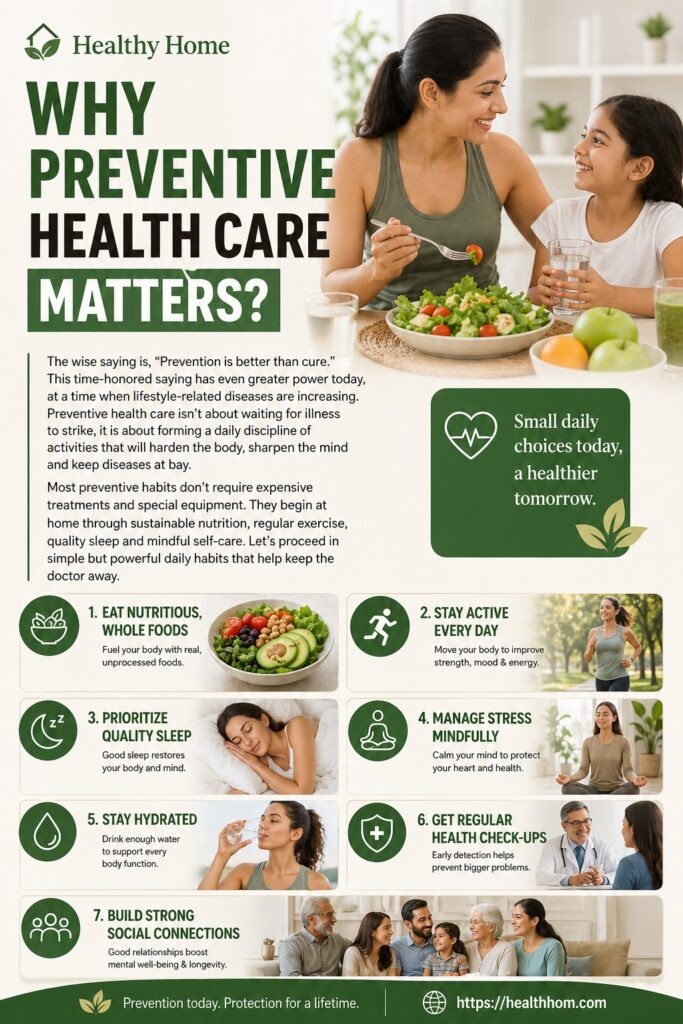
Why Preventive Health Care Matters?
The wise saying is, “Prevention is better than cure.” This saying has even greater power today, at a time when lifestyle-related diseases are increasing. Preventive health care isn’t about waiting for illness to attack, it is about forming a daily discipline of activities that will harden the body, sharpen the mind and keep diseases away.
Most preventive habits don’t require expensive treatments and special equipment. They begin at home through sustainable nutrition, regular exercise, quality sleep and mindful self-care. Let’s proceed in simple but powerful daily habits that help keep the doctor away.
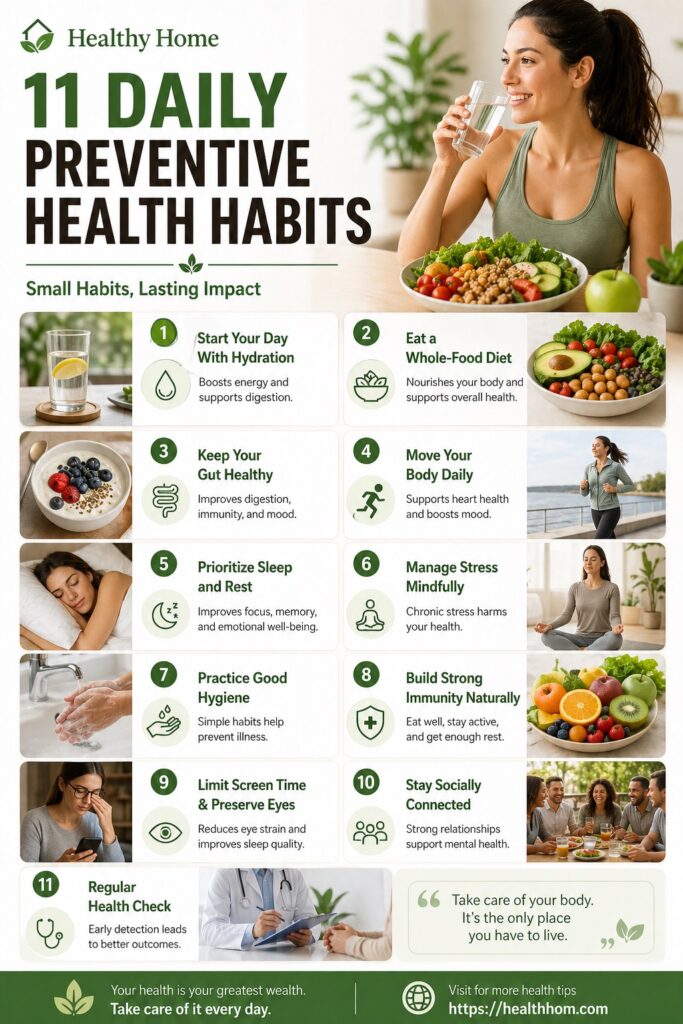
11 Daily Preventive Health Habits
1. Start Making Your Day With Hydration:
One of the easiest & underrated health practices is drinking water first in the morning.
- Why it’s helpful: Overnight, our body is expelling fluids. Rehydrating in the morning aids digestion and supports hydration and digestive function.
- How to do it: Take a glass of lukewarm water with some lemon for the additional benefit of vitamin C and detox. Herbal teas or infused water (mint, cucumber, ginger) aren’t bad either.
To personalize your water intake based on climate and activity level, follow this detailed hydration routine guide
2. Eat a Whole-Food Diet:
It is a Balanced Food for preventative health. Processed foods, refined sugars and snacks are resulting in a compromised system, whereas whole foods help to fuel the body with nutrients.
- Focus on: Fresh Fruits and vegetables for antioxidants. Many types of grains like oats, quinoa, brown rice etc. Lean proteins (fish and legumes, nuts). Healthy fats (Olive oil, flaxseeds, walnuts).
- Why it matters: A nutritious diet lowers the risk for obesity, diabetes, heart disease.
1/2–vegetables, 1/4-protein & rest 1/4-whole grains may be the policy.
Including anti-inflammatory foods in your daily meals can significantly reduce chronic disease risk, explore the best options to include daily.
3. Keep Your Gut Healthy:
A healthy gut is important for of wellness. A large portion of immune activity is associated with gut-associated lymphoid tissue.
- Daily habits: Include fermented foods such as yogurt, kefir, sauerkraut and kimchi. Eat the foods high in fiber (beans, whole grain, leafy greens). Limit antibiotics and gestation practices (processed food).
- Why it helps: A balanced gut microbiome promotes immunity, better digestive issues, helps to reduce inflammation as well as supports mental health.
Fermented foods play a key role in maintaining a healthy gut microbiome, discover the best options to include in your diet.
4. Move Your Body Daily:
- Sedentary lifestyles are among the greatest threats to modern health. Physical activity is both movement and medicine.
- Best daily practices: 30 minutes of walking, cycling or yoga. Household chores where you are up and moving around (gardening, cleaning, cooking). Stretching or some desk exercises if you work for long hours sitting.
- Benefits: Exercise on a regular basis helps to lower blood pressure, maintain weight, relieve stress, strengthen bones and Improve heart health.
- Small step . Take the stairs instead of the elevator, it adds up.
Even simple activities like walking can deliver powerful health benefits, explore the science-backed advantages of morning walks.
5. Prioritize Sleep and Rest:
It is the body’s natural healing system. Limiting it results in a weak immunity, slow metabolism and increased stress.
- Sleep hygiene tips: Stick to a regular bedtime. Keep your room cool, dark and quiet. No screens an hour before bed. Please try some relaxing techniques viz. reading, journaling, meditation etc.
- Why it’s important: 7–8 hours of quality sleep is an energy restorer, tissue repairs itself, relieves hormones and maintains a sharp mind.
Discover more about Sleep hyegiene: Sleep Music & Sound Therapeutic best intervention
6. Manage Stress Mindfully Chronic stress:
Chronic Stress may be a silent killer because it increases inflammation, blood pressure and lowers immunity.
- Daily calming habits 5–10 minute Meditation or Deep Breathing, Gratitude journaling. Listening to relaxing music or going into nature.
- Why it works: Mindfulness practices reset the nervous system, work to reduce levels of anxiety and improve overall emotional resilience.
Simple mindfulness exercises can help to reduce stress and improve emotional well-being, try these quick daily practices.
7. Practice Good Hygiene Preventive care:
It also depends on daily hygiene practices which can be able to minimize the infection: Some are as follows:
- Wash hands before eating and after toilet.
- Keep nails trimmed and clean.
- Practicing the regular washing of bed linens and used towels
- Practice oral hygiene viz. brushing twice, daily flossing and rinsing after eating.
Why it helps: Good hygiene is a way to prevent bacteria and viral infections and protect the whole family.
8. Build Strong Immunity Naturally:
Instead of waiting out seasonal instances of colds or flu, boost your immune defenses on a daily basis.
- Habits that boost immunity: Eat vitamin C rich (citrus, kiwi, bell peppers etc.) Get vitamin D from the sun (10–15 minutes/day).
- Include zinc and selenium (nuts, seeds, pumpkin seeds)
- Stay hydrated in order to aid lymph function.
Herbs such as turmeric, ginger, garlic and tulsi are natural immunity booster.
Balanced hormones play a vital role in immunity and overall health, explore this complete hormone balance diet guide for women.
9. Limit Screen Time & Preserve Eyes:
Digital lifestyles bring eye strain, trouble sleeping and mental fatigue with them.
- Daily strategies-Follow the 20-20-20 rule (look at something 20 feet away for 20 seconds every 20 minutes)
- Minimize blue light exposure at bedtime.
- Practice digital detox hours , especially for kids & teens.
Why it’s important: Shield your eyes and mind against too many screens to limit headaches, stress and to better focus.
Excessive screen time can impact both physical and mental health, understand the growing impact of Social Media Addiction Statistics
10. Stay Socially Connected:
Emotional well-bring is also a preventive care topic. Isolation may leads to increase the risks of depression, dementia and heart disease.
- Daily practice: Share meals with family.
- Call a friend, join community and or hobby groups.
Why it helps: Positive connections reduce stress for happiness and keep the brain sharp.
11. Regular Health Check:
Please don’t always wait to know any health status at doctor’s clinic. There are some checks that can be performed at the home level:
- Monitoring blood pressure with device at home
- Check blood sugar if you’re at risk
- Keep track of one’s weight and waistline.
- Note any change: Self examine skin for unusual changes.
Why it helps: Early detection helps you to check small issues becoming a chronic disease.
Discover more details about Salt and Sugar : 5 Benefits of Reducing Salt and Sugar Intake
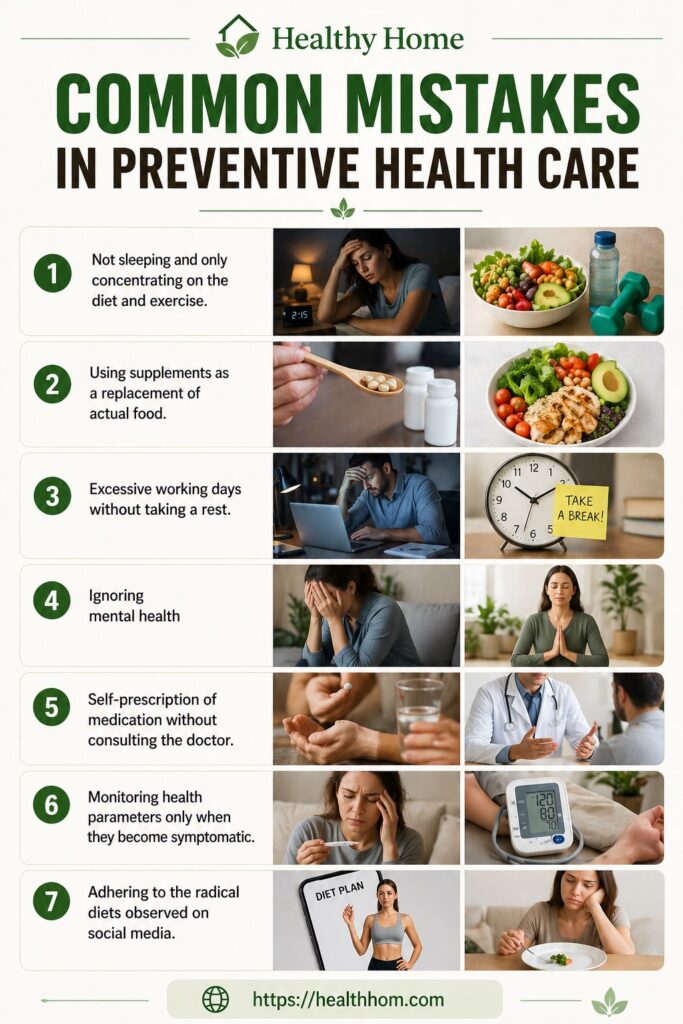
Common Mistakes in Preventive Health Care
- Not sleeping and only concentrating on the diet and exercise.
- Using supplements as a replacement of actual food.
- Excessive working days without taking a rest.
- Ignoring mental health
- Self-prescription of medication without consulting the doctor.
- Monitoring health parameters only when they become symptomatic.
- Adhering to the radical diets observed on social media.
Who Should Be Careful?
- Individuals diagnosed with diabetes, high blood pressure or heart disease.
- Pregnant women
- Elderly adults (65+)
- Patients having autoimmune diseases.
- The individuals who are under long-term medications.
- Individuals that have family history of chronic diseases.
Before adopting significant changes in diet or exercise, these groups are supposed to seek care with a healthcare professional.

When to See a Doctor
Home-based preventive care does not substitute the check-up in the medical facility. Consultation required in case of:
- Continuous high blood pressure (more than 140/90mmHg)
- Weight loss or increase
- Several times, tiredness or shortness of breath.
- Chest pain or palpitations
- Persistently elevated blood sugar readings.
- Severe sleep disturbances
- Symptoms of depression or anxiety that have been experienced over more than 2 weeks.
- Abnormal changes or swellings on the skin.
Preventive Health Care at Home – Data Table
| Preventive Habit | Recommended Action | Time Required | Main Health Benefit |
|---|---|---|---|
| Morning Hydration | 1 glass lukewarm water | 5 mins | Supports digestion & metabolism |
| Balanced Diet | ½ vegetables, ¼ protein, ¼ whole grains | Daily | Reduces obesity & diabetes risk |
| Physical Activity | 30 mins walking/yoga | 30 mins | Improves heart & bone health |
| Sleep | 7–8 hours nightly | Nightly | Hormone balance & immunity |
| Stress Management | Meditation / deep breathing | 5–10 mins | Lowers blood pressure |
| Hygiene | Handwashing & oral care | Daily | Prevents infections |
| Immunity Support | Vitamin C, D, zinc rich foods | Daily | Enhances immune response |
| Screen Control | 20-20-20 rule | Work hours | Reduces eye strain |
| Social Connection | Call/meet family & friends | Daily | Supports mental health |
| Home Monitoring | Check BP, weight monthly | Monthly | Early disease detection |
Comparison Table: Preventive vs Reactive Health Care
| Aspect | Preventive Health Care | Reactive Health Care |
|---|---|---|
| Focus | Disease prevention | Disease treatment |
| Cost | Low (daily habits) | High (medication, hospital) |
| Approach | Lifestyle-based | Medicine-based |
| Timing | Before illness | After illness |
| Outcome | Long-term wellness | Symptom control |
| Risk Reduction | Reduces chronic disease risk | Manages existing disease |
Preventative Health Care: What the Data Tells:
The effectiveness of preventive health practices is highly scientifically proven. Based on world wide data on public health:
- According to the World Health Organization (WHO), up to 80% of premature heart disease and stroke cases are preventable through lifestyle modification.
- Moderate exercise (at least 30 minutes every day) may decrease the leading-cause mortality risks, as well as decrease the risk of cardiovascular disease, diabetes, and some types of cancers.
- Global health reports estimate that approximately one in three adults lives with at least one lifestyle-related chronic condition such as hypertension, diabetes, or obesity.
- Millions of preventable deaths are estimated to happen in the world annually due to physical inactivity alone.
- Sleeping (7-8 hours) is also linked to better immune system and reduced chances of metabolic illnesses.
Statistics Table
| Health Statistic | Key Finding | Source Type |
|---|---|---|
| Heart Disease Prevention | Public health estimates suggest up to 80% may be preventable with lifestyle changes | Global public health reports |
| Daily Exercise | 30 mins/day reduces mortality risk | Epidemiological studies |
| Lifestyle Diseases | 1 in 3 adults affected globally | NCD surveillance data |
| Physical Inactivity | Major contributor to premature deaths | WHO global estimates |
| Adequate Sleep | 7–8 hours linked to stronger immunity | Sleep research studies |

Concluding Points:
Most of people may know the symptoms of chronic diseases, but overlook it. Actually, it doesn’t appear overnight and by doing small daily neglects it grows silently inside the body.
But the true fact is that:
As per the research of WHO 2023 (Global NCD reports), it shows that simple daily lifestyle habits like movement, quality sleep, balanced nutrition may be able to prevent some lifestyle diseases.
Which clearly indicates that daily consistent routine is more powerful than your present thinking.
No need to change the whole lifestyle at once, but just start with only one habit today like drink sufficient water, have a walk for at-least 20 minutes and sleep 30 minutes earlier etc.
Because your health shouldn’t be kept healthy at hospital, but daily small good choices may be able to build at home.
The important thing is that, today’s every small step may lead to a healthier tomorrow.
Preventive health habits should begin early in life, explore this comprehensive guide to child health and development.
Explore more evidence-based wellness guides at Healthy Home.
Related Health Articles from Healthy Home:
- Sleep Music & Sound Therapeutic best intervention
- Safety security of Adolescents from violence & injuries
- 5 Benefits of Reducing Salt and Sugar Intake
- Precious Infancy to Toddler: A Baby’s First Two Years
- Pre pregnancy planning for female : first step to be mother
Trusted References and Research Sources:
- Harvard Pilgrim Health Care – Preventive Care Guidelines and Wellness Strategies
- World Health Organization (WHO) – Noncommunicable Diseases (NCD) Prevention Factsheet
- NCBI Bookshelf – Patient Safety and Quality in Home Health Care
- Preventive Healthcare – Background and Public Health Concepts (Wikipedia)
FAQs:
Q1. What is home based preventive health care?
Preventive health care at home is aimed at the adoption of healthy habits which contribute to prevent illness before it attacks. These involve very high standards of hygiene, health-promoting diets, physical exercise, and screening of basic health indicators.
Q2. What are some simple preventive health tips that I may comply with every day?
Ans. Keep hydrated, consume fresh fruit and vegetables, practice hygiene, exercise 30 minutes daily, sleep well and cope with the stress. These are just but simple measures of good preventive care.
Q3. What is the role of home based exercise in disease prevention?
Ans. Exercise improves the circulation of the blood, strengthens the heart, and keeps the weight normal. Routine domestic workouts such as yoga, stretching or fast walking are good in preventing diseases.
Q4. What are the preventive measures should be included for hygiene at home?
Wash your hands frequently, keep the places clean, disinfect the frequently touched surfaces and sanitize your kitchen and bathroom. The air, its cleanliness and proper ventilation are also important.
Q5. What are the ways of monitoring my health at home?
Ans. Home monitoring devices can help you to regularly check your blood pressure, blood sugar, body weight and BMI. This is to help in the early detection of any abnormal changes so as to consult a doctor at the right time.
Q6. What is the frequency of observing preventive health checkups?
Ans Even when you believe you are healthy, it is advisable to have a general health checkup after every year. Routine examinations are useful in the early diagnosis and prevention of severe illnesses.
Q7. What is the significance of sleep to good health?
Sleep enables the body to rest, heal body tissues and enhance immunity. To balance their physical and mental selves, adults need to get 7-8 hours of constant sleep every day.


About the Author – “Bibhu Ranjan Mund”, Master in Public Health (MPH) from IIHMR University, Jaipur (Rajasthan) has more than 18 years of experience in Public Health activities in maternal health, child health, adolescent health, nutrition and community wellness programs under National Health Mission, Health & Family Welfare Department, Odisha. He is the founder of “Healthy Home” and translates the evidence based public health information into a practical source so that families may able to apply in everyday life. All the information are for educational purposes only and not replaces the professional medical advice. ORCID Researcher ID – 0009-0003-0158-4992. Connect LinkedIn – https://www.linkedin.com/in/bibhu-ranjan-mund-b72171358/