Last Updated on March 22, 2026 by Bibhu Ranjan Mund, MPH
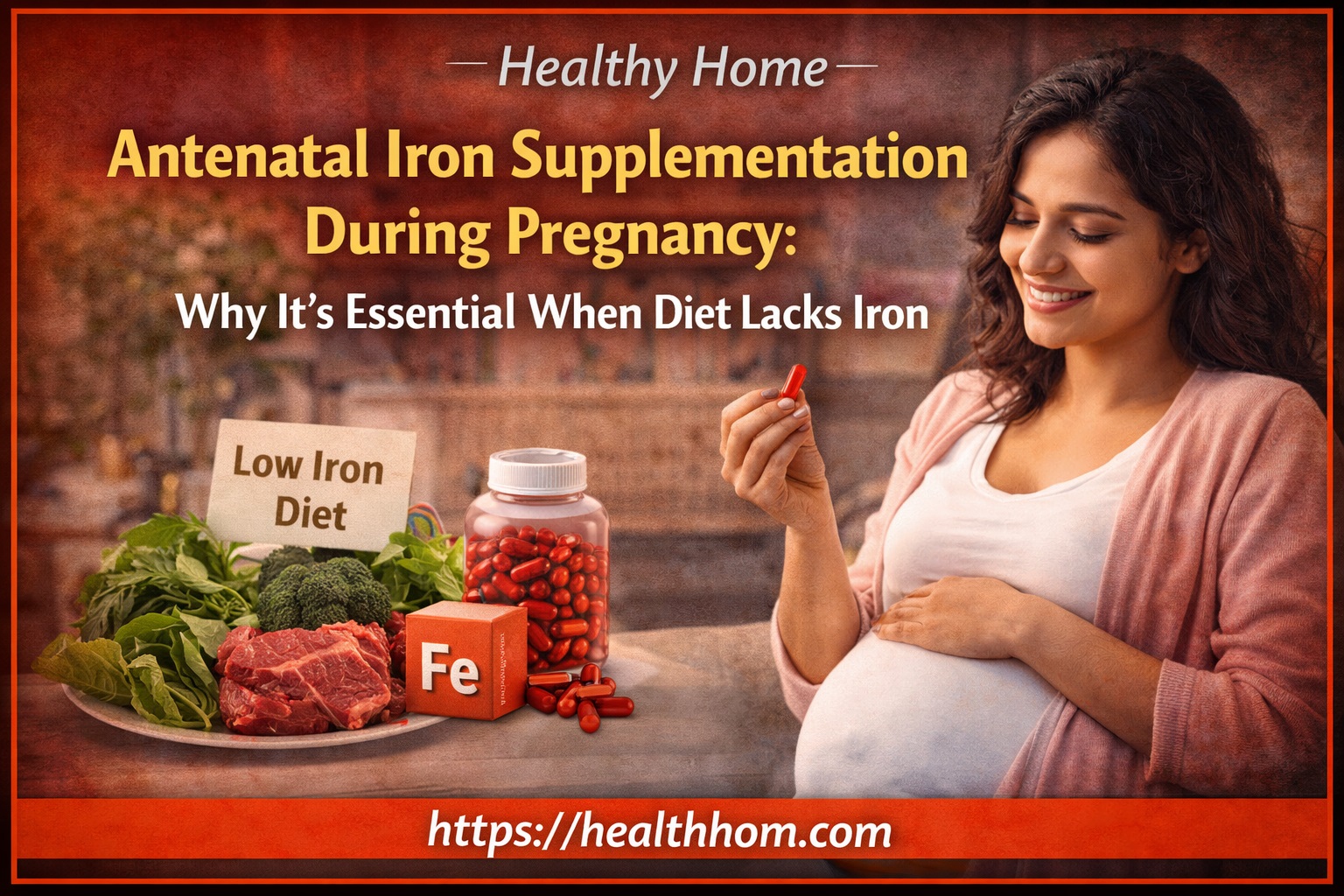
Antenatal Iron supplementation: During the third trimester, a pregnant woman may lack iron and Iron deficiency during pregnancy may be associated with adverse neuro-developmental outcomes in children, especially when untreated.
Reviewed by Bibhu Ranjan Mund, MPH (Public Health Expert) with experience in maternal, infant, child, and adolescent health programs. Content is based on evidence-informed guidelines aligned with organizations such as the World Health Organization, UNICEF, Centers for Disease Control and Prevention, and National Institutes of Health.
Last reviewed on: 22 March 2026.
Medical Disclaimer: This content is for informational and educational purposes only and is not intended as medical advice, diagnosis, or treatment. Always seek the advice of a qualified healthcare professional regarding any medical condition or concerns.
Affiliate Disclosure: This article contains affiliate links. If you purchase through these links, we may earn a small commission at no extra cost to you.
Introduction:
Iron is an essential micro-nutrient that is needed during pregnancy because it aids the increased volume of blood in the mother and also the rapid development of the fetus. Since dietary absorption may be inadequate, antenatal iron supplementation is important in the prevention of iron deficiency anemia and maternal and fetal complications.
Mental Development of child mainly depends upon the Iron supplementation during pregnancy of Pregnant Mother & it helps to increase the mental growth.
Global Burden of Iron Deficiency in Pregnancy
| Indicator | Estimated Global Data |
|---|---|
| Prevalence of anemia in pregnancy | ~36–40% globally |
| Most common cause of anemia | Iron deficiency |
| Increased blood volume in pregnancy | ~40–50% |
| Recommended daily iron intake | 27 mg/day |
| Risk reduction with supplementation | ↓ maternal anemia & low birth weight |
Diagnosing and treatment of Antenatal Iron Supplementation
As an essential trace element in the human body iron functions as the main substance in red blood cell proteins known as hemoglobin to transport oxygen through the bloodstream.
A woman’s blood volume expands by approximately 50 percent across pregnancy as the body tries to accommodate the baby and gives rise to a higher demand of iron. Iron deficiency anemia can add some serious health implications to mother and baby, An iron deficient diet can cause it.
Symptoms Severity Table (Mild to Severe)
| Stage | Hemoglobin Level | Symptoms |
|---|---|---|
| Mild | 10–10.9 g/dL | Fatigue |
| Moderate | 7–9.9 g/dL | Weakness, dizziness |
| Severe | <7 g/dL | Palpitations, breathlessness |
Pregnancy Iron Deficiency complications:
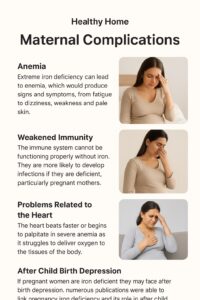
Maternal Complications:
- Anemia: Extreme iron deficiency can lead to anemia, which would produce signs and symptoms, from fatigue to dizziness, weakness and pale skin.
- Weakened Immunity: The immune system cannot be functioning properly without iron. They are more likely to develop infections if they are deficient, particularly pregnant mothers.
- Problems Related to the Heart: The heart beats faster or begins to palpitate in severe anemia as it struggles to deliver oxygen to the tissues of the body.
- After Child Birth Depression: If pregnant women are iron deficient they may face after birth depression, numerous publications were able to link pregnancy iron deficiency and its role in after child birth depression.
Fetal Complications
- Preterm Birth: The low amounts of iron may also cause preterm birth that puts the child at risk of early birth.
- Infants born with low birth weight result from iron deficiency in mothers that restricts their fetal size during pregnancy.
- Developmental Delays: Iron plays a vital part in the developing of the brain. In offspring, maternal deficiency during pregnancy has been associated with poor cognitive and behavioral outcomes.
- Stillbirth: Severe anemia (in particular during pregnancy) can increase the risk of stillbirth in the extreme case.
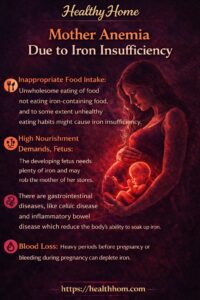
Mother anemia due to iron insufficiency
- Inappropriate Food Intake: Unwholesome eating of food not eating iron-containing food, and to some extent unhealthy eating habits might cause iron insufficiency.
- High Nourishment Demands, Fetus: The developing fetus needs plenty of iron and may rob the mother of her stores.
- There are gastrointestinal diseases, like celiac disease and inflammatory bowel disease which reduce the body’s ability to soak up iron.
- Blood loss: Heavy periods before pregnancy or bleeding during pregnancy can deplete iron.
Comparison Table: Iron From Diet vs Supplementation
| Factor | Dietary Iron | Iron Supplements |
|---|---|---|
| Absorption Rate | Moderate (heme > non-heme) | Higher (especially ferrous salts) |
| Control Over Dose | Variable | Fixed & measurable |
| Used For | Prevention | Treatment of anemia |
| Side Effects | Minimal | Constipation, nausea |
| Best For | Mild deficiency | Moderate–severe anemia |
Prevention & Management
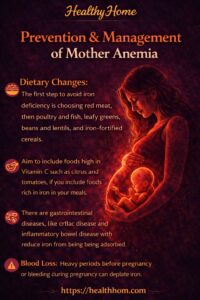
Dietary Changes:
- The first step to avoid iron deficiency is choosing red meat, then poultry and fish, leafy greens, beans and lentils and iron-fortified cereals.
- Aim to include foods high in Vitamin C such as citrus and tomatoes, if you include foods rich in iron in your meals.
- We should not serve iron-rich meals together with calcium-rich food or drinks, as calcium stops iron from being absorbed.
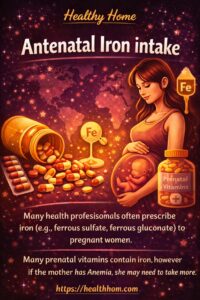
Antenatal iron intake:
- Many health professionals often prescribe iron (e.g., ferrous sulfate, ferrous gluconate) to pregnant women.
- Many prenatal vitamins contain iron, however if the mother has Anemia, she may need to take more.
Trimester-wise Iron Requirement Table
| Trimester | Iron Demand | Reason |
|---|---|---|
| 1st | Moderate | Early placental development |
| 2nd | Increasing | Rapid fetal growth |
| 3rd | Highest | Peak blood expansion & fetal iron storage |
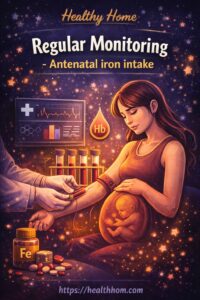
Regular Monitoring:
- Physicians may find and manage iron deficiency early by testing a patient’s blood for hemoglobin levels.
- Providers have the ability to make proper dosages changes based on the observed outcomes of treatment.
Getting to the main cause.
- Muscle problems can develop if your body doesn’t gain as much iron from your diet, so these problems should be treated.
- When a person has advanced anemia, experts may advise giving them injections of iron and blood transfusions.
Maternal vs Fetal Complications Table
| Maternal Complications | Fetal Complications |
|---|---|
| Anemia | Preterm birth |
| Fatigue & weakness | Low birth weight |
| Infections | Developmental delays |
| Postpartum depression | Poor iron stores at birth |
| Cardiac strain (severe cases) | Stillbirth (severe anemia) |
Iron-Rich Food Sources Table
| Food Source | Iron (mg per serving) | Type (Heme/Non-Heme) |
|---|---|---|
| Red meat | 2.5–3 mg | Heme |
| Spinach (cooked) | 3–4 mg | Non-heme |
| Lentils | 3 mg | Non-heme |
| Fortified cereals | 4–18 mg | Fortified |
| Chicken | 1 mg | Heme |
Iron Absorption Enhancers vs Inhibitors Table
| Enhances Absorption | Reduces Absorption |
|---|---|
| Vitamin C foods | Tea & coffee |
| Citrus fruits | Calcium |
| Tomatoes | Phytates (whole grains) |
| Fermented foods | Antacids |
Key Evidence Statistics
- Iron deficit increases risk of low birth weight by approximately 29 per cent.
- Iron supplementation of mothers daily decreases maternal anemia by approximately 70 percent.
- The WHO suggests 30-60mg of elemental iron per day during pregnancy.
Conclusion
Pregnancy constitutes iron deficiency that is preventable. Proper diet, prompt folic acid intake where necessary and routine antenatal appointments can greatly make things safe both to the mother and the baby as well.
During pregnancy, pregnant women are advised to collaborate with medical practitioners in order to have the best iron status.
FAQs:
Q1. What role does iron play for pregnant women?
Ans. The pregnancy requires iron to generate additional blood supply for both the developing baby and the mother. The nutrient helps transfer oxygen throughout the body while maintaining steady energy levels and functions to reduce anemia risk and other medical problems & Iron deficiency anemia in pregnancy.
Q2. Women facing pregnancy need to know about the potential dangers that result from having insufficient iron amounts during their maternity period.
Ans. The development of a baby’s brain and body faces impediments while premature birth and maternal anemia and low birth weight become more likely when women suffer from iron deficiency.
Q3. Pregnant women usually display these signs when they lack iron in their system:
Ans. The symptoms of iron deficiency in pregnant women may manifest through intense fatigue combined with paleness of the skin and breathing difficulties and dizziness as well as rapid heart rate and difficulty concentrating.
Q4. Pregnant women should follow natural methods to receive adequate iron into their bodies.
Ans. One way for pregnant women to get more iron is to eat lean red meat, spinach, legumes, fortified cereals and dried fruits. If healthy pregnant women eat iron-rich foods and oranges or tomatoes, the vitamin C makes it easier for their bodies to absorb the iron.
Q5. What level of Antenatal Iron supplementation is necessary for a woman who is pregnant?
Ans. Prenatal iron supplements is necessary. According to WHO and other health authorities, the average recommended daily iron intake during pregnancy is around 27 mg, though individual needs vary and should be guided by a healthcare provider.
Q6. Do deficiencies in iron cause any problems in the baby’s postnatal health?
Ans. Women with iron shortages often give birth to babies whose iron reserves are very low and this may negatively affect their baby’s postnatal growth and health.
Q7. Pregnant women need to know whether they should take Iron supplementation during pregnancy.
Ans. A doctor should help pregnant women decide on iron supplements, as too much iron is dangerous for the baby and can upset the stomach.
Related Health Articles from Healthy Home:
- Healthy Lifestyle in Adolescents – Importance, Promotion & Long-Term Benefits
- Eco-Friendly Eating & Nutrition – How Sustainable Food Choices Improve Health and the Planet
- Millet Recipes for Better Health – Wholesome and Nutrient-Rich Meal Ideas
- Iron Supplementation – Essential Benefits and Dietary Tips for Preventing Deficiency
- Improve Lifespan Naturally – Proven Lifestyle and Nutrition Habits for Longevity
Trusted References and Research Sources:
- WHO Data Portal – Antenatal Iron Supplementation Overview
- How I Treat Anemia in Pregnancy: Iron, Cobalamin, and Folate – American Society of Hematology (Blood Journal)
For more detail, please visit to my website as mentioned below:


About the Author – “Bibhu Ranjan Mund”, Master in Public Health (MPH) from IIHMR University, Jaipur (Rajasthan- IHMR-U/12/2021 -23/0015) has experience of 18 years in Public Health activities like maternal health, child health, adolescent health, nutrition and community wellness programs. Through “Healthy Home”, he shares evidence-based health and wellness guidance designed to support families in making informed lifestyle decisions. This content is for educational purposes only and does not replace professional medical advice. Connect LinkedIn – https://www.linkedin.com/in/bibhu-ranjan-mund-b72171358/